
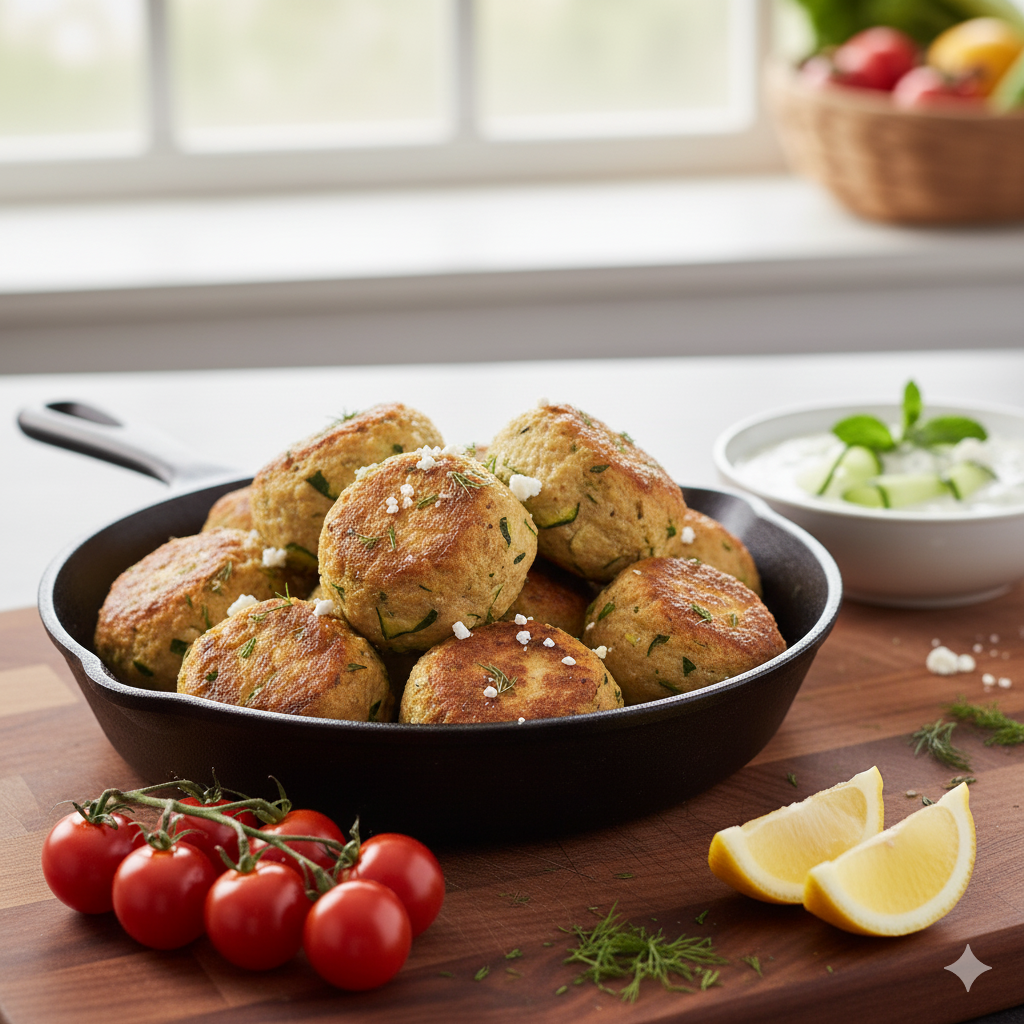
Turkey Zucchini Meatballs Recipe
| Ingredient | Amount | Notes |
|---|---|---|
| Ground turkey (93% lean) | 1 lb | Use fresh, not frozen |
| Medium zucchini, grated | 2 cups | Squeeze out excess moisture |
| Large egg | 1 | Room temperature preferred |
| Panko breadcrumbs | 1/2 cup | Can substitute with almond flour for low carb |
| Onion, finely minced | 1/4 cup | Yellow or white onion |
| Garlic cloves, minced | 3 cloves | Fresh garlic recommended |
| Fresh parsley, chopped | 2 tbsp | Or 1 tbsp dried parsley |
| Dried oregano | 1 tsp | Mediterranean oregano preferred |
| Salt | 1 tsp | Sea salt or kosher salt |
| Black pepper | 1/2 tsp | Freshly ground |
| Olive oil | 2 tbsp | Extra virgin for best flavor |
Cooking Instructions
- Prep Time: 15 minutes | Cook Time: 25 minutes | Total Time: 40 minutes
- Preheat oven to 400°F (200°C)
- Grate zucchini and squeeze out moisture using paper towels
- Mix all ingredients in a large bowl until just combined
- Form into 1.5-inch meatballs (about 20 meatballs)
- Bake for 20-25 minutes until internal temperature reaches 165°F
- Serves: 4-6 people | Calories per serving: ~180
When it comes to creating delicious, nutritious meals that satisfy the whole family, Turkey Zucchini Meatballs stand out as an exceptional choice that combines lean protein with hidden vegetables in every bite. These healthy turkey meatballs have revolutionized the way home cooks approach traditional comfort food, offering a lighter alternative without sacrificing flavor or satisfaction.
The beauty of zucchini turkey meatballs lies in their versatility and nutritional density. By incorporating finely grated zucchini into ground turkey, these meatballs become incredibly moist and tender while sneaking extra vegetables into your family’s diet. Whether you’re following a specific dietary plan or simply looking to create more wholesome meals, these Turkey Zucchini Meatballs deliver on every front.
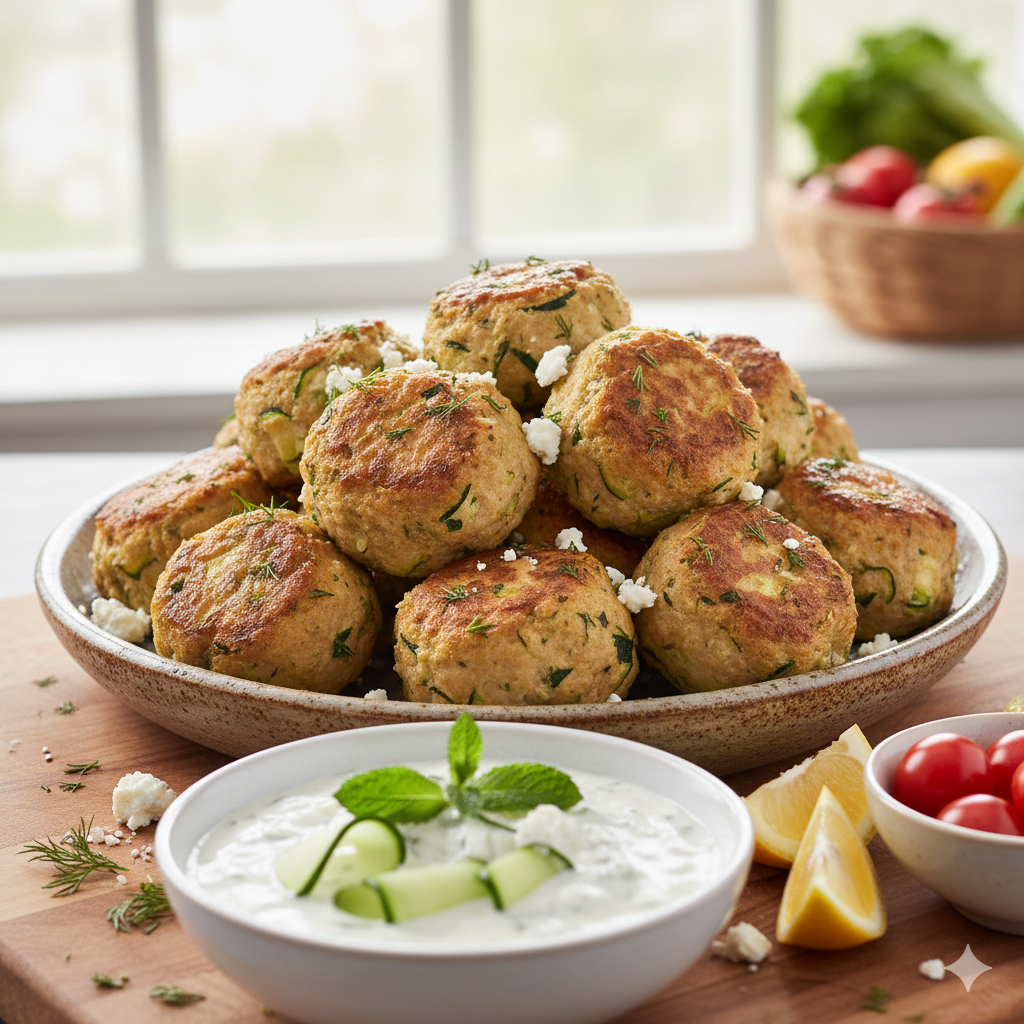
The Health Benefits of Turkey Zucchini Meatballs
Turkey Zucchini Meatballs offer numerous health advantages that make them a smart choice for conscious eaters. Ground turkey serves as an excellent source of lean protein, containing all essential amino acids necessary for muscle maintenance and growth. When combined with nutrient-rich zucchini, these healthy turkey meatballs provide a substantial dose of vitamins A and C, potassium, and dietary fiber.
The nutritional profile of zucchini turkey meatballs is particularly impressive for those monitoring their caloric intake. A typical serving contains approximately 180 calories while delivering 25 grams of high-quality protein. The addition of zucchini not only reduces the overall calorie density but also adds moisture and subtle flavor that enhances the eating experience.
For individuals following low carb turkey meatballs diets, these meatballs can be easily adapted by substituting traditional breadcrumbs with almond flour or simply omitting the binding agent altogether. The natural moisture from the zucchini helps maintain the meatballs’ structure while keeping carbohydrate content minimal.
Why Choose Baked Turkey Meatballs Over Fried Alternatives
Baked turkey meatballs offer significant advantages over their fried counterparts, both nutritionally and practically. Baking eliminates the need for additional cooking oils, reducing overall calorie and fat content while still achieving the desired texture and flavor. The oven’s consistent heat ensures even cooking throughout each meatball, reducing the risk of overcooking the exterior while leaving the interior undercooked.
The baking method for Turkey Zucchini Meatballs also allows for hands-off cooking, freeing you to prepare other components of your meal. Unlike pan-frying, which requires constant attention and turning, baked turkey meatballs cook evenly on all sides when placed on a properly prepared baking sheet. This method also produces less mess and eliminates the splattering associated with stovetop cooking.
From a health perspective, baked turkey meatballs retain more of their natural juices and nutrients compared to fried versions. The gentle, dry heat of the oven helps concentrate flavors while maintaining the tender texture that makes these turkey meatballs with zucchini so appealing to both adults and children.
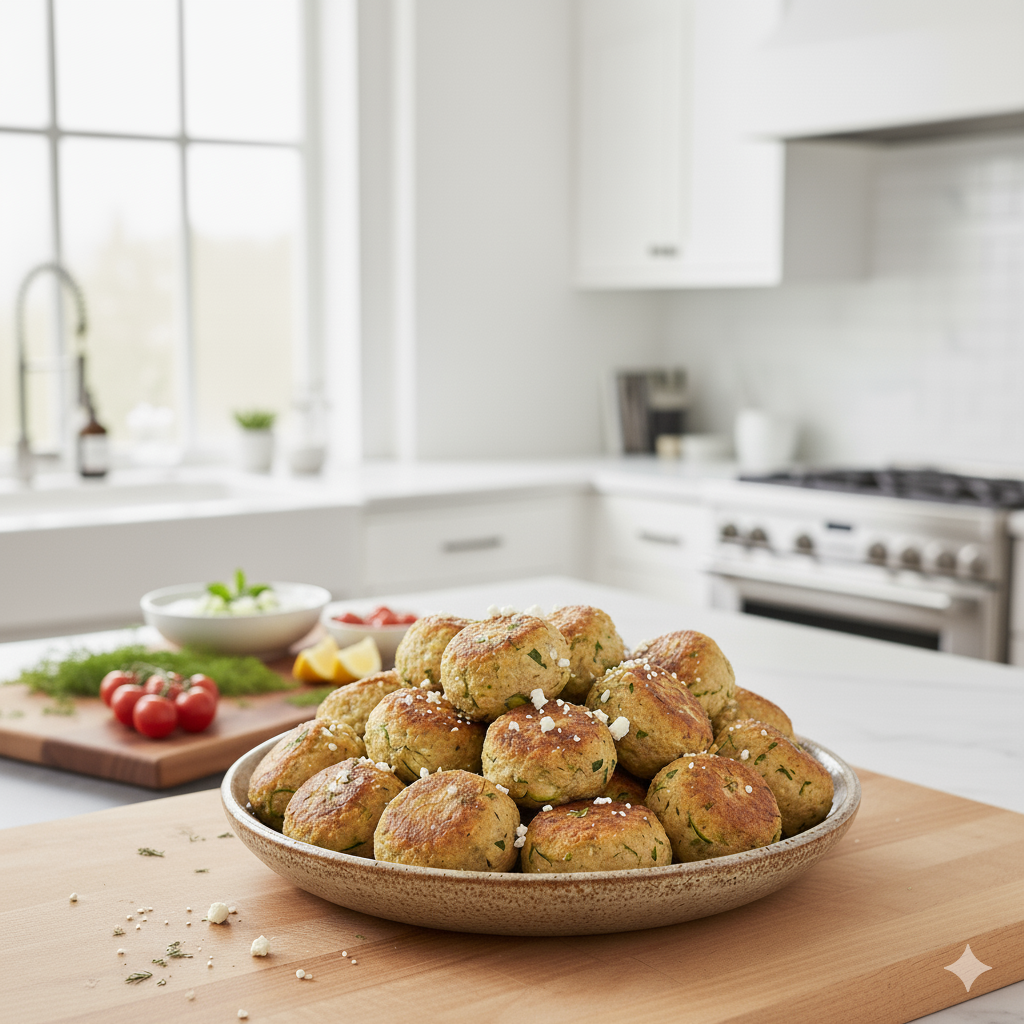
Perfecting the Art of Turkey Meatballs with Zucchini
Creating perfect turkey meatballs with zucchini requires attention to several key factors that can make or break your final result. The most critical step involves properly preparing the zucchini to prevent your meatballs from becoming waterlogged. Grating the zucchini finely and then squeezing out excess moisture using paper towels or a clean kitchen towel ensures that your Turkey Zucchini Meatballs maintain their shape during cooking.
The binding ingredients in healthy turkey meatballs serve multiple purposes beyond simply holding the mixture together. Eggs provide structure and richness, while breadcrumbs (or low-carb alternatives) absorb moisture and create the desired texture. The key is finding the right balance – too much binding agent will make your zucchini turkey meatballs dense and heavy, while too little will result in meatballs that fall apart during cooking.
Temperature control plays a crucial role in achieving optimal results with baked turkey meatballs. Preheating your oven to 400°F (200°C) provides the ideal environment for cooking these meatballs evenly while developing a lightly golden exterior. Using a meat thermometer to ensure an internal temperature of 165°F guarantees food safety while preventing overcooking that can result in dry, tough meatballs.
Ingredient Selection and Preparation Tips
The success of your Turkey Zucchini Meatballs largely depends on selecting high-quality ingredients and preparing them properly. When choosing ground turkey, opt for a blend that contains 93% lean meat with 7% fat. This ratio provides enough fat content to keep your healthy turkey meatballs moist and flavorful while maintaining their nutritional benefits.
Fresh zucchini should feel firm to the touch with smooth, unblemished skin. Medium-sized zucchini typically offer the best flavor and texture for zucchini turkey meatballs, as they’re less likely to be bitter or contain large seeds that could affect the final texture. When grating the zucchini, use the medium holes on a box grater to achieve pieces that will integrate well into the meat mixture without overwhelming the other flavors.
The aromatics in turkey meatballs with zucchini – onions, garlic, and herbs – should be prepared with care to ensure they distribute evenly throughout the mixture. Mincing onions finely prevents large chunks that could cause the meatballs to break apart, while freshly minced garlic provides more robust flavor than pre-minced alternatives. Fresh herbs like parsley and oregano elevate the overall taste profile of these low carb turkey meatballs significantly more than dried versions.
Cooking Techniques for Optimal Results
Mastering the cooking technique for Turkey Zucchini Meatballs involves understanding how different preparation methods affect the final outcome. When mixing your ingredients, use a light hand to combine everything just until incorporated. Overmixing develops the proteins in the ground turkey too much, resulting in dense, tough baked turkey meatballs rather than the tender texture you’re seeking.
Shaping your healthy turkey meatballs uniformly ensures even cooking throughout the batch. Using a small ice cream scoop or measuring spoon to portion the mixture helps create consistent sizes, which is particularly important when preparing zucchini turkey meatballs for meal prep or entertaining. Roll each portion gently between your palms, applying just enough pressure to hold the shape without compacting the mixture.
The baking surface for your turkey meatballs with zucchini can significantly impact the final result. A rimmed baking sheet lined with parchment paper prevents sticking while allowing proper air circulation around each meatball. Some cooks prefer using a wire rack set inside the baking sheet, which elevates the meatballs and promotes even browning on all sides while allowing any excess fat to drain away.
Flavor Variations and Customizations
One of the greatest advantages of Turkey Zucchini Meatballs is their adaptability to various flavor profiles and dietary preferences. Mediterranean-inspired versions incorporate sun-dried tomatoes, feta cheese, and fresh basil, creating healthy turkey meatballs with bright, bold flavors that pair perfectly with Greek yogurt-based sauces or traditional marinara.
For those following low carb turkey meatballs protocols, consider adding grated Parmesan cheese and Italian seasoning to enhance flavor without increasing carbohydrate content. The natural saltiness and umami from aged cheese compensates for the reduced breadcrumbs while adding richness that makes these baked turkey meatballs incredibly satisfying.

Asian-inspired zucchini turkey meatballs can incorporate fresh ginger, green onions, and a touch of sesame oil for an entirely different flavor experience. Serve these variations with coconut aminos or a light teriyaki glaze for a complete meal that feels fresh and exciting. The neutral flavor of zucchini makes it an ideal canvas for these bold flavor combinations.
Meal Prep and Storage Solutions
Turkey Zucchini Meatballs excel as meal prep components, maintaining their quality and flavor when properly stored and reheated. After baking, allow your healthy turkey meatballs to cool completely before transferring them to airtight containers. These can be refrigerated for up to four days or frozen for up to three months without significant quality loss.
When meal prepping turkey meatballs with zucchini, consider preparing large batches and freezing them in portion-sized containers. This approach allows you to thaw only what you need for individual meals, reducing waste and ensuring freshness. Label containers with the date and reheating instructions for easy reference.
For best results when reheating baked turkey meatballs, use gentle heat to prevent drying out. The oven method at 350°F (175°C) for 10-15 minutes works well for larger quantities, while the microwave with a damp paper towel cover works for individual portions. Adding a small amount of broth or sauce during reheating helps maintain moisture in these low carb turkey meatballs.
Serving Suggestions and Pairings
The versatility of Turkey Zucchini Meatballs makes them suitable for countless serving scenarios, from casual family dinners to elegant entertaining. Traditional pasta presentations work beautifully, with these zucchini turkey meatballs complementing both tomato-based and cream sauces while adding nutritional value to the meal.
For lighter fare, serve your healthy turkey meatballs over spiralized zucchini noodles, cauliflower rice, or mixed greens for complete low carb turkey meatballs meals. These presentations highlight the vegetables while providing satisfying protein that keeps you full and energized throughout the day.
Appetizer presentations of baked turkey meatballs work wonderfully for parties and gatherings. Arrange them on platters with various dipping sauces, or thread them onto skewers with cherry tomatoes and fresh mozzarella for an elegant twist on traditional caprese. The mild flavor of turkey meatballs with zucchini pairs well with everything from tangy marinara to creamy ranch dressing.
Nutritional Analysis and Dietary Considerations
The nutritional profile of Turkey Zucchini Meatballs makes them an excellent choice for various dietary approaches and health goals. Each serving provides approximately 25 grams of complete protein while delivering essential vitamins and minerals from the incorporated vegetables. The healthy turkey meatballs also provide B-vitamins, selenium, and phosphorus essential for proper metabolic function.
For individuals managing their carbohydrate intake, low carb turkey meatballs can be easily customized to meet specific macronutrient requirements. Using almond flour instead of breadcrumbs reduces the carb content to approximately 3-4 grams per serving while maintaining the desired texture and binding properties.
The fiber content in zucchini turkey meatballs supports digestive health while helping to regulate blood sugar levels after eating. This combination of protein and fiber creates a satisfying meal component that helps prevent overeating and supports weight management goals. The turkey meatballs with zucchini also provide potassium, which supports heart health and proper muscle function.
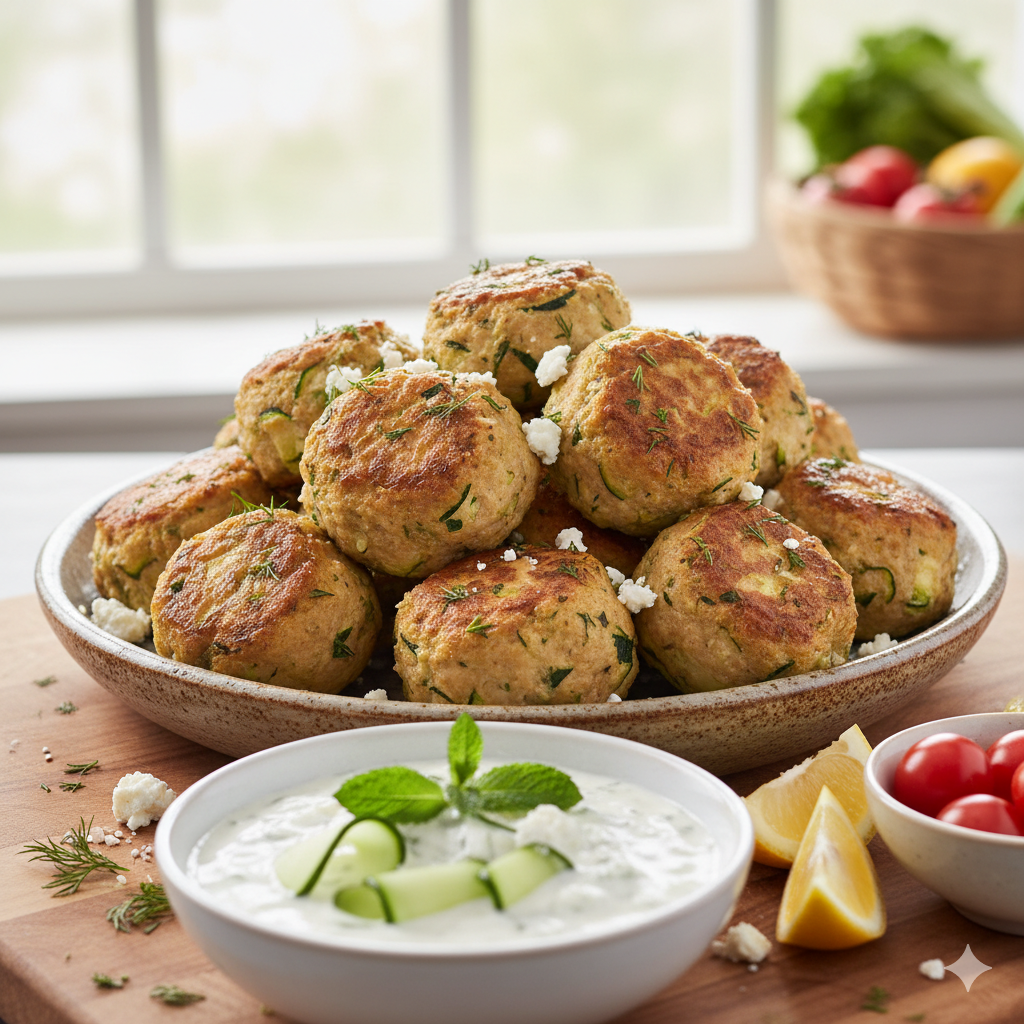
Troubleshooting Common Issues
Even experienced cooks occasionally encounter challenges when preparing Turkey Zucchini Meatballs, but most issues have simple solutions. If your baked turkey meatballs consistently fall apart during cooking, the problem usually stems from insufficient binding ingredients or excess moisture in the zucchini. Ensure you’re squeezing out as much liquid as possible from the grated zucchini, and consider adding an extra egg or tablespoon of breadcrumbs if needed.
Dry, crumbly healthy turkey meatballs typically result from using ground turkey that’s too lean or from overcooking. While 93/7 ground turkey provides optimal nutrition, some cooks prefer 85/15 for extra moisture. Monitor cooking times carefully and remove your zucchini turkey meatballs from the oven as soon as they reach the safe internal temperature of 165°F.
If your turkey meatballs with zucchini lack flavor, the issue often lies in under-seasoning or using old spices. Ground turkey has a mild flavor that requires adequate seasoning to shine. Don’t be afraid to taste your raw mixture (though do so safely) and adjust seasonings before forming your low carb turkey meatballs.
Advanced Techniques and Professional Tips
Elevating your Turkey Zucchini Meatballs to restaurant quality involves several professional techniques that home cooks can easily master. Creating a panade – a mixture of breadcrumbs and liquid – before adding it to your meat mixture results in incredibly tender healthy turkey meatballs. Soak your breadcrumbs in milk for five minutes before incorporating them into the mixture.
Temperature control throughout the preparation process significantly impacts the final quality of your baked turkey meatballs. Keep your ingredients cold until ready to mix, and chill the formed meatballs for 30 minutes before baking. This helps them maintain their shape better and results in more uniform zucchini turkey meatballs.
Professional chefs often finish their turkey meatballs with zucchini with a light brush of olive oil before baking, which promotes better browning and adds richness to the final product. This technique works particularly well for low carb turkey meatballs that might otherwise appear pale due to reduced carbohydrate content.
Seasonal Variations and Garden-to-Table Options
Turkey Zucchini Meatballs celebrate the abundance of summer gardens while providing a practical way to use surplus zucchini. During peak growing season, these healthy turkey meatballs can incorporate other garden vegetables like finely diced bell peppers, carrots, or fresh herbs that complement the mild zucchini flavor.
Summer presentations of zucchini turkey meatballs work beautifully with fresh tomato sauces made from vine-ripened tomatoes, basil, and garlic. The bright acidity of fresh tomatoes balances the richness of the meat while highlighting the subtle vegetable flavors in these baked turkey meatballs.
Fall adaptations might include adding grated butternut squash alongside the zucchini, creating turkey meatballs with zucchini that have beautiful color and seasonal appeal. These variations work particularly well in hearty stews or served with roasted root vegetables for complete autumn meals.
Conclusion: Embracing Healthy, Flavorful Cooking
Turkey Zucchini Meatballs represent the perfect intersection of health-conscious cooking and satisfying comfort food. These healthy turkey meatballs prove that nutritious meals don’t require sacrificing flavor or family appeal. The versatility of zucchini turkey meatballs makes them suitable for everything from quick weeknight dinners to special occasion meals.
Whether you’re seeking low carb turkey meatballs for specific dietary goals or simply want to increase your family’s vegetable intake, this recipe delivers exceptional results. The baked turkey meatballs method ensures consistent cooking while reducing cleanup and hands-on time in the kitchen.
The beauty of turkey meatballs with zucchini lies in their ability to adapt to your family’s preferences and dietary needs while maintaining their essential character. From Mediterranean-inspired variations to Asian fusion approaches, these meatballs serve as a blank canvas for culinary creativity. As you experiment with different flavor combinations and serving styles, you’ll discover why Turkey Zucchini Meatballs have become a staple in health-conscious kitchens everywhere.
By mastering this fundamental recipe, you’re equipped with a versatile tool that can transform simple ingredients into memorable meals that nourish both body and soul. The combination of lean protein, hidden vegetables, and endless customization options makes these meatballs a worthy addition to any home cook’s repertoire.