
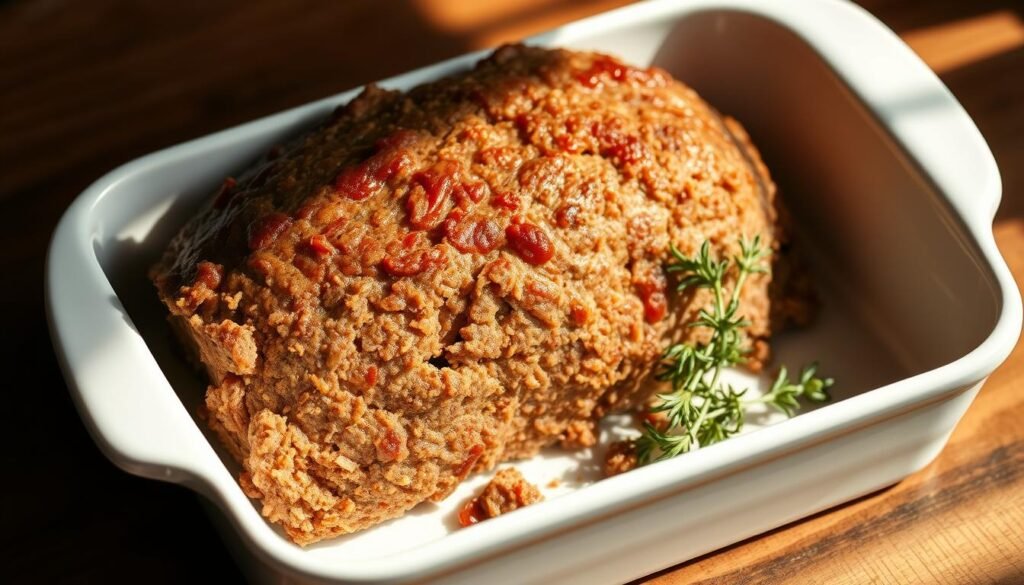
Discover the ultimate comfort food with our best meatloaf recipe that serves small families or individuals perfectly, using just 1 lb of ground beef. This meatloaf recipe using 1 lb ground beef is not only delicious but also easy to prepare, making it a great option for a weeknight dinner.
Our meatloaf recipe is designed to be simple, requiring minimal ingredients while delivering maximum flavor. With ground beef as the main ingredient, this dish is a classic American favorite. It’s perfect for those looking for a hearty meal without the hassle of complex cooking techniques.
By following our best meatloaf recipe, you’ll be able to create a mouth-watering dish that’s sure to become a family favorite. So, let’s dive into the details of this meatloaf recipe using 1 lb ground beef and start cooking!
Why This Meatloaf Recipe Using 1 lb Ground Beef Stands Out
Using 1 lb ground beef, this meatloaf recipe offers a perfect blend of flavors and convenience. It’s designed to be an easy meatloaf recipe that caters to the needs of small families and individuals alike.
The Perfect Size for Small Families
This recipe yields a meatloaf that is just the right size for small families or a couple of nights’ dinner. With 1 lb ground beef, you get a generous serving without excess leftovers. It’s an ideal simple meatloaf recipe for those who want a hearty meal without the hassle of cooking large quantities.
Balanced Flavors and Texture
The secret to this meatloaf’s success lies in its balanced flavors and tender texture. By mixing the right ingredients and using a specific cooking technique, we achieve a loaf that is both juicy and flavorful. This easy meatloaf recipe doesn’t compromise on taste, making it a staple for family dinners.
The combination of herbs, spices, and a special glaze adds depth to the meatloaf, making it a simple yet satisfying meal. Whether you’re a busy parent or an individual looking for a comforting meal, this recipe is sure to please.
The History and Evolution of Meatloaf
Tracing back the history of meatloaf reveals its evolution as a quintessential American comfort food. This dish has undergone significant transformations over the years, adapting to changing tastes and cooking techniques.
American Comfort Food Origins
Meatloaf originated as a practical way to use ground meat, breadcrumbs, and other ingredients to create a filling meal. The traditional meatloaf recipe was influenced by European cuisine, particularly German and Dutch cooking, where similar dishes were common. As American cuisine developed, meatloaf became a staple, especially during the Great Depression, when frugality and resourcefulness in cooking were valued.
How Meatloaf Recipes Have Changed Over Time
Over time, the homemade meatloaf recipe has evolved, incorporating various ingredients and cooking methods. Modern recipes often include diverse elements such as different meats, spices, and glazes, reflecting regional and personal preferences. The versatility of meatloaf has allowed it to remain a popular dish, with countless variations appearing in cookbooks and online.

Essential Ingredients for the Perfect Meatloaf
The foundation of a delicious meatloaf recipe lies in its essential ingredients. To create a mouth-watering meatloaf, it’s crucial to understand the role of each component.
Selecting the Right Ground Beef
Ground beef is the star of the meatloaf show. The quality and type of ground beef used can significantly impact the final product.
Fat Content Considerations
The fat content in ground beef is crucial for a juicy meatloaf. A mix with a higher fat content (around 80/20) is often preferred for its moisture and flavor.
Grass-Fed vs. Conventional Options
Choosing between grass-fed and conventional ground beef depends on personal preference and dietary needs. Grass-fed beef offers a leaner option with a different fatty acid profile.
Binding Agents and Fillers
Binding agents and fillers are vital for holding the meatloaf together and adding texture.
Breadcrumbs vs. Oats vs. Crackers
Breadcrumbs, oats, and crushed crackers can be used as fillers. Each adds a different texture and can affect the overall moisture of the meatloaf.
Egg and Milk Ratios
Eggs and milk help bind the ingredients together. The right ratio is crucial; too much egg can make the meatloaf too dense.
Herbs and Seasonings
Herbs and seasonings bring the meatloaf to life with flavor.
Essential Flavor Enhancers
Onions, garlic, and herbs like thyme and oregano are essential for a classic flavor profile.
Regional Seasoning Variations
Regional seasonings can give the meatloaf a unique twist. For example, adding Italian seasoning or BBQ spices can dramatically change the flavor.
| Ingredient | Purpose | Options |
|---|---|---|
| Ground Beef | Main protein source | 80/20, 85/15, grass-fed, conventional |
| Breadcrumbs/Oats/Crackers | Fillers and texture | Breadcrumbs, oats, crushed crackers |
| Eggs and Milk | Binding agents | Eggs, milk, egg substitutes |
| Herbs and Seasonings | Flavor enhancers | Onions, garlic, thyme, oregano, Italian seasoning, BBQ spices |
Kitchen Tools You’ll Need
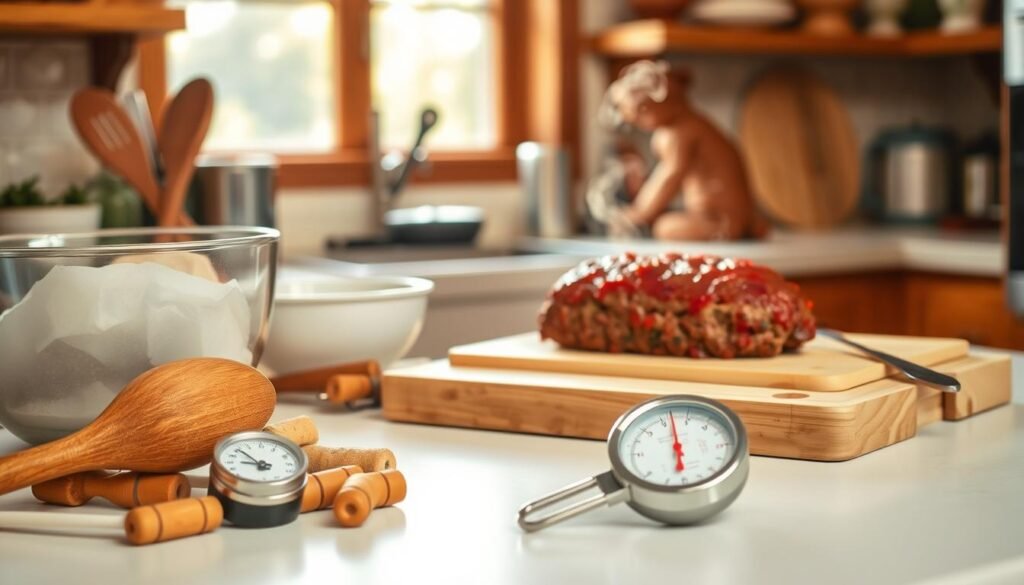
The right kitchen tools can simplify the preparation process for your meatloaf. To make a quick meatloaf recipe or an easy meatloaf recipe, you’ll need a few essential items.
Loaf Pans vs. Freeform Shaping
When it comes to shaping your meatloaf, you have two main options: using a loaf pan or freeform shaping. A loaf pan helps maintain the meatloaf’s shape and can make slicing easier. On the other hand, freeform shaping allows for a crispy crust on the meatloaf. Choose the method that suits your preference for an easy meatloaf recipe.
Mixing Bowls and Utensils
A large mixing bowl is necessary for combining your ingredients. You’ll also need utensils like a wooden spoon or a stand mixer to mix the meat mixture thoroughly. Ensuring your ingredients are well combined is crucial for a quick meatloaf recipe that’s both flavorful and tender.
Step-by-Step Meatloaf Recipe Using 1 lb Ground Beef
Now that we’ve covered the essentials, let’s dive into the step-by-step meatloaf recipe using 1 lb ground beef. This recipe is designed to be straightforward and easy to follow, ensuring a delicious homemade meatloaf every time.
Preparing Your Ingredients
Before you start mixing, make sure all your ingredients are ready and within reach. This includes 1 lb ground beef, finely chopped onions, minced garlic, eggs, breadcrumbs, and your choice of seasonings. Having everything prepared will make the process smoother and more enjoyable. Take a moment to measure out your ingredients according to the recipe.
Mixing Technique for Tender Meatloaf
The key to a tender meatloaf lies in the mixing technique. Use your hands or a wooden spoon to gently combine the ingredients until they are just mixed. Avoid overmixing, as this can lead to a dense and tough meatloaf. The mixture should still be a bit crumbly when you’re done.
Shaping and Baking Instructions
Shape the mixture into a loaf shape, either on a baking sheet or in a loaf pan, depending on your preference. If you’re using a baking sheet, you can shape the loaf into a more oval or rectangular shape. Place the shaped meatloaf in a preheated oven.
Temperature Guidelines
Preheat your oven to 375°F (190°C). The internal temperature of the meatloaf should reach 160°F (71°C) to be considered fully cooked.
How to Tell When It’s Done
Use a meat thermometer to check the internal temperature. Alternatively, you can check for doneness by cutting into the meatloaf slightly; it should be cooked through with no pink remaining.
| Cooking Method | Temperature | Internal Temperature |
|---|---|---|
| Baking | 375°F (190°C) | 160°F (71°C) |
The Secret to a Flavorful Glaze
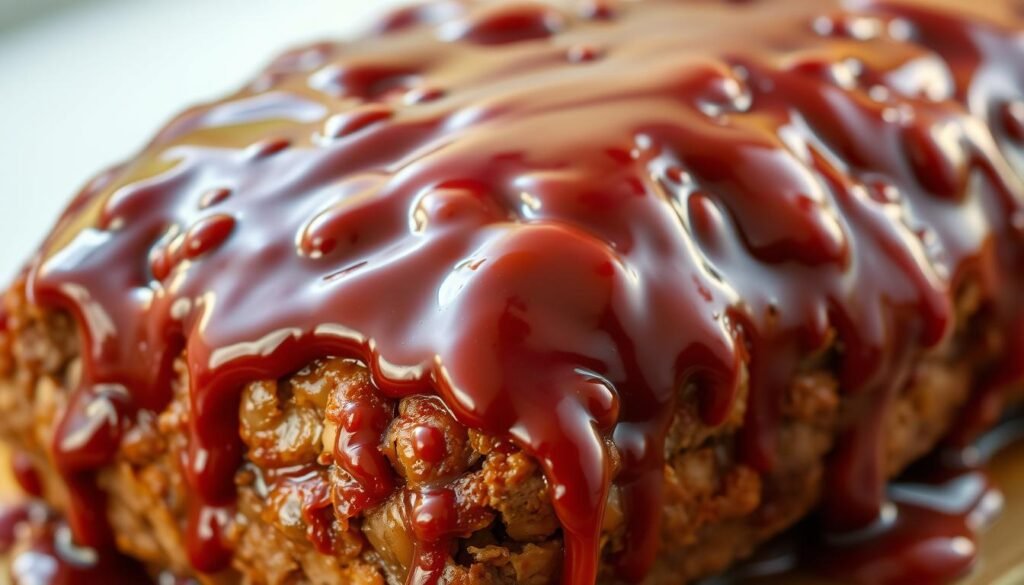
A flavorful glaze is the crowning glory of a delicious meatloaf recipe, elevating its taste to new heights. It’s the finishing touch that can make your meatloaf stand out from the rest.
Classic Ketchup-Based Glaze
A traditional ketchup-based glaze is a staple for many meatloaf recipes. To make it, mix 1/2 cup ketchup, 2 tablespoons brown sugar, and 1 tablespoon Worcestershire sauce in a bowl until well combined. This glaze provides a sweet and tangy flavor profile that complements the savory taste of the meatloaf.
Gourmet Glaze Variations
For those looking to experiment, there are numerous gourmet glaze variations to try. These can be categorized into two main types:
- Sweet and Tangy Options: Consider a honey-mustard glaze or a glaze made with apricot jam and Dijon mustard.
- Savory Glazes: A glaze featuring ingredients like soy sauce, garlic, and thyme can add a rich, umami flavor to your meatloaf.
Sweet and Tangy Options
Sweet and tangy glazes offer a perfect balance of flavors. Some ideas include:
- A mixture of honey, Dijon mustard, and thyme
- A combination of apricot jam, apple cider vinegar, and smoked paprika
Savory Glazes
For a more robust flavor, savory glazes are the way to go. Try combining:
- Soy sauce, garlic, and thyme
- Beef broth, tomato paste, and dried oregano
Common Mistakes to Avoid When Making Meatloaf
To achieve a perfect traditional meatloaf recipe, it’s crucial to sidestep typical mistakes that can ruin the dish. Making a great meatloaf is not just about following a simple meatloaf recipe; it’s also about avoiding common pitfalls that can lead to a less desirable outcome.
Overmixing the Meat Mixture
One of the most common mistakes is overmixing the meat mixture. When you overmix, you develop the proteins in the meat too much, leading to a tough and dense meatloaf. To avoid this, mix your ingredients just until they come together. Use a gentle touch, and stop mixing as soon as the ingredients are combined.
Temperature and Timing Issues
Another critical error is incorrect oven temperature and baking time. If the oven is too hot, the outside will burn before the inside is fully cooked. Conversely, if it’s too cold, the meatloaf may not cook evenly. Ensure your oven is at the right temperature, and keep an eye on the cooking time. A meat thermometer can be a valuable tool here.
Seasoning Errors
Finally, seasoning errors can greatly impact the flavor of your meatloaf. Using too much or too little seasoning can result in a dish that’s either overpowering or bland. Taste as you go and adjust the seasoning accordingly. Remember, you can always add more seasoning, but it’s harder to remove excess seasoning from the meat mixture.
By avoiding these common mistakes, you can create a delicious and satisfying meatloaf that will become a family favorite.
Troubleshooting Your Meatloaf Recipe
Troubleshooting common meatloaf issues can elevate your homemade meatloaf recipe. Even experienced cooks can encounter problems like a meatloaf that falls apart or becomes dry and tough.
Why Meatloaf Falls Apart
A meatloaf that falls apart can be disappointing. This issue often stems from inadequate binding agents or overmixing the meat mixture. To prevent this, ensure you’re using enough eggs and breadcrumbs, and mix your ingredients just until they come together. If you’re still having trouble, try adding a little more breadcrumb or chilling the meatloaf before baking to help it hold its shape.
- Check your binding agents (eggs, breadcrumbs).
- Avoid overmixing the meat mixture.
- Chill the meatloaf before baking for better cohesion.
Fixing Dry or Tough Meatloaf
Dry or tough meatloaf can result from overcooking or using lean ground beef. To combat dryness, consider adding ingredients that retain moisture, such as finely chopped vegetables or a bit more fat in your ground beef. Ensure you’re not overbaking; use a thermometer to check for doneness. For a tender easy meatloaf recipe, don’t overmix, and keep an eye on your oven temperature.
Delicious Variations of the Classic Meatloaf Recipe
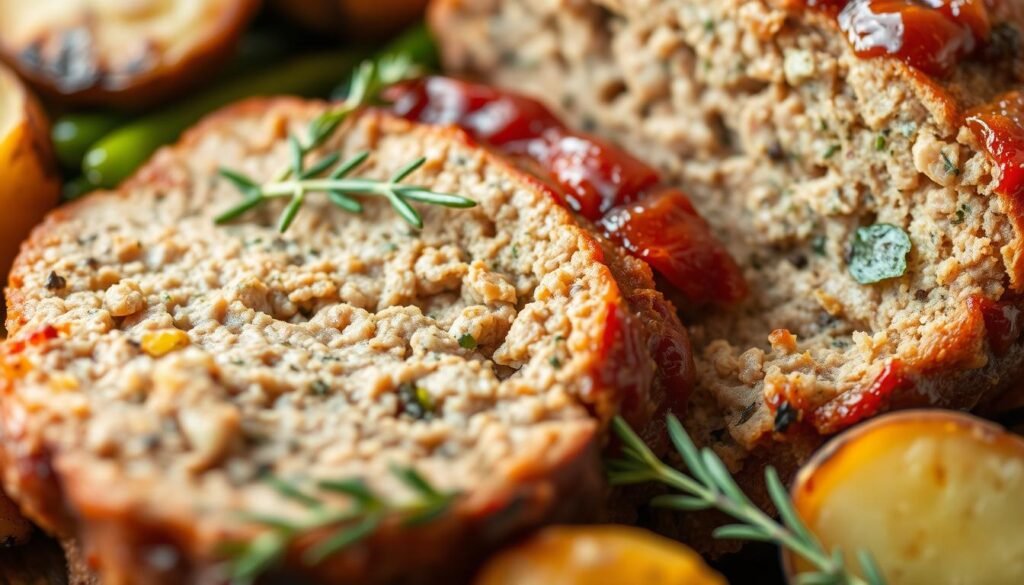
The classic meatloaf recipe is a versatile canvas, waiting for your creative touch to transform it into a variety of delicious dishes. By incorporating different ingredients and cooking styles, you can create unique variations that cater to various tastes and preferences.
Italian-Style Meatloaf
To give your meatloaf an Italian twist, try adding Italian seasonings, fresh basil, and mozzarella cheese to the mixture. You can also top it with a tangy marinara sauce and melted mozzarella cheese for an authentic Italian flavor.
BBQ Meatloaf
For a BBQ-inspired meatloaf, mix in some smoked paprika and chopped onions, then top it with a sweet and tangy BBQ glaze. This variation is perfect for those who love the smoky flavor of barbecue.
Cheese-Stuffed Meatloaf
Create a cheese-stuffed meatloaf by filling the center with a mix of shredded cheddar and mozzarella cheese. This variation adds an extra layer of flavor and texture, making it a delightful surprise for your taste buds.
Some other ideas for variations include:
- Adding chopped bacon or prosciutto for a smoky flavor
- Using different types of cheese, such as parmesan or feta
- Incorporating chopped vegetables, like bell peppers or mushrooms
Healthy Adaptations of This Meatloaf Recipe
A healthy meatloaf recipe doesn’t have to sacrifice flavor for nutrition. By making a few simple adjustments, you can enjoy a delicious and nutritious meal.
Leaner Meat Options
Choosing leaner ground beef or alternative proteins like turkey or chicken can significantly reduce the fat content of your meatloaf. Opting for 90% lean or higher ground beef is a good starting point. You can also experiment with other lean meats or even plant-based protein sources like lentils or mushrooms for a vegetarian version.
Vegetable-Packed Meatloaf
Incorporating finely chopped vegetables into your meatloaf mixture not only adds fiber but also moisture, making the meatloaf more tender. Carrots, zucchini, and bell peppers are excellent choices.
Hidden Veggies for Picky Eaters
For families with picky eaters, finely grating vegetables like zucchini or carrots and mixing them into the meatloaf can be a great way to increase nutrient intake without altering the flavor profile significantly.
Nutrition Boost Ideas
To further boost the nutritional value, consider adding other healthy ingredients. Chopped spinach or kale adds antioxidants, while diced onions and garlic provide additional health benefits. You can also experiment with different herbs and spices to enhance flavor without adding salt or sugar.
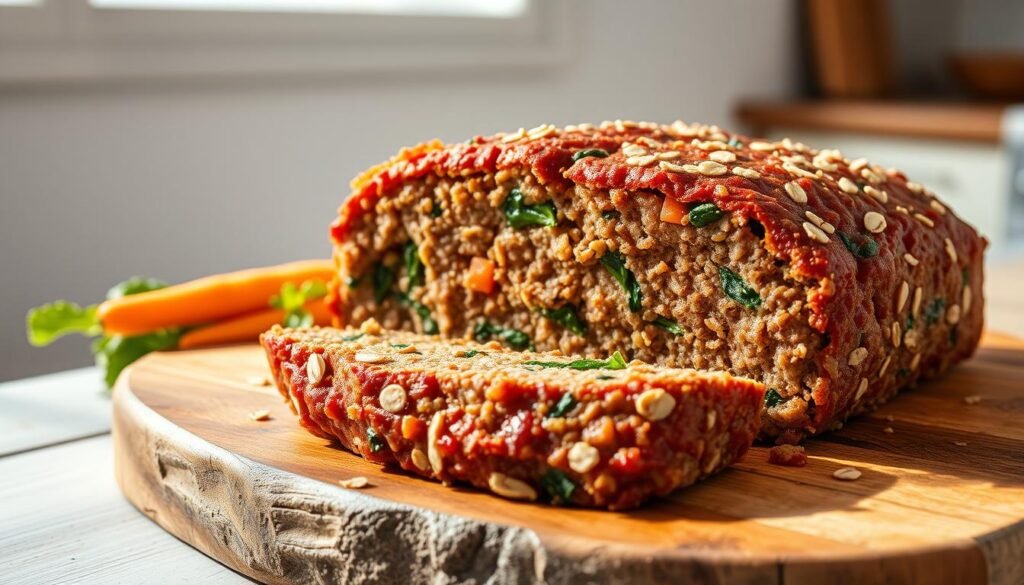
By implementing these healthy adaptations, you can enjoy a simple meatloaf recipe that’s both delicious and nutritious. Whether you’re looking to reduce fat content or increase vegetable intake, these tips can help you create a healthier version of this comfort food classic.
Perfect Side Dishes to Serve with Your Meatloaf
A well-rounded meal featuring the best meatloaf recipe includes a thoughtful selection of side dishes. The right accompaniments can enhance the flavors and textures of your classic meatloaf recipe, creating a satisfying dining experience.
Classic Pairings
Traditional side dishes like mashed potatoes and roasted vegetables are timeless choices that complement meatloaf well. These classic pairings are easy to prepare and always a crowd-pleaser.
| Side Dish | Description |
|---|---|
| Mashed Potatoes | Creamy and comforting, pairs well with the savory flavors of meatloaf. |
| Roasted Vegetables | Adds a burst of color and nutrients, balancing the richness of the meatloaf. |
Modern Side Dish Ideas
For a more contemporary twist, consider grilled asparagus or a fresh quinoa salad. These modern side dishes offer a refreshing contrast to the hearty meatloaf.
https://www.youtube.com/watch?v=ZpytEPc5K80
Storing and Reheating Leftover Meatloaf
Leftover meatloaf can be just as delicious as when it’s freshly baked, provided you store and reheat it correctly. This ensures that your easy meatloaf recipe or homemade meatloaf recipe remains enjoyable even after the initial meal.
Refrigeration Tips
To keep your leftover meatloaf fresh, it’s essential to refrigerate it within two hours of cooking. Wrap it tightly in aluminum foil or plastic wrap, or place it in an airtight container. When stored properly, it can last for up to three to four days in the refrigerator. Reheat it in the oven at 350°F (175°C) until it’s warmed through, or use a microwave for a quicker option.
Freezing Methods
For longer storage, consider freezing your leftover meatloaf. Wrap it securely in freezer-safe wrap or aluminum foil, or place it in a freezer-safe container. Frozen meatloaf can be stored for up to three months. To reheat, thaw it overnight in the refrigerator, then follow the same reheating instructions as for refrigerated leftovers. 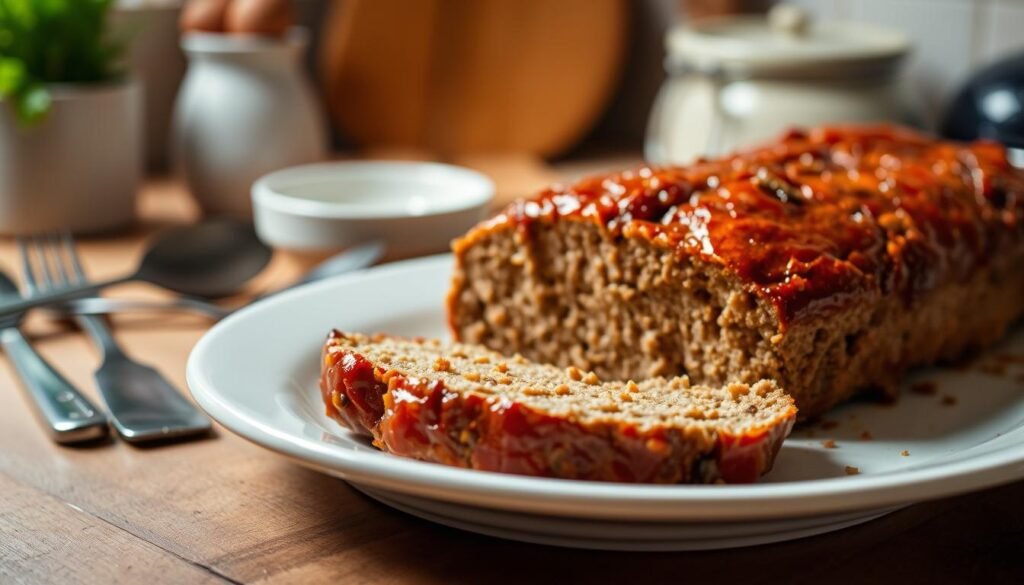
Conclusion: Mastering the Perfect Meatloaf Recipe Using 1 lb Ground Beef
Creating a delicious meatloaf using 1 lb ground beef is now easier than ever. This recipe has been designed to provide a perfect balance of flavors and texture, making it an ideal meal for small families or individuals looking for a hearty dish.
The best meatloaf recipe is all about using the right ingredients and techniques. By selecting the right ground beef, binding agents, and seasonings, you can create a mouth-watering meatloaf that’s sure to become a family favorite.
With the steps outlined in this article, you’ll be well on your way to mastering the perfect meatloaf recipe using 1 lb ground beef. So why not give it a try and experience the joy of a home-cooked meal that’s both satisfying and delicious?
FAQ
What is the best type of ground beef to use for a meatloaf recipe?
For a classic meatloaf, it’s best to use ground beef with a moderate fat content, typically around 80/20 or 85/15. This ratio provides enough fat to keep the meatloaf moist and flavorful.
Can I make a meatloaf recipe using 1 lb ground beef for a large family?
While 1 lb of ground beef is suitable for a small family, you may need to scale up the recipe for a larger family. Consider doubling or tripling the recipe, and adjust the cooking time accordingly.
How do I prevent my meatloaf from falling apart?
To prevent your meatloaf from falling apart, make sure to use adequate binding agents like eggs and breadcrumbs, and avoid overmixing the meat mixture. You can also try chilling the meatloaf before baking to help it hold its shape.
What are some common mistakes to avoid when making a simple meatloaf recipe?
Common mistakes include overmixing the meat, using the wrong cooking temperature, and not letting the meatloaf rest before slicing. Be sure to mix your ingredients just until they come together, cook at the right temperature, and let it rest for a few minutes before serving.
Can I make a healthy meatloaf recipe using leaner ground beef?
Yes, you can make a healthier meatloaf using leaner ground beef. Look for options with a higher lean percentage, such as 90/10 or 95/5, and consider adding more vegetables to the mixture to enhance the nutritional value.
How do I store and reheat leftover meatloaf?
To store leftover meatloaf, wrap it tightly in plastic wrap or aluminum foil and refrigerate for up to 3-4 days. To reheat, slice the meatloaf and warm it in the oven at 350°F (175°C) until heated through, or microwave individual slices for a quick snack.
What are some delicious variations of the classic meatloaf recipe?
Some tasty variations include Italian-style meatloaf with marinara sauce, BBQ meatloaf with a sweet and tangy glaze, and cheese-stuffed meatloaf with melted mozzarella or cheddar. Feel free to experiment with different ingredients and flavors to create your own unique meatloaf recipe.
How do I achieve a balanced flavor and texture in my meatloaf?
To achieve a balanced flavor and texture, make sure to use a mix of ingredients, including ground beef, binding agents, and seasonings. Don’t be afraid to experiment with different herbs and spices to find the perfect combination that suits your taste.