
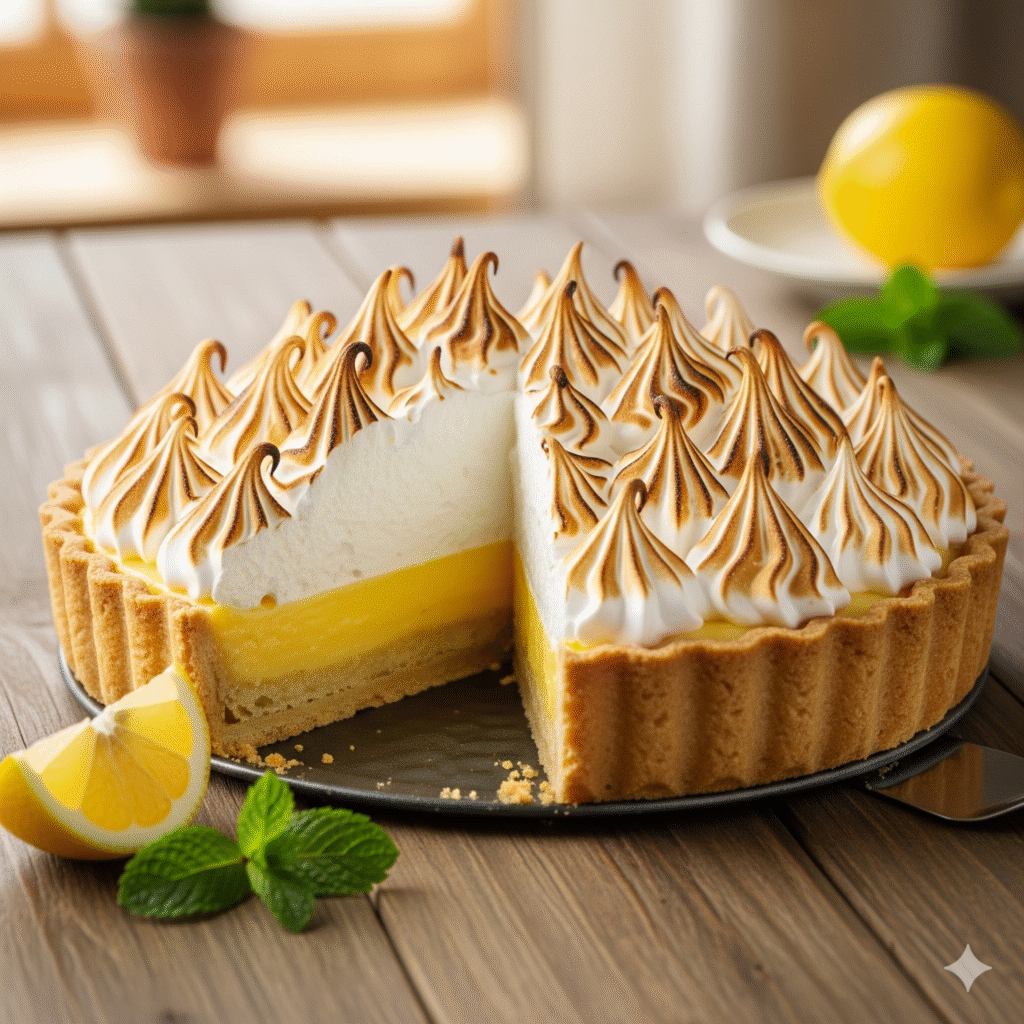
Few desserts capture the perfect balance of tart and sweet quite like a well-made Lemon Meringue Pie. This iconic dessert has graced tables for generations, representing the pinnacle of classic American baking with its combination of buttery pastry crust, silky lemon curd filling, and cloud-like meringue topping. Whether you’re a seasoned baker or someone attempting this beloved dessert for the first time, Lemon Meringue Pie offers a rewarding baking challenge that produces spectacular results when proper techniques are understood and applied.
The allure of Lemon Meringue Pie extends far beyond its impressive appearance. This classic lemon meringue pie embodies the essence of comfort food elegance, transforming simple ingredients into a dessert that feels both nostalgic and sophisticated. The contrast between the crisp pastry shell, the smooth tang of lemon curd, and the sweet, airy meringue creates a textural symphony that makes each bite an adventure. Understanding how to create this perfect harmony is the key to mastering easy lemon meringue pie in your own kitchen.
The beauty of Lemon Meringue Pie lies in its component-based construction, where each element can be perfected individually before assembly into the final masterpiece. This approach makes homemade lemon meringue pie more manageable for home bakers, allowing you to focus on one technique at a time while building the skills necessary for consistent success. With the right knowledge and patience, anyone can create a best lemon meringue pie recipe that rivals professional bakery offerings.
The History and Cultural Significance of Classic Lemon Meringue Pie
Classic lemon meringue pie has deep roots in American culinary history, evolving from European custard tart traditions into the distinctly American dessert we know today. The combination of lemon curd and meringue gained popularity in the 19th century when lemons became more widely available and affordable, making Lemon Meringue Pie accessible to home bakers across the country.
The development of reliable leavening agents and improved oven technology contributed to the rise of homemade lemon meringue pie as a showcase dessert for special occasions. Victorian-era cookbooks began featuring detailed instructions for creating the perfect meringue, recognizing that this component often determined the success or failure of the entire classic lemon meringue pie. The precision required for proper meringue preparation elevated Lemon Meringue Pie from simple custard pie to a demonstration of baking skill and attention to detail.
Regional variations of easy lemon meringue pie developed across different areas of the United States, with Southern versions often incorporating additional egg yolks for richer filling and Northeastern variations sometimes including cream for added richness. These regional differences demonstrate how Lemon Meringue Pie adapted to local preferences and available ingredients while maintaining its essential character as America’s favorite citrus dessert.
The cultural significance of best lemon meringue pie recipe preparations extends beyond mere dessert making, often representing family traditions passed down through generations. Many families treasure handwritten recipe cards and techniques that have been refined over decades, creating personal connections to this beloved dessert that transcend its simple ingredients. This emotional connection helps explain why homemade lemon meringue pie remains so popular despite the availability of commercial alternatives.
Understanding the Three Components of Perfect Lemon Meringue Pie
Successful Lemon Meringue Pie depends on mastering three distinct components that work together to create the finished dessert. Each element requires different techniques and understanding, making step-by-step lemon meringue pie recipe for beginners approaches particularly valuable for developing the skills necessary for consistent success.
The pastry crust forms the foundation of every great homemade lemon meringue pie, providing structure and textural contrast to the soft filling and meringue topping. Traditional pie pastry combines flour, fat, salt, and liquid in specific proportions that create tender, flaky results when properly handled. The key to exceptional crust in classic lemon meringue pie lies in keeping ingredients cold, avoiding overworking the dough, and achieving proper blind-baking that prevents soggy bottoms.
Lemon curd filling represents the heart of Lemon Meringue Pie, delivering the intense citrus flavor that defines the dessert’s character. This component combines egg yolks, sugar, lemon juice, and butter through careful cooking that creates a smooth, thick custard without scrambling the eggs. Understanding temperature control and proper stirring techniques ensures silky, lump-free results that characterize the best lemon meringue pie recipe preparations.
Meringue topping provides the dramatic visual element and textural contrast that makes easy lemon meringue pie so appealing. This component requires understanding egg white behavior, proper sugar incorporation, and beating techniques that create stable, glossy peaks. The meringue must be applied to hot filling to ensure proper sealing and prevent shrinkage, demonstrating how timing and technique interact in successful Lemon Meringue Pie preparation.

Mastering the Perfect Pie Crust for Lemon Meringue Pie
Creating exceptional pastry crust sets the foundation for outstanding Lemon Meringue Pie and requires understanding both the science and technique behind successful pastry making. The crust for homemade lemon meringue pie must be sturdy enough to support the wet filling while remaining tender and flaky, achieving a balance that requires attention to ingredient ratios and handling methods.
Flour selection impacts the texture and structure of your classic lemon meringue pie crust. All-purpose flour provides the best balance of structure and tenderness for most applications, while cake flour creates more tender results that may not provide adequate support for the heavy filling. Understanding protein content in different flours helps achieve the ideal texture in easy lemon meringue pie crusts that won’t become soggy or tough.
Fat incorporation techniques determine whether your Lemon Meringue Pie crust will be flaky or tough. The goal is creating small pieces of fat distributed throughout the flour that will create steam pockets during baking, resulting in the flaky layers that characterize excellent pastry. Whether using butter, shortening, or a combination, the fat should remain cold and be worked into the flour just until the mixture resembles coarse crumbs with some larger pieces visible.
Liquid management prevents tough, chewy crusts while ensuring proper dough formation for best lemon meringue pie recipe success. Ice water should be added gradually, using only enough to bring the dough together without making it sticky or wet. Overhydrated dough develops too much gluten, creating tough crusts that detract from the overall homemade lemon meringue pie experience. The finished dough should hold together when squeezed but not feel wet or sticky.
Blind baking techniques ensure crisp, golden crusts that won’t become soggy when filled with lemon curd. This process involves partially or fully baking the crust before adding filling, using pie weights or dried beans to prevent puffing and shrinkage. Proper blind baking creates the sturdy foundation necessary for supporting the components of Lemon Meringue Pie while maintaining textural integrity throughout storage and serving.
Creating Silky Lemon Curd: The Heart of Lemon Meringue Pie
The lemon curd filling defines the character of Lemon Meringue Pie and requires understanding temperature control, ingredient balance, and cooking techniques that create smooth, intensely flavored results. This component showcases lemon’s starring role while providing the custard-like consistency that makes classic lemon meringue pie so satisfying and memorable.
Ingredient proportions significantly impact the final texture and flavor of your easy lemon meringue pie filling. The ratio of egg yolks to whole eggs affects richness and color, while the balance between lemon juice and sugar determines the final flavor profile. Traditional formulations use more egg yolks for richer color and flavor, though some modern step-by-step lemon meringue pie recipe for beginners versions incorporate whole eggs for convenience and economy.
Cooking techniques for lemon curd require constant attention and gradual heating to prevent the eggs from scrambling while achieving proper thickness. The mixture should be stirred constantly over medium-low heat until it coats the back of a spoon and holds its shape when dropped from a whisk. This cooking process typically takes 8-12 minutes and represents the most critical phase in creating successful homemade lemon meringue pie filling.
Strain and finishing steps ensure smooth, professional-quality results in your Lemon Meringue Pie curd. Straining the cooked curd removes any lumps or bits of cooked egg that might have formed despite careful temperature control. Adding butter while the curd is still hot creates richness and shine while improving the texture. These finishing touches separate good lemon curd from exceptional results that characterize the best lemon meringue pie recipe preparations.
Temperature management during assembly prevents common problems like weeping or shrinking that can ruin otherwise perfect classic lemon meringue pie. The curd should be hot when the meringue is applied, as this heat helps cook the bottom of the meringue and creates proper adhesion between components. Understanding these thermal dynamics ensures success in easy lemon meringue pie assembly and prevents the separation issues that frustrate many home bakers.
Meringue Mastery: Creating the Perfect Topping
Meringue topping represents both the crowning glory and the greatest challenge in Lemon Meringue Pie preparation. Understanding egg white behavior, proper beating techniques, and sugar incorporation methods ensures consistently successful results that characterize homemade lemon meringue pie perfection.
Egg white preparation forms the foundation of successful meringue for classic lemon meringue pie. Room temperature egg whites whip more easily and achieve greater volume than cold ones, while any trace of fat or egg yolk will prevent proper whipping. Clean bowls and beaters are essential, as even tiny amounts of grease can interfere with egg white proteins’ ability to trap air and create the stable foam necessary for easy lemon meringue pie success.
Sugar incorporation timing affects both the stability and texture of your Lemon Meringue Pie meringue. Adding sugar too early prevents proper volume development, while adding it too late can create grainy textures that detract from the smooth, silky appearance expected in best lemon meringue pie recipe presentations. The sugar should be added gradually once the egg whites reach soft peak stage, allowing each addition to dissolve completely before adding more.
Beating stages require recognition of visual cues that indicate proper development for homemade lemon meringue pie meringue. Soft peaks bend over when the beaters are lifted, medium peaks hold their shape but have slightly curved tips, and stiff peaks stand straight without bending. For classic lemon meringue pie, medium to medium-stiff peaks provide the best balance of stability and tenderness, creating meringue that holds its shape while remaining light and airy.
Application techniques ensure proper adhesion and appearance in your finished Lemon Meringue Pie. The meringue should be applied to hot filling, spreading it completely to the crust edges to prevent shrinkage during baking. Creating decorative peaks and swirls adds visual appeal while ensuring even browning during the final baking phase that sets the meringue and creates the golden appearance that makes easy lemon meringue pie so visually striking.
Step-by-Step Lemon Meringue Pie Recipe for Beginners
This comprehensive step-by-step lemon meringue pie recipe for beginners breaks down the entire process into manageable segments that build confidence while ensuring success at each stage. Understanding each step thoroughly helps novice bakers avoid common pitfalls while creating homemade lemon meringue pie that rivals professional bakery offerings.
Begin by preparing your pastry crust, which requires the most time due to chilling requirements between mixing and rolling. Combine 1¼ cups all-purpose flour with ½ teaspoon salt, then cut in ⅓ cup cold butter and 2-3 tablespoons cold shortening until the mixture resembles coarse crumbs. Gradually add 3-4 tablespoons ice water until the dough holds together, then wrap and chill for at least one hour before rolling for your classic lemon meringue pie.
Roll the chilled dough into a 12-inch circle and transfer to a 9-inch pie pan, trimming excess and crimping edges decoratively. Line with parchment paper and fill with pie weights, then bake at 425°F for 12 minutes. Remove weights and parchment, then continue baking 8-10 minutes until golden brown. This blind-baking process creates the crisp foundation necessary for easy lemon meringue pie success.
Prepare the lemon filling by whisking together 1⅓ cups sugar, ⅓ cup cornstarch, and ⅛ teaspoon salt in a heavy saucepan. Gradually whisk in 1½ cups water until smooth, then cook over medium heat, stirring constantly, until thickened and bubbly. This mixture forms the base for your Lemon Meringue Pie filling and must be properly thickened before adding the egg yolks.
Temper 6 beaten egg yolks by gradually whisking in about ½ cup of the hot mixture, then return this tempered mixture to the saucepan. Cook for 2 minutes more, stirring constantly, then remove from heat and stir in ⅓ cup fresh lemon juice, 2 tablespoons butter, and 1 tablespoon lemon zest. This creates the silky, intensely flavored filling that defines exceptional best lemon meringue pie recipe results.
Create the meringue by beating 6 egg whites until soft peaks form, then gradually add ½ cup sugar, beating until stiff, glossy peaks develop. Spread the meringue over the hot filling, sealing to the crust edges, then bake at 350°F for 12-15 minutes until golden brown. Cool completely before serving to allow proper set in your finished homemade lemon meringue pie.
Troubleshooting Common Lemon Meringue Pie Problems
Even experienced bakers encounter challenges when preparing Lemon Meringue Pie, and understanding common issues and their solutions helps ensure consistent success with this beloved dessert. These troubleshooting techniques address the most frequent problems that can affect classic lemon meringue pie quality and appearance.
Weeping meringue represents one of the most common problems in easy lemon meringue pie preparation, where liquid forms between the meringue and filling or beads on the surface. This issue typically results from undercooked meringue, applying meringue to cooled filling, or high humidity during preparation. Prevention involves ensuring the filling is hot when meringue is applied and baking long enough to cook the meringue completely throughout its thickness.
Shrinking meringue can ruin the appearance of otherwise perfect Lemon Meringue Pie by pulling away from the crust edges and exposing the filling underneath. This problem usually stems from insufficient sealing during application or temperature shock during cooling. Proper technique involves spreading meringue completely to the crust edges and allowing gradual cooling to prevent rapid temperature changes that cause contraction in homemade lemon meringue pie.
Runny filling frustrates many bakers attempting best lemon meringue pie recipe preparations, resulting in pies that don’t hold their shape when sliced. This issue typically indicates insufficient cooking of the cornstarch thickener or improper ingredient ratios. The filling should be cooked until it bubbles vigorously and coats a spoon thickly before removing from heat. Understanding proper thickening indicators prevents runny results in classic lemon meringue pie.
Soggy crust problems can undermine even perfectly prepared filling and meringue components in easy lemon meringue pie. Prevention involves proper blind baking techniques that create moisture barriers and using still-warm crust when adding hot filling. Some bakers brush the prebaked crust with beaten egg white before adding filling, creating an additional barrier that helps maintain crust crispness in Lemon Meringue Pie.
Variations and Creative Adaptations
While traditional Lemon Meringue Pie remains beloved for good reason, creative variations allow bakers to explore new flavor combinations and presentation styles while maintaining the essential character that makes this dessert so appealing. These adaptations demonstrate the versatility of the basic classic lemon meringue pie concept while offering fresh takes for adventurous bakers.
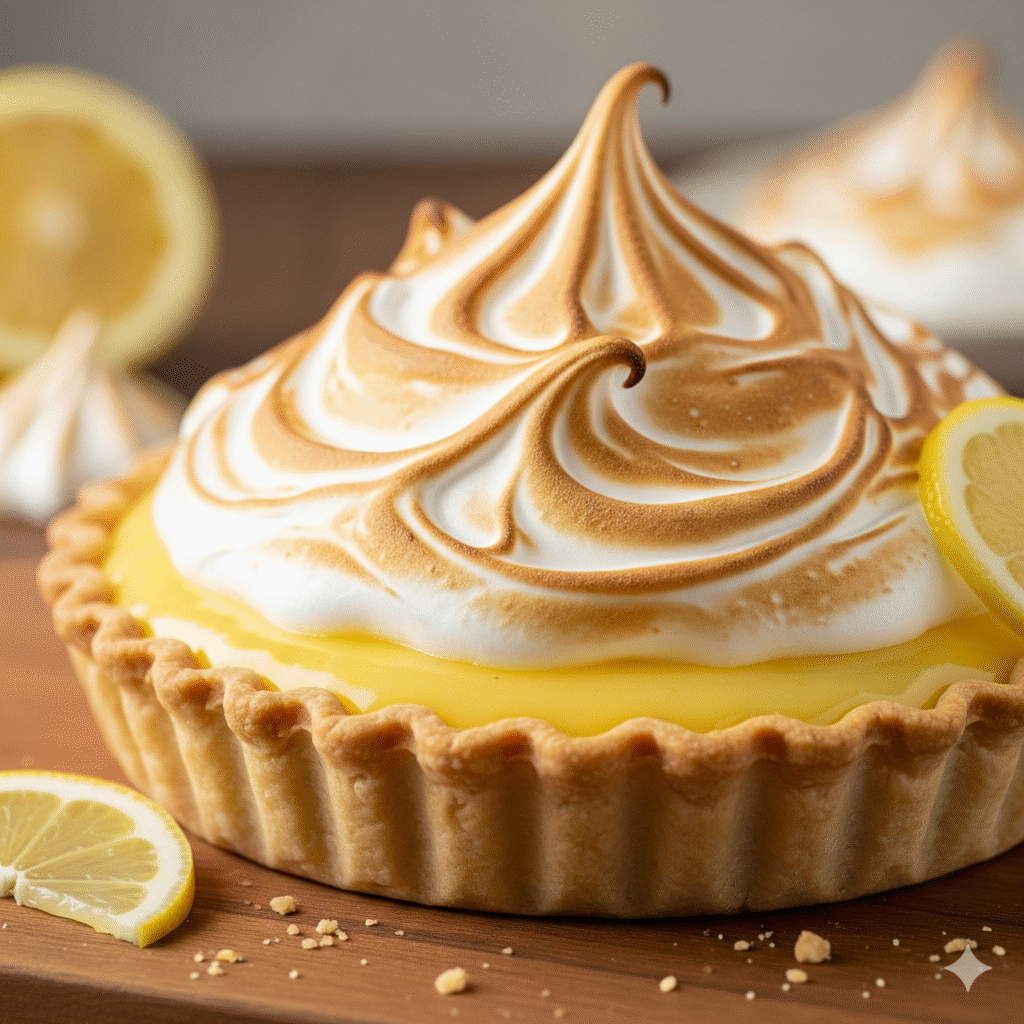
Miniature versions of homemade lemon meringue pie create elegant individual servings perfect for entertaining or portion control. Tartlet pans allow for precise portioning while reducing serving challenges associated with cutting perfect slices. These smaller versions often cook more quickly and evenly, making them excellent choices for easy lemon meringue pie preparations when serving crowds or creating varied dessert presentations.
Flavor variations expand the appeal of Lemon Meringue Pie by incorporating complementary citrus fruits or additional flavoring elements. Lime-lemon combinations create more complex citrus profiles, while orange additions provide sweetness balance. Herb infusions like lavender or thyme can add sophisticated notes to best lemon meringue pie recipe variations that appeal to more adventurous palates while maintaining the fundamental appeal of citrus-meringue combinations.
Chocolate adaptations create dramatic presentations that combine the brightness of lemon with the richness of chocolate in sophisticated classic lemon meringue pie variations. Chocolate pastry crusts provide rich foundations for traditional lemon fillings, while chocolate meringue creates striking visual contrast. These combinations require understanding how chocolate flavors interact with citrus acidity to maintain balance in homemade lemon meringue pie variations.
Seasonal adaptations incorporate fresh fruits and seasonal elements that complement lemon’s brightness while creating timely variations of easy lemon meringue pie. Summer berry additions provide color and additional tartness, while fall spice incorporations create warming flavor profiles. These seasonal approaches keep Lemon Meringue Pie interesting throughout the year while showcasing how classic recipes can evolve with available ingredients.
Professional Tips for Best Lemon Meringue Pie Recipe Success
Professional bakers have developed techniques over generations that elevate best lemon meringue pie recipe results from good to exceptional. Understanding these insider secrets helps home bakers achieve consistent, professional-quality results with Lemon Meringue Pie while avoiding common pitfalls that can ruin otherwise careful preparation.
Ingredient temperature management affects every component of classic lemon meringue pie and requires planning ahead to ensure optimal results. Pastry ingredients should be cold for proper texture development, while egg components should be at room temperature for easier incorporation and better volume development. Understanding these temperature requirements helps ensure success across all three components of homemade lemon meringue pie.
Timing coordination becomes crucial when assembling easy lemon meringue pie because each component requires different preparation windows and temperature considerations. Professional bakers often prepare components in specific sequences that ensure hot filling receives fresh meringue at the optimal moment. This timing mastery separates amateur attempts from best lemon meringue pie recipe executions that achieve perfect integration between all elements.
Quality ingredient selection significantly impacts the final result of Lemon Meringue Pie, with fresh, high-quality lemons making the most dramatic difference in flavor intensity and brightness. Professional bakers often taste lemons before using them, selecting those with the best balance of acidity and flavor for their classic lemon meringue pie preparations. This attention to ingredient quality ensures consistent results even when working with natural products that can vary significantly.
Equipment considerations help ensure success with homemade lemon meringue pie by providing the tools necessary for proper technique execution. Heavy-bottomed saucepans prevent scorching during curd preparation, while copper or stainless steel bowls provide optimal environments for whipping meringue. Understanding how equipment affects results helps home bakers make informed choices about their easy lemon meringue pie preparation setup.
Storage and Serving Considerations
Proper storage and serving techniques ensure that your carefully prepared Lemon Meringue Pie maintains its quality and appeal from preparation through consumption. Understanding how different components react to storage conditions helps preserve the textural contrasts that make classic lemon meringue pie so delightful while preventing common deterioration issues.
Refrigeration requirements for homemade lemon meringue pie involve balancing food safety with texture preservation. The egg-based filling requires refrigeration for safety, but extended cold storage can cause meringue to become tough or weepy. The optimal approach involves cooling completely at room temperature before refrigerating, then removing from refrigeration 30 minutes before serving to allow flavors to develop fully.
Humidity effects on easy lemon meringue pie can cause meringue problems even when all other techniques are executed properly. High humidity prevents proper meringue setting and can cause weeping even in perfectly prepared pies. Understanding local climate conditions helps bakers choose optimal days for Lemon Meringue Pie preparation and adjust techniques accordingly for consistent results.
Serving techniques maximize the visual appeal and eating experience of best lemon meringue pie recipe preparations. Clean, sharp knives should be wiped between cuts to maintain neat slice appearance, while proper support during serving prevents component separation. Understanding how to present classic lemon meringue pie slices attractively enhances the overall dining experience and showcases the care taken in preparation.
Leftover management extends the enjoyment of homemade lemon meringue pie while maintaining quality through proper storage and reheating techniques when appropriate. While meringue doesn’t reheat well, individual components can be repurposed into other desserts or enjoyed separately. Understanding how to maximize your Lemon Meringue Pie investment helps justify the effort involved in this multi-component dessert preparation.
Modern Equipment and Technique Innovations
Contemporary kitchen equipment and refined techniques have made easy lemon meringue pie more accessible to home bakers while improving consistency and reducing the skill barriers that once made this dessert challenging for novice bakers. Understanding how to leverage modern tools and methods enhances traditional classic lemon meringue pie preparations without compromising authenticity.
Stand mixers have revolutionized meringue preparation for Lemon Meringue Pie, providing consistent beating power and freeing bakers to focus on other components during preparation. Proper mixer technique involves starting slowly and gradually increasing speed while monitoring egg white development visually. Understanding your specific mixer’s characteristics helps achieve optimal results in homemade lemon meringue pie meringue preparation.
Digital thermometers provide precision temperature control that takes guesswork out of curd preparation for best lemon meringue pie recipe success. Monitoring exact temperatures during cooking ensures proper thickening without overcooking, while instant-read thermometers help verify doneness in pastry crusts. This precision helps novice bakers achieve consistent results that once required years of experience to develop.
Food processors streamline pastry preparation for easy lemon meringue pie by ensuring consistent butter incorporation and reducing the physical effort required for proper dough development. Understanding proper food processor techniques prevents overworking while achieving the cold, properly mixed dough necessary for flaky crust results in classic lemon meringue pie.
Silicone tools and non-stick surfaces have improved both preparation and cleanup aspects of Lemon Meringue Pie making. Silicone spatulas provide better scraping action during curd preparation, while silicone-lined pans release finished pies more easily. These modern conveniences make homemade lemon meringue pie more appealing for regular preparation by reducing the intimidation factor associated with cleanup and potential sticking problems.
Conclusion: Mastering the Art of Lemon Meringue Pie
Lemon Meringue Pie represents one of baking’s greatest achievements, combining technical skill with artistic presentation to create desserts that satisfy on multiple levels. The journey of mastering this classic lemon meringue pie teaches valuable lessons about patience, precision, and the rewards that come from understanding how simple ingredients can be transformed into extraordinary results through proper technique and attention to detail.
The skills developed through preparing easy lemon meringue pie extend far beyond this single dessert, providing foundations for countless other baking projects that rely on pastry, custard, and meringue techniques. Whether you’re following a detailed step-by-step lemon meringue pie recipe for beginners or adapting techniques for your own creative variations, the principles learned through Lemon Meringue Pie preparation enhance your overall baking capabilities.
Understanding the science and technique behind homemade lemon meringue pie empowers bakers to troubleshoot problems, adapt to different conditions, and create consistent results that build confidence and encourage continued exploration of advanced baking techniques. The knowledge gained through mastering this challenging dessert pays dividends across many other baking applications.
The tradition and heritage associated with best lemon meringue pie recipe preparations connect modern bakers with generations of cooks who have found joy and satisfaction in creating this beloved dessert. Whether you’re continuing family traditions or starting new ones, Lemon Meringue Pie offers opportunities to create lasting memories while developing valuable culinary skills that will serve you throughout your baking journey.
As you continue refining your classic lemon meringue pie techniques and exploring new variations, remember that even professional bakers continually learn and improve their methods. The pursuit of the perfect easy lemon meringue pie is a journey rather than a destination, offering continuous opportunities for growth, creativity, and the simple pleasure of creating something beautiful and delicious that brings joy to everyone who experiences your carefully crafted Lemon Meringue Pie.