
Did you know that bananas are one of the most consumed fruits worldwide, and their juice is a nutrient-rich beverage that can be easily incorporated into your daily diet? Pure banana juice is not only delicious but also packed with vitamins and minerals.
Making pure banana juice at home is simpler than you think. With just a few ingredients and some basic kitchen equipment, you can enjoy this healthy drink whenever you want. The process involves selecting the right bananas, blending them into a smooth consistency, and straining the mixture to achieve the desired purity.
Similar to the antioxidant-rich Açaí berries, bananas offer numerous health benefits when consumed as juice. Learning how to make pure banana juice can be a great way to start your day or refuel after a workout. Pronouncing it correctly like the locals, “Ah-sah-ee,” might just make you appreciate the nutritional value even more.
Understanding the Benefits of Pure Banana Juice
The health benefits of pure banana juice are vast and varied, making it a great addition to your diet. Rich in essential nutrients, banana juice can be a fantastic way to support your overall health. Unlike other juices, pure banana juice is naturally sweet and creamy, making it a delight to consume.
Nutritional Value of Bananas
Bananas are a rich source of vitamins and minerals, including potassium, vitamin C, and vitamin B6. The nutritional value of bananas is well-documented, with one medium banana providing approximately 105 calories, 27g of carbohydrates, and 3g of fiber. When juiced, these nutrients become more concentrated, offering a boost to your daily intake.
Potassium, in particular, is crucial for maintaining healthy blood pressure and supporting bone health. Vitamin C is important for immune function, while vitamin B6 plays a role in many bodily processes, including energy metabolism and nerve function.
Health Advantages of Banana Juice
Drinking pure banana juice can have several health advantages. The high potassium content can help lower blood pressure, reducing the risk of heart disease. The vitamins and minerals present can also support digestive health and provide anti-inflammatory benefits.
Some studies suggest that the antioxidants in bananas, similar to those found in other fruits like the Acai berry, can help protect against oxidative stress and cell damage. Understanding the Acai pronunciation guide might not be directly related to banana juice, but it highlights the growing interest in nutrient-dense fruits and their juices.
Why Choose Pure Over Other Juices
Choosing pure banana juice over other juices can be beneficial for several reasons. Firstly, it is free from additives and preservatives commonly found in commercial juices. Secondly, the natural sweetness of bananas eliminates the need for added sugars. Lastly, the creamy texture makes it a satisfying beverage that can be enjoyed on its own or blended with other juices.
For those looking to diversify their juice intake, combining banana juice with other fruits can create delicious and healthy blends, much like tropical fruit blends that include a variety of nutrient-rich ingredients.
Selecting the Right Bananas
Making pure banana juice starts with understanding how to choose the perfect bananas. The taste, texture, and nutritional value of your juice depend heavily on the bananas you select.

Ripe vs. Unripe Bananas
The ripeness of bananas significantly affects their sweetness and texture. Ripe bananas are sweeter and softer, making them ideal for juicing. They are easier to blend into a smooth consistency, resulting in a creamier juice.
On the other hand, unripe bananas are greener, starchier, and less sweet. While they can be used for cooking and baking, they might not provide the desired taste or texture for pure banana juice.
Organic vs. Conventional Bananas
When it comes to choosing between organic and conventional bananas, several factors come into play. Organic bananas are grown without the use of synthetic pesticides or fertilizers, which might be a consideration for those looking to minimize their exposure to chemicals.
Conventional bananas, while often cheaper and more widely available, may have residues of these chemicals. However, it’s worth noting that many farmers and suppliers are moving towards more sustainable practices, and the nutritional difference between organic and conventional bananas is not drastic.
Interestingly, the process of choosing bananas can be likened to selecting other fruits, such as acai berries, where understanding the correct pronunciation (ah-sigh-ee) can be a part of appreciating the culture around it. Similarly, being mindful of the bananas you choose can enhance your juicing experience.
Tools Needed for Making Banana Juice
To make pure banana juice, you’ll need the right tools for the job. Making banana juice is a straightforward process when you have the necessary equipment.
Blender Options for Smooth Blends
A good blender is essential for making banana juice. You can choose between various types of blenders, including countertop blenders, handheld blenders, or even a food processor. Countertop blenders are the most common choice for making banana juice, as they provide a smooth blend and are generally easy to clean.
When selecting a blender, consider the power and speed. A blender with multiple speed settings and a powerful motor will help you achieve a smoother consistency. Some popular blender brands for making banana juice include Vitamix, Blendtec, and Breville.
Strainers and Their Importance
After blending your banana mixture, you’ll likely need to strain it to remove any remaining pulp or fibers. Strainers are crucial for achieving a smooth, creamy texture in your banana juice.
There are various types of strainers you can use, including fine-mesh sieves, cheesecloth, or nut milk bags. A fine-mesh sieve is a good option, as it’s easy to clean and effective at removing pulp. Cheesecloth or a nut milk bag can also be used for a smoother texture.
| Tool | Description | Importance |
|---|---|---|
| Blender | Blends bananas into a smooth consistency | High |
| Strainer | Removes pulp and fibers from the juice | High |
| Measuring Cups | Accurately measures ingredients | Medium |
By using the right tools, you can enjoy a delicious and refreshing glass of banana juice. Whether you’re a seasoned juicer or just starting out, having the correct equipment makes all the difference in the quality of your juice.
How to Prepare Bananas for Juicing
Preparing bananas for juicing is a straightforward process that requires some basic steps. To get the most out of your bananas, it’s essential to handle them correctly from the start.
Washing Your Bananas Properly
Even though you’re going to peel your bananas, washing them is a crucial step. This removes any dirt, bacteria, or pesticide residues that might be on the skin, which can contaminate the fruit when you peel it. To wash your bananas properly:
- Rinse the bananas under cool running water.
- Gently rub the skin to remove any visible dirt.
- Dry the bananas with a clean towel or let them air dry.
This simple process ensures your bananas are clean and ready for the next steps.
Peeling and Cutting Techniques
Once your bananas are clean, it’s time to peel and cut them. The way you do this can affect the quality of your juice.
- Peeling: Simply pinch the top of the banana and pull downwards to remove the peel. You can also use a knife to carefully cut off the ends if you prefer.
- Cutting: Cut the peeled bananas into chunks. The size of the chunks can depend on your blender’s power. Generally, smaller chunks blend more smoothly.
Tip: If you’re using a less powerful blender, you might want to cut the bananas into even smaller pieces or blend them in batches to avoid overloading the machine.
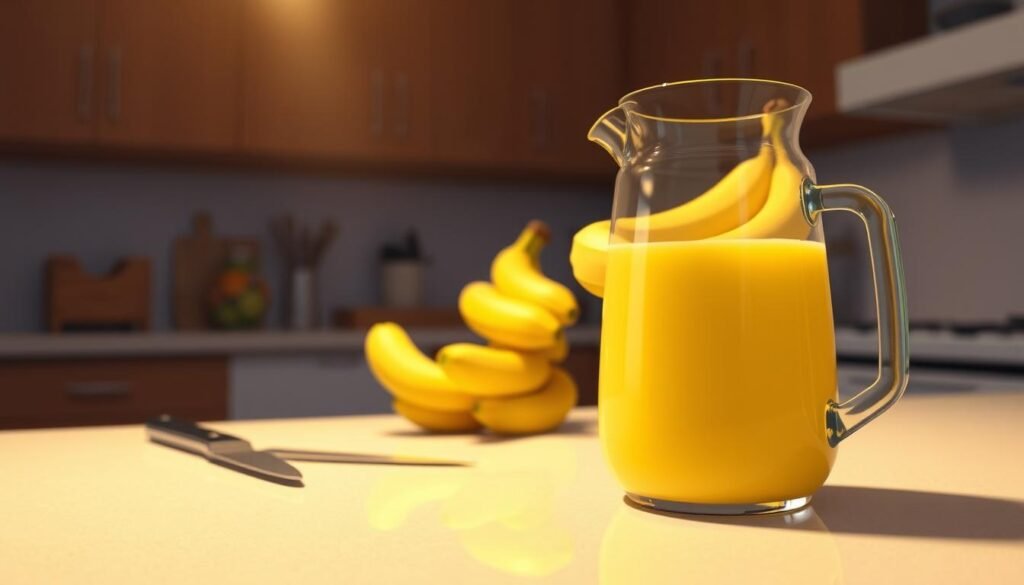
By following these steps, you’ll be able to prepare your bananas effectively for juicing, ensuring a smooth and enjoyable experience.
The Process of Making Pure Banana Juice
With just a couple of ingredients and some basic kitchen tools, you can make pure banana juice in no time. The process is simple, and by following a few straightforward steps, you can enjoy a delicious and nutritious drink.
Step-by-Step Guide to Juice Bananas
To make pure banana juice, start by gathering your ingredients and tools. You’ll need ripe bananas and a blender or juicer. Here’s a step-by-step guide:
- Peel the bananas and cut them into chunks to facilitate blending.
- Place the banana chunks into your blender or juicer.
- Blend or juice the bananas until smooth. If using a blender, you may need to stop and scrape down the sides to ensure everything gets blended evenly.
- If desired, strain the mixture to remove any fibers or pulp, depending on your texture preference.
By following these steps, you can create a delicious banana juice that’s rich in potassium and vitamins, offering numerous banana juice benefits for your health.
Tips for a Creamier Texture
Achieving a creamier texture in your banana juice can enhance the overall experience. Here are some tips:
- Use ripe bananas: The riper the bananas, the sweeter and creamier your juice will be.
- Add a splash of milk or a dairy-free alternative to give your juice a creamy texture.
- Experiment with adding a pinch of salt or a drizzle of honey to balance the flavors.
By incorporating these tips into your banana juice making process, you can enjoy a smoother and more enjoyable drink that highlights the best of how to make pure banana juice.
Adding Flavor to Your Banana Juice
Enhancing your banana juice with new flavors can make it even more enjoyable and nutritious. The versatility of banana juice allows you to experiment with a variety of ingredients to create unique and delicious flavors.
Natural Add-ins to Enhance Taste
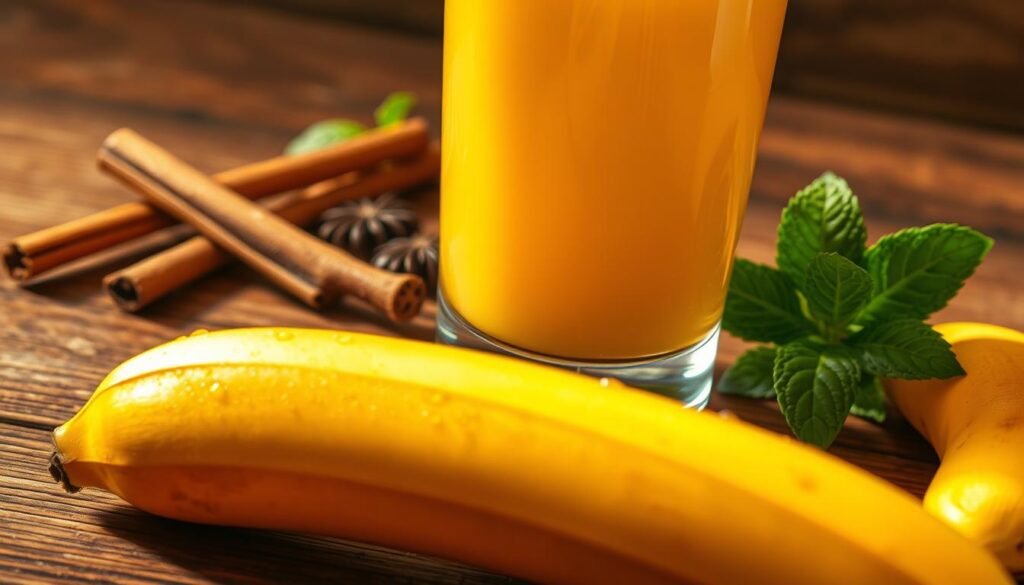
Adding natural ingredients is a great way to enhance the taste of your banana juice. Some popular options include fruits like berries or mangoes, which not only add flavor but also boost the nutritional value. You can also consider adding a sprinkle of cinnamon or a few leaves of fresh mint to give your juice a refreshing twist.
| Ingredient | Taste Effect | Nutritional Benefit |
|---|---|---|
| Berries (strawberries, blueberries) | Sweet and fruity | High in antioxidants and vitamins |
| Mango | Tropical and creamy | Rich in vitamin A and fiber |
| Cinnamon | Warm and spicy | Anti-inflammatory properties |
| Fresh Mint | Cool and refreshing | Aids digestion and freshens breath |
Sweetening Options Without Sugar
If you prefer your banana juice a bit sweeter, there are several options you can consider that don’t involve adding refined sugar. Natural sweeteners like honey and maple syrup are great alternatives. You can also use dates or a ripe pear to add sweetness without compromising on health.
- Honey: Adds a distinct flavor and has antibacterial properties.
- Maple Syrup: Rich in minerals and has a unique taste.
- Dates: Natural sweetness and high in fiber.
- Ripe Pear: Adds a smooth texture and natural sweetness.
Storing Your Pure Banana Juice
The way you store your pure banana juice can significantly impact its taste and nutritional value. Proper storage techniques are crucial for maintaining freshness and extending shelf life.
Best Practices for Refrigeration
To keep your banana juice fresh, it’s essential to store it in the refrigerator at a temperature below 40°F (4°C). Use an airtight container, such as a glass jar with a tight-fitting lid, to prevent oxidation and contamination. Refrigeration tips include keeping the juice away from strong-smelling foods, as banana juice can absorb odors easily.
How Long Does Pure Banana Juice Last?
Pure banana juice is best consumed fresh, but it can be stored for up to 24 hours in the refrigerator. The shelf life depends on factors like storage conditions and the ripeness of the bananas used. If you notice any changes in color, texture, or taste, it’s best to discard the juice. Always check for signs of spoilage before consumption.
For longer storage, consider freezing the juice in ice cube trays. This method allows you to enjoy your banana juice for up to 3 months. Simply thaw the frozen cubes in the refrigerator or at room temperature when you’re ready to use them.
Creative Uses for Pure Banana Juice
Unlock the full potential of pure banana juice by incorporating it into your favorite recipes and beyond. Pure banana juice is not just a healthy drink on its own; it’s also a versatile ingredient that can enhance a variety of dishes.
Incorporating in Smoothies and Shakes
One of the most popular uses for pure banana juice is in smoothies and shakes. It adds a creamy texture and a sweet, banana flavor that pairs well with other fruits and ingredients. Try combining it with your favorite fruits, yogurt, or milk for a quick and nutritious drink.
For a tropical twist, blend banana juice with pineapple juice, coconut milk, and a sprinkle of chia seeds. For a protein-packed shake, mix it with protein powder, almond milk, and a handful of spinach.
Using Banana Juice in Baking
Pure banana juice can also be used in baking to add moisture, flavor, and a hint of banana to your baked goods. It can be used as a substitute for some of the liquid ingredients in recipes, such as milk or water.
For example, you can use banana juice in muffin or cake recipes to enhance the flavor and texture. It pairs particularly well with ingredients like chocolate, nuts, and spices.
| Recipe | Banana Juice Usage | Benefits |
|---|---|---|
| Banana Chocolate Muffins | Replace 1/4 cup of milk with banana juice | Enhanced banana flavor, moist texture |
| Banana Nut Cake | Use banana juice instead of water | Rich banana taste, tender crumb |
| Banana Oat Bread | Add 1/2 cup of banana juice for extra moisture | Soft texture, pronounced banana flavor |
Experimenting with pure banana juice in your recipes can lead to delicious and innovative creations. Whether you’re making smoothies, shakes, or baked goods, banana juice is a valuable addition to your culinary toolkit.
Common Mistakes to Avoid
To ensure your banana juice is of the highest quality, it’s crucial to steer clear of certain pitfalls. Making pure banana juice can be a simple process, but being aware of common mistakes can make all the difference.
Common mistakes can lead to an inferior product, whether it’s due to the quality of the bananas or the method of preparation. By understanding what to avoid, you can significantly enhance your banana juice experience.
Overripe Bananas and Their Effects
Using overripe bananas is one of the most common mistakes people make when preparing banana juice. Overripe bananas can impart a strong, unpleasant flavor and a less desirable texture to your juice.
- Overripe bananas are too sweet and can make your juice overly sugary.
- They can also introduce unwanted flavors, making your juice taste fermented or unpleasantly sweet.
- Choosing bananas that are ripe but still firm will result in a better-tasting juice.
Not Straining Properly
Another critical mistake is not straining the banana juice properly. Failing to strain your juice can result in a pulpy texture that many find unappealing.
To avoid this, use a fine-mesh strainer or cheesecloth to strain your juice. This will help remove any remaining pulp and give your juice a smoother consistency.
- Strain your juice immediately after blending for the best results.
- If you prefer a clearer juice, you can strain it twice.
- Experiment with different straining methods to find what works best for you.
By being mindful of these common mistakes and following tips for making banana juice, you can create a delicious and refreshing drink that you’ll enjoy every time.
Health Considerations with Banana Juice
While banana juice is a nutritious beverage, there are some health considerations to be aware of. Banana juice can be a healthy addition to your diet, providing essential vitamins and minerals. However, like any food or drink, it’s not suitable for everyone, and certain individuals may need to be cautious about their consumption.
Potential Allergies and Intolerances
Some people may be allergic or intolerant to bananas, which can cause adverse reactions when consuming banana juice. Common symptoms include digestive issues, such as bloating, gas, or diarrhea. If you’re new to banana juice, start with a small amount to check for any adverse reactions.
In rare cases, a banana allergy can cause more severe reactions, such as hives, itching, or swelling. If you experience any of these symptoms, seek medical attention immediately.
Sugar Content: What to Know
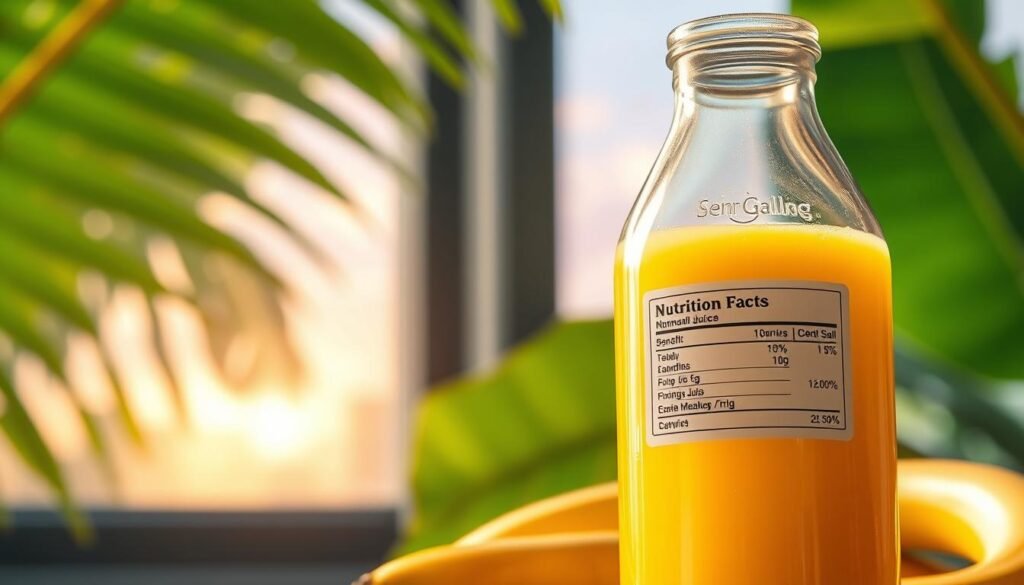
Banana juice is relatively high in natural sugars, which can be a concern for those monitoring their sugar intake. A single serving of banana juice can contain up to 20 grams of sugar.
| Nutrient | Amount per Serving | % Daily Value |
|---|---|---|
| Sugar | 20g | 40% |
| Potassium | 400mg | 10% |
| Vitamin C | 10mg | 15% |
To put this into perspective, it’s essential to balance your diet and consider the overall sugar intake from all sources. You can also consider diluting your banana juice with water or mixing it with other juices to reduce the sugar content per serving.
Variations on Pure Banana Juice
Pure banana juice is just the beginning; let’s explore some exciting variations. By combining banana juice with other fresh juices or creating tropical fruit blends, you can unlock a world of flavors and nutritional benefits.
Combining with Other Fresh Juices
One of the simplest ways to vary your banana juice is by mixing it with other fresh juices. For example, combining banana juice with orange juice creates a refreshing and tangy drink, perfect for breakfast or as a snack. You can also try pairing it with pineapple juice for a sweeter and more tropical flavor.
- Mango Madness: Blend banana juice with mango juice for a creamy and sweet treat.
- Citrus Refresher: Mix banana juice with a squeeze of fresh lime or lemon juice for a zesty twist.
- Green Boost: Combine banana juice with spinach or kale juice for a nutrient-packed green smoothie.
Tropical Fruit Blends
Tropical fruit blends offer a fantastic way to add variety to your banana juice. Consider incorporating fruits like acai berries, known for their antioxidant properties and potential health benefits, including improved heart health and enhanced cognitive function.
- Acai Berry Bliss: Blend banana juice with acai berry puree for a nutrient-rich and delicious drink.
- Tropical Temptation: Mix banana juice with pineapple, mango, and a hint of coconut milk for a creamy and indulgent treat.
- Island Fusion: Combine banana juice with papaya and a splash of citrus for a refreshing and exotic flavor.
These variations not only add excitement to your juice routine but also provide an opportunity to explore different flavors and nutritional profiles. Feel free to experiment with various combinations to find your new favorite drink.
Conclusion: Enjoying Your Pure Banana Juice
Pure banana juice is a delicious and nutritious beverage that can be enjoyed at any time of the day. By following the steps outlined in this article, you can create a refreshing drink that is rich in essential vitamins and minerals.
Best Practices for Freshness
To keep your banana juice fresh, store it in an airtight container in the refrigerator. Consume it within a day or two of making it to enjoy the best flavor and nutritional benefits. Tips for freshness include using ripe bananas, minimizing exposure to air, and keeping the juice away from strong-smelling foods.
Making Pure Banana Juice in Batches
Consider making banana juice in batches if you consume it regularly. This can save time and ensure you always have a fresh supply. Simply scale up the ingredients, follow the same preparation steps, and store the juice properly.
Enjoying banana juice is not just about the taste; it’s also about the numerous health benefits it provides. By incorporating this simple and nutritious drink into your daily routine, you can boost your energy levels and support your overall well-being.
FAQ
What is the best type of banana to use for making pure banana juice?
The best bananas to use are ripe ones, as they are sweeter and softer, making them easier to blend. You can choose either organic or conventional bananas, depending on your preference.
Can I make banana juice with unripe bananas?
While it’s technically possible, unripe bananas are starchier and less sweet, which may not yield the best flavor. Ripe bananas are recommended for the best taste.
How do I store pure banana juice to maintain its freshness?
Store your pure banana juice in an airtight container in the refrigerator. It is best consumed fresh, but it can last for up to 24 hours when stored properly.
Can I add other fruits or ingredients to my banana juice?
Yes, you can experiment with various combinations, such as adding other fresh juices or tropical fruits, to create unique flavors and enhance the nutritional value.
Are there any health considerations I should be aware of when consuming banana juice?
Yes, some individuals may have allergies or intolerances to bananas. Additionally, banana juice is relatively high in natural sugars, so moderation is advised, especially for those monitoring their sugar intake.
How can I achieve a creamier texture in my banana juice?
To achieve a creamier texture, you can add a little bit of yogurt or a dairy-free alternative, or blend the bananas with a small amount of milk or a milk substitute.
Can I use banana juice in baking and cooking?
Absolutely, banana juice can be a great addition to various recipes, adding moisture and flavor to baked goods, smoothies, and desserts.
What are some common mistakes to avoid when making banana juice?
Common mistakes include using overripe bananas, which can be too mushy and sweet, and not straining the juice properly, which can result in a pulpy texture.