

The cashew tree produces a fascinating tropical fruit that is often overlooked in favor of its more popular nut. However, the cashew apple is a delicacy in many parts of the world, offering a sweet and tangy taste experience.
This delicious fruit is not only a treat for the taste buds but also packed with nutrients and antioxidants. Originating from Brazil, the cashew tree has been cultivated in various tropical regions, making the cashew fruit a staple in many local cuisines.
In this article, we will explore the numerous benefits of the cashew fruit, from its nutritional value to its cultural significance, and discover why it’s a tropical delight worth trying.
What is Cashew Fruit?
The cashew fruit, a lesser-known relative of the cashew nut, is a tropical delight with a rich history. It is part of the cashew tree, which is native to Brazil but now cultivated in many tropical regions around the world.
Description of Cashew Fruit
The cashew fruit, also known as the cashew apple, is a vibrant and juicy fruit that grows on the cashew tree (Anacardium occidentale). It is characterized by its bright red or yellow color and is rich in vitamins, minerals, and antioxidants. The fruit is often consumed fresh or used in various culinary preparations.
Nutritional Value of the cashew fruit is significant, making it a valuable addition to a healthy diet. It is a good source of vitamin C, potassium, and other essential nutrients.
Parts of the Cashew Plant
The cashew plant consists of several parts, including the fruit, nut, and tree bark. The cashew nut, which is widely consumed, is actually a seed that grows at the end of the fruit. The fruit itself is edible and can be eaten raw or cooked.
| Part of the Plant | Description | Uses |
|---|---|---|
| Cashew Fruit | Juicy, vibrant fruit | Eaten fresh, used in recipes |
| Cashew Nut | Seed at the end of the fruit | Snacking, cooking, baking |
| Cashew Tree Bark | Bark of the cashew tree | Traditional medicine |
Origin and Cultivation
Cashew trees are native to Brazil but are now cultivated in many tropical regions, including parts of Africa and Asia. The trees thrive in warm climates with well-drained soil. Cultivation of cashew trees has become a significant agricultural activity in several countries, providing income for local communities.
The cashew fruit is an integral part of the cashew tree’s appeal, attracting attention for its nutritional benefits and culinary versatility. As global interest in exotic fruits grows, the cashew fruit is gaining popularity worldwide.
Nutritional Value of Cashew Fruit
The cashew fruit is a nutritional powerhouse, offering a rich blend of vitamins, minerals, and antioxidants. This tropical fruit is not only a delight to the taste buds but also provides numerous health benefits due to its nutrient-dense profile.
Vitamins and Minerals
Cashew fruit is an excellent source of essential vitamins and minerals. It is rich in vitamin C, which is crucial for immune function and overall health. Additionally, it contains potassium, an important mineral for heart health and blood pressure regulation.
The fruit also provides a good amount of magnesium, a mineral involved in many bodily processes, including muscle and nerve function, as well as bone health. The presence of these vitamins and minerals makes cashew fruit a valuable addition to a balanced diet.
Health-Boosting Nutrients
Beyond its vitamin and mineral content, cashew fruit contains other health-boosting nutrients. It is a good source of dietary fiber, which can help support digestive health and promote feelings of fullness. The antioxidants present in the fruit help protect against oxidative stress and may reduce the risk of chronic diseases.

Comparison to Other Tropical Fruits
When compared to other tropical fruits, cashew fruit stands out for its unique nutritional profile. The table below compares the nutritional values of cashew fruit with those of mango and pineapple, two other popular tropical fruits.
| Fruit | Vitamin C (mg) | Potassium (mg) | Fiber (g) |
|---|---|---|---|
| Cashew Fruit | 180 | 450 | 2.5 |
| Mango | 45 | 400 | 2.6 |
| Pineapple | 130 | 180 | 2.3 |
Cashew fruit is particularly notable for its high vitamin C content, making it an excellent choice for those looking to boost their immune system. Its potassium content is also comparable to that of mango, supporting heart health.
Health Benefits of Cashew Fruit
The cashew fruit is a treasure trove of health benefits, offering a unique blend of nutrients and antioxidants. Consuming cashew fruit can have a significant impact on overall health and well-being.
Antioxidant Properties
Cashew fruit is rich in antioxidants, which play a crucial role in protecting the body against free radicals. Antioxidants help in reducing oxidative stress, thereby lowering the risk of chronic diseases such as cancer, diabetes, and heart disease.
Impact on Heart Health
The cashew fruit is beneficial for heart health due to its high levels of monounsaturated and polyunsaturated fats. These healthy fats help in lowering bad cholesterol levels, reducing the risk of heart disease and stroke. Additionally, the fruit is a good source of magnesium and potassium, which are essential for maintaining healthy blood pressure.
| Nutrient | Benefit | Daily Value (%) |
|---|---|---|
| Magnesium | Supports heart health | 20% |
| Potassium | Helps lower blood pressure | 15% |
| Antioxidants | Reduces oxidative stress | N/A |
Benefits for Digestive Health
Cashew fruit is also beneficial for digestive health. It is rich in dietary fiber, which aids in promoting regular bowel movements and preventing constipation. A healthy digestive system is essential for the proper absorption of nutrients, boosting overall health.
Incorporating cashew fruit into your diet can have numerous health benefits, from supporting heart health to aiding in digestion. With its rich nutritional profile and delicious taste, cashew fruit is a great addition to a balanced diet.
Cashew Fruit
The cashew fruit, often overshadowed by its nut, is a tropical delight with a myriad of uses. While the cashew nut is widely consumed, the fruit itself is rich in nutrients and has various applications in culinary and medicinal contexts.
Nutritional Profile: The cashew fruit is rich in vitamins A and C, potassium, and magnesium. It also contains a significant amount of dietary fiber, making it a nutritious addition to a balanced diet.
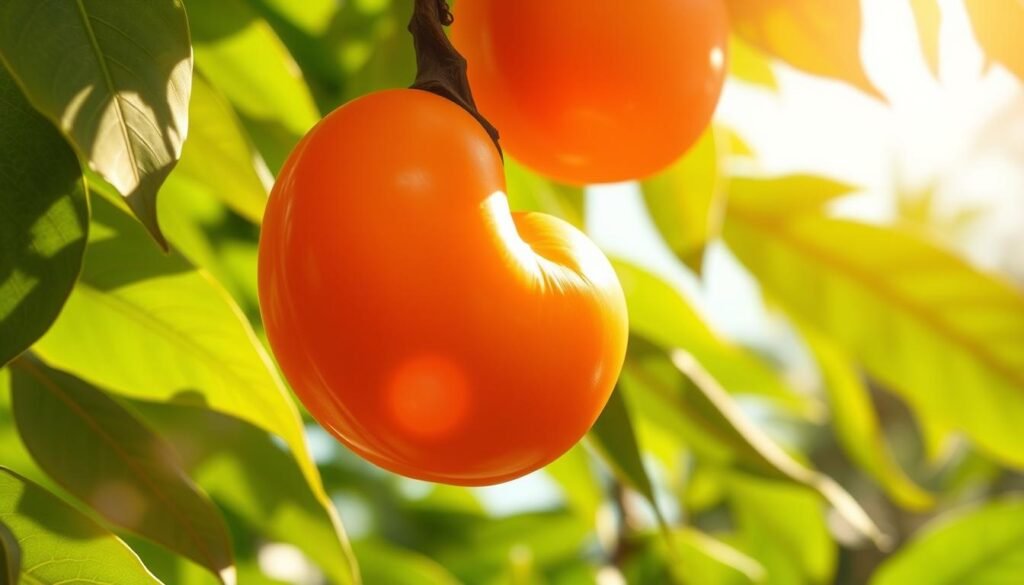
Culinary Uses: The cashew fruit can be consumed fresh, used in jams and preserves, or as a flavoring agent in various dishes. Its juice is also used to make a refreshing drink.
Here’s a comparison of the nutritional value of cashew fruit with other tropical fruits:
| Fruit | Vitamin C (mg) | Potassium (mg) | Fiber (g) |
|---|---|---|---|
| Cashew Fruit | 200 | 450 | 3 |
| Mango | 45 | 400 | 2 |
| Pineapple | 130 | 180 | 2 |
The cashew fruit’s unique flavor and nutritional profile make it a valuable resource in tropical regions. Its versatility in both culinary and medicinal applications underscores its importance.
Culinary Uses of Cashew Fruit
Cashew fruit, or cashew apple, is not just a byproduct of the cashew nut; it’s a delicious and nutritious fruit with a multitude of culinary uses. Its sweet and slightly tangy flavor makes it a versatile ingredient in various dishes, from desserts to savory meals.
Delicious Recipes Featuring Cashew Fruit
Cashew fruit can be used in a variety of recipes, showcasing its adaptability in different cuisines. Some popular dishes include:
- Cashew apple jam and preserves, which are sweet and tangy spreads perfect for toast, yogurt, or as a filling for cakes.
- Savory dishes like curries and stews, where the cashew fruit adds a unique flavor dimension.
- Desserts such as cakes, tarts, and sorbets, leveraging the fruit’s natural sweetness.
Cashew fruit’s culinary potential is vast, and its use in traditional and modern recipes continues to grow as more people discover its benefits.
How to Prepare Cashew Fruit
Preparing cashew fruit is relatively straightforward. The fruit can be consumed raw, cooked, or processed into various products. Here are some basic steps for preparation:
- Select fresh cashew apples that are firm and free from blemishes.
- Wash the fruit thoroughly to remove any dirt or wax.
- The fruit can be eaten raw, or it can be cooked in a variety of ways, such as boiling or roasting.
- For jam or preserves, cook the cashew apples with sugar and pectin (optional) until they reach the desired consistency.
Regional Dishes and Traditions
Cashew fruit is a staple in many regional cuisines, particularly in areas where cashew trees are commonly cultivated. In India, for example, cashew apples are used to make feni, a traditional alcoholic beverage. In other regions, cashew fruit is incorporated into local dishes, adding its unique flavor to traditional recipes.
The use of cashew fruit in regional dishes not only highlights its culinary versatility but also underscores its cultural significance in various parts of the world.
The Cashew Nut vs. Cashew Fruit
While many are familiar with cashew nuts, the cashew fruit is a lesser-known but equally valuable part of the cashew tree. The cashew tree, native to Brazil and Southeast Asia, produces both the cashew nut and the cashew fruit, each with its unique characteristics and uses.
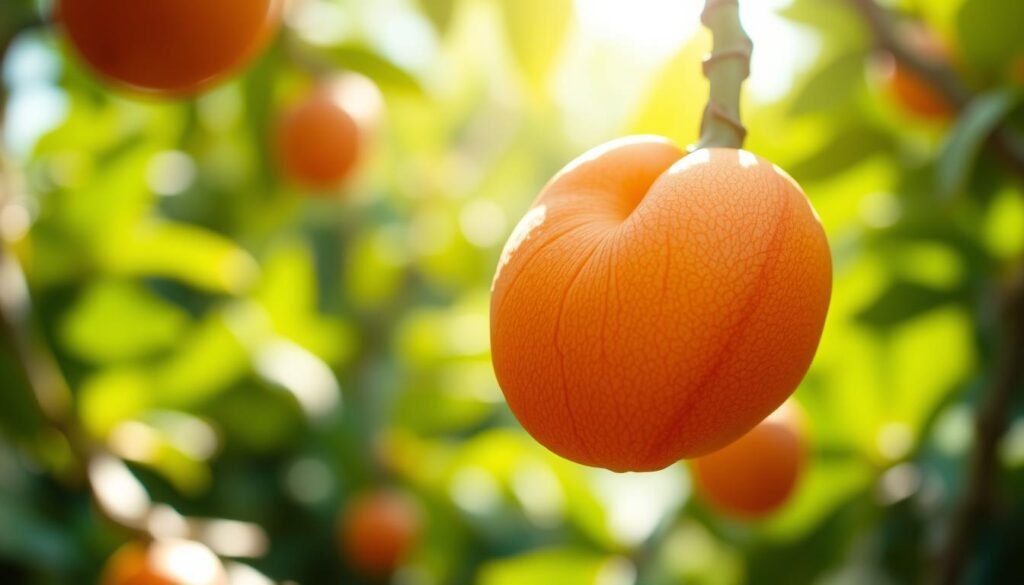
Differences Between the Nut and Fruit
The cashew nut is the seed of the cashew tree, harvested from the end of the cashew apple (cashew fruit). The nut is widely consumed roasted or used in various recipes. On the other hand, the cashew fruit, also known as the cashew apple, is a sweet, juicy, and edible fruit that is often overlooked.
The cashew nut is rich in healthy fats, protein, and fiber, making it a popular snack. In contrast, the cashew fruit is rich in vitamins, minerals, and antioxidants, offering a refreshing and nutritious beverage or ingredient for various dishes.
How They are Used
Cashew nuts are commonly used in cooking and as a snack, often roasted or salted. They are a key ingredient in many recipes, from savory dishes to desserts. The cashew fruit, while less commonly consumed globally, is used in local cuisines in regions where cashew trees are cultivated. It can be eaten raw, used to make juices, or incorporated into traditional dishes.
- Cashew nuts are used in baking and cooking.
- Cashew fruit is used to make juices and jams.
- Both are used in traditional medicine in various cultures.
Nutritional Comparisons
Both the cashew nut and cashew fruit are nutritious, but they offer different nutritional benefits. The cashew nut is high in healthy fats and protein, while the cashew fruit is rich in vitamin C and antioxidants.
| Nutrient | Cashew Nut | Cashew Fruit |
|---|---|---|
| Protein | High | Low |
| Healthy Fats | High | Low |
| Vitamin C | Low | High |
Understanding the nutritional differences between the cashew nut and cashew fruit can help individuals make informed choices about their diet, appreciating the unique benefits of each.
Growing Cashew Fruit at Home
Cashew trees, known for their versatility and nutritional benefits, can be grown at home under the right conditions, making them a fascinating addition to any home garden. To successfully cultivate cashew trees, it’s essential to understand their specific needs.
Ideal Conditions for Cultivation
Cashew trees thrive in tropical climates with well-drained soil. They require full sun and a warm temperature range between 64°F and 90°F (18°C and 32°C). The soil should be slightly acidic to neutral, with a pH between 5.5 and 7.0.
Key Conditions for Cashew Tree Growth:
- Full sun exposure
- Warm temperatures
- Well-drained, slightly acidic soil
Common Pests and Diseases
Cashew trees are susceptible to various pests and diseases, including the cashew nut shell liquid (CNSL) beetle, tea mosquito bug, and fungal infections like anthracnose. Regular monitoring and integrated pest management strategies can help mitigate these issues.
| Pest/Disease | Description | Management Strategy |
|---|---|---|
| CNSL Beetle | Beetles that damage cashew nuts | Use of resistant varieties and proper sanitation |
| Tea Mosquito Bug | Insects that feed on sap, causing damage | Application of insecticides and biological control |
| Anthracnose | Fungal disease causing leaf and fruit damage | Fungicide application and removal of infected parts |
Harvesting Tips
Cashew fruit is typically ready for harvest between February and May, depending on the variety and climate. The fruit should be picked when it’s fully ripe and has a sweet, slightly tart taste. Care should be taken during harvesting to avoid damaging the fruit or the tree.
By understanding and providing the ideal conditions for cashew trees, managing common pests and diseases, and following proper harvesting techniques, you can successfully grow cashew fruit at home. This not only provides a fresh source of nutritious fruit but also adds a unique element to your home garden.
Cashew Fruit in Popular Culture
The cultural significance of cashew fruit extends beyond its nutritional benefits, playing a vital role in cuisine and festivals worldwide. This versatile fruit is not only a staple in many tropical regions but also an integral part of various cultural traditions.
Cashew Fruit in Cuisine Around the World
Cashew fruit is used in a variety of dishes across different cultures. In India, it’s used to make feni, a traditional liquor, while in Brazil, it’s enjoyed fresh or used in desserts and jams. The fruit’s sweet and slightly acidic taste makes it a popular ingredient in many recipes.
Some popular cashew fruit recipes include:
- Cashew fruit chutney, a condiment commonly served with Indian dishes
- Cashew fruit jam, a sweet spread enjoyed in many tropical countries
- Cashew fruit juice, a refreshing beverage rich in vitamins and minerals
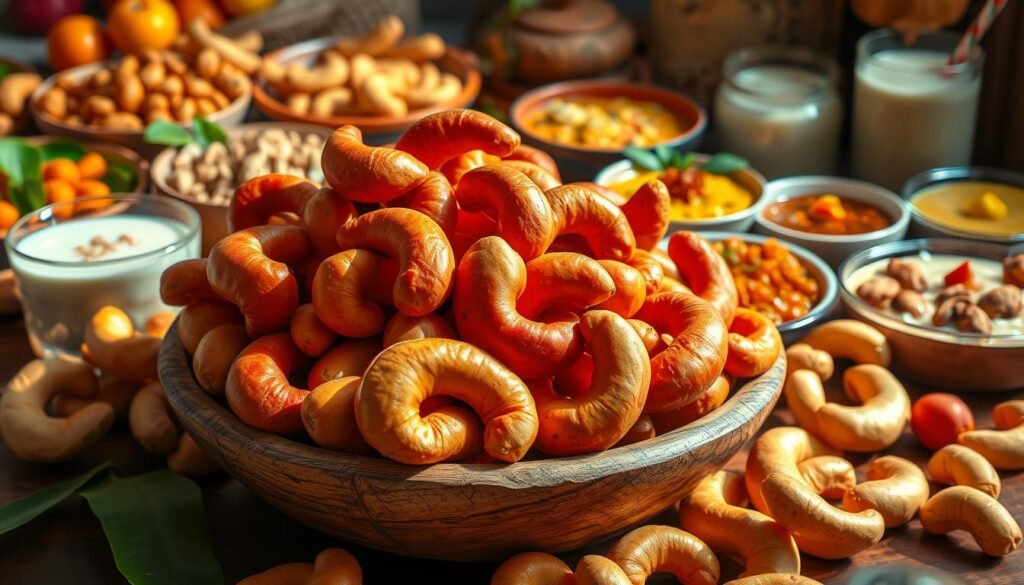
Cultural Significance of Cashew Fruit
The cashew fruit holds significant cultural value in many societies. In some African countries, it’s considered a symbol of fertility and prosperity. The fruit is also used in traditional medicine, with various parts of the cashew tree being used to treat different ailments.
| Culture | Significance of Cashew Fruit |
|---|---|
| Indian | Used in traditional liquor and various culinary dishes |
| Brazilian | Enjoyed fresh or used in desserts and jams |
| African | Symbolizes fertility and prosperity |
The Role of Cashew Fruit in Festivals
Cashew fruit plays a significant role in various cultural festivals. In some regions, it’s used as an offering to deities during religious ceremonies. The fruit is also a key ingredient in traditional festival foods, adding to the festive atmosphere.
For example, in some parts of India, cashew fruit is used to make a special sweet dish during the Diwali celebrations. Similarly, in Brazil, cashew fruit juice is a popular beverage during the Carnival festivities.
Environmental Impact of Cashew Fruit Farming
Cashew fruit farming, while economically beneficial, poses several environmental challenges that require sustainable solutions. The cultivation of cashew trees affects the environment in various ways, depending on the farming practices employed.
Sustainability of Cashew Plantations
Cashew plantations can be sustainable if managed properly. They have a positive impact on the environment when practices like crop rotation, organic farming, and biodiversity conservation are adopted. Sustainable cashew farming not only helps in maintaining soil health but also supports local ecosystems.
The sustainability of cashew plantations is also influenced by factors like land use changes and water management. For instance, converting natural habitats into cashew plantations can lead to biodiversity loss. However, with careful planning and management, cashew farming can coexist with natural ecosystems.
Effects on Local Ecosystems
The impact of cashew farming on local ecosystems can be both positive and negative. On the positive side, cashew trees provide shade, which can help in maintaining soil moisture and supporting other plant species. However, large-scale cashew farming can lead to deforestation and habitat destruction.
| Impact | Description | Mitigation Strategy |
|---|---|---|
| Deforestation | Clearing land for cashew plantations | Adopt agroforestry practices |
| Water Pollution | Use of chemicals in farming | Implement organic farming methods |
| Biodiversity Loss | Habitat destruction due to monoculture | Promote biodiversity conservation |
Methods for Eco-Friendly Cashew Farming
Eco-friendly cashew farming involves practices that minimize environmental degradation. Some of these methods include using organic fertilizers, implementing efficient irrigation systems, and promoting biodiversity within the plantation.
Farmers can also adopt integrated pest management (IPM) techniques to reduce the use of chemical pesticides. Additionally, certifications like organic or Fairtrade can encourage sustainable practices by providing market incentives.
By adopting these eco-friendly methods, cashew farmers can reduce their environmental footprint while maintaining the productivity and quality of their cashew fruit and nuts.
Conclusion: Embracing the Cashew Fruit
Cashew fruit is a tropical delight that offers numerous health benefits, culinary uses, and cultural significance. With its rich nutritional profile, including vitamins, minerals, and antioxidants, cashew fruit is a valuable addition to a healthy diet.
Nutritional and Culinary Significance
The cashew fruit’s nutritional benefits are complemented by its versatility in culinary applications. From jams and preserves to savory dishes, cashew fruit can be used in a variety of recipes, making it a great ingredient for adventurous cooks.
Exploring Cashew Fruit
By embracing cashew fruit, individuals can experience its unique flavor and nutritional benefits while appreciating its cultural significance. Whether you’re looking to incorporate cashew fruit into your diet or simply learn more about this tropical delight, there’s no denying the appeal of this nutritious and versatile fruit.
With its numerous benefits and uses, cashew fruit is definitely worth trying. So, explore the world of cashew fruit and discover its many advantages for yourself, enjoying the cashew benefits and cashew fruit nutrition that make it a valuable addition to a healthy lifestyle.
FAQ
What is the cashew fruit, and how is it related to the cashew nut?
The cashew fruit, also known as the cashew apple, is a tropical fruit that grows on the cashew tree. It is related to the cashew nut, which is actually a seed that grows at the end of the fruit. The cashew fruit and nut are both edible and offer unique nutritional benefits.
What are the nutritional benefits of cashew fruit?
Cashew fruit is rich in vitamins, minerals, and antioxidants, making it a nutrient-dense fruit. It is an excellent source of vitamin C, potassium, and magnesium, among other essential nutrients.
How can I use cashew fruit in cooking?
Cashew fruit is a versatile ingredient that can be used in a variety of dishes, from sweet treats like jams and desserts to savory meals like salads and stir-fries. It can be eaten raw, cooked, or juiced, making it a great addition to many recipes.
What is the difference between cashew nut and cashew fruit in terms of nutritional value?
While both the cashew nut and fruit are nutritious, they have different nutritional profiles. Cashew nuts are high in healthy fats and protein, whereas cashew fruit is rich in vitamins, minerals, and antioxidants.
Can I grow cashew trees at home?
Yes, cashew trees can be grown at home in tropical regions with suitable climates. To grow cashew trees, you need to provide ideal conditions, including well-drained soil and full sun. Regular maintenance, including pest and disease management, is also crucial.
What are the environmental impacts of cashew fruit farming?
Cashew fruit farming can have both positive and negative environmental impacts. While it can provide income for local communities, it can also lead to deforestation and water pollution if not managed sustainably. Eco-friendly farming methods, such as organic farming and agroforestry, can help minimize the environmental footprint.
How is cashew fruit used in different cultures?
Cashew fruit is used in various ways in different cultures, including as a fresh fruit, in jams and preserves, or as an ingredient in traditional dishes. It is also used in festivals and celebrations in some cultures, reflecting its cultural significance.
What are some common pests and diseases that affect cashew trees?
Cashew trees are susceptible to various pests and diseases, including fungal infections, insect infestations, and nutritional deficiencies. Regular monitoring and maintenance, including the use of organic pest control methods, can help prevent and manage these issues.