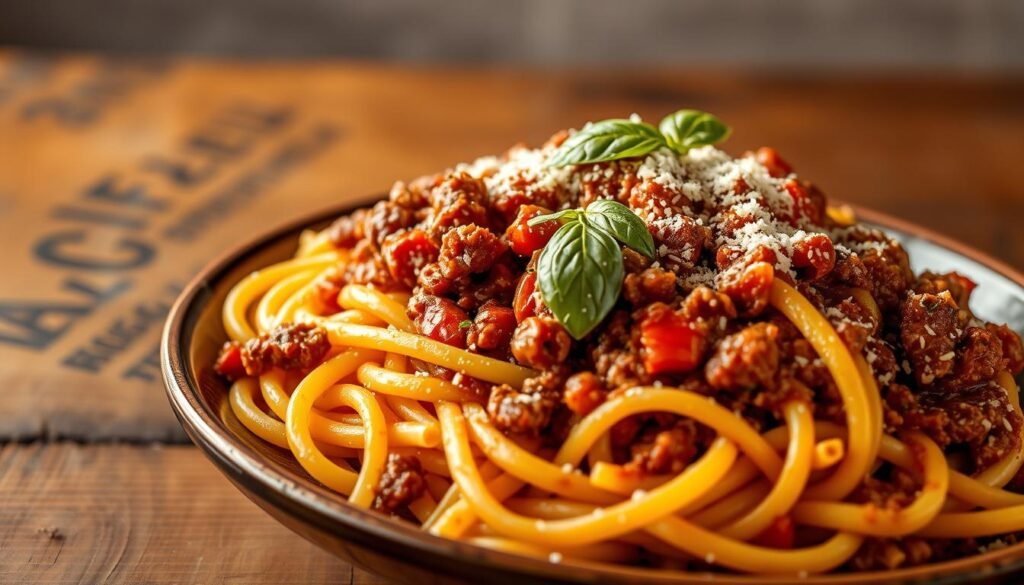
Pasta lovers, rejoice! Imagine a rich, meaty sauce clinging to every strand of pasta, a dish so comforting it becomes an instant favorite. Brisket Bolognese is that dish, a creative twist on the classic Italian comfort food.
This hearty, flavorful pasta dish is perfect for a chilly evening or a special occasion. By slow-cooking brisket in a rich tomato sauce, you create a tender, fall-apart texture that’s simply irresistible.
Discover the joy of Brisket Bolognese, a culinary delight that will soon become a staple in your kitchen.
What is Brisket Bolognese?
Brisket Bolognese is a hearty, flavorful pasta dish that combines the richness of slow-cooked brisket with the classic Italian flavors of homemade pasta sauce. This innovative twist on traditional Bolognese sauce is sure to delight pasta lovers and adventurous cooks alike.
Origin and History
Bolognese sauce, also known as ragù alla bolognese, originates from Bologna, Italy. The traditional recipe has been a staple of Italian cuisine since the 19th century, with its rich flavor profile and versatility making it a favorite worldwide. The introduction of slow-cooked brisket into this classic sauce represents a modern adaptation, blending Italian tradition with international flavors.
The use of brisket in Bolognese sauce is an evolution that caters to those seeking a heartier, more robust flavor. Slow-cooking the brisket until it’s tender and falls apart easily integrates perfectly with the long-simmered characteristics of traditional Bolognese.
Key Ingredients
The key to a great Brisket Bolognese lies in its ingredients. The primary components include:
- Slow-cooked brisket, which adds a tender, meaty texture
- Homemade pasta sauce, made with crushed tomatoes, onions, carrots, celery, and sometimes red wine
- Aromatics like garlic and onions, which enhance the depth of flavor
- Herbs such as basil and oregano, adding freshness and complexity
These ingredients come together to create a rich, layered sauce that’s both comforting and sophisticated.
Differences from Traditional Bolognese
While Brisket Bolognese builds upon the foundation of traditional Bolognese sauce, there are significant differences. The most notable is the use of slow-cooked brisket instead of ground meats like beef, pork, or a combination of the two. This substitution gives Brisket Bolognese a distinct texture and flavor profile.
Another difference lies in the cooking technique. Slow-cooking the brisket requires patience and time, but the result is a tender, flavorful meat that melds with the pasta sauce beautifully. This contrasts with the quicker cooking time of ground meats in traditional Bolognese.
Why Choose Brisket for Bolognese?
When it comes to crafting a rich and satisfying beef bolognese sauce, the choice of meat is crucial, and brisket stands out as an exceptional option. The decision to use brisket is backed by its numerous benefits, which enhance the overall quality of the dish.
Flavor Profile
Brisket brings a deep, rich flavor to the Bolognese sauce, thanks to its higher fat content compared to other cuts of beef. This richness is a key component of a hearty pasta recipe, as it coats the pasta beautifully and leaves a satisfying aftertaste.
The slow-cooking process involved in making Bolognese sauce allows the brisket to break down and infuse the sauce with its flavors, creating a complex and layered taste experience.
Tenderness and Texture
One of the significant advantages of using brisket is its potential to become incredibly tender with the right cooking method. When slow-cooked, brisket falls apart easily, adding a desirable texture to the sauce.
This tenderness not only enhances the eating experience but also makes the dish more comforting and satisfying, aligning perfectly with the expectations of a beef bolognese sauce.
Cooking Benefits
Cooking brisket for Bolognese sauce is relatively straightforward, as it benefits from long, slow cooking, which is typical for this type of sauce. This method ensures that the brisket is tender and fully incorporated into the sauce.
Moreover, brisket is quite forgiving if slightly overcooked, as it remains tender and flavorful, making it an ideal choice for those new to cooking Bolognese sauce.
| Benefits | Description | Impact on Dish |
|---|---|---|
| Rich Flavor Profile | Brisket adds depth and complexity to the sauce. | Enhances the overall taste experience. |
| Tender Texture | Slow-cooking makes brisket tender and easily shredded. | Adds comfort and satisfaction to the meal. |
| Cooking Ease | Brisket benefits from slow cooking, making it hard to overcook. | Makes the cooking process more forgiving and accessible. |
How to Prepare Brisket Bolognese
The key to a great Brisket Bolognese lies in its slow-cooked brisket and rich sauce. This traditional Italian dish is perfect for a cozy dinner, and with the right techniques, you can achieve tender brisket and a deep, satisfying sauce.
Essential Cooking Techniques
To make a delicious Brisket Bolognese, you’ll need to master a few essential cooking techniques. First, browning the brisket is crucial for developing the flavor. This step should be done carefully to achieve a nice crust on the meat.
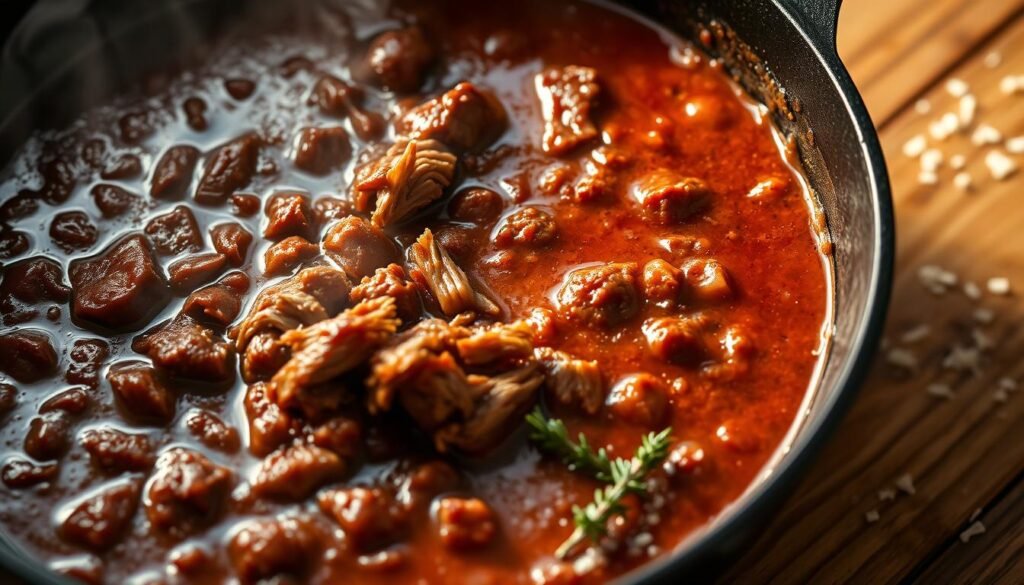
Another important technique is slow cooking. Using a slow cooker or a Dutch oven, you can cook the brisket until it’s tender and easily shreds with a fork. This process can take several hours, but it’s worth the wait.
Step-by-Step Recipe
Here’s a simple step-by-step recipe to guide you through making Brisket Bolognese:
- Brown the brisket in a pan with some oil until it’s nicely crusted on all sides.
- Add aromatics like onions, carrots, and celery, and cook until they’re softened.
- Add tomatoes, tomato paste, and broth, and bring the mixture to a simmer.
- Transfer the mixture to a slow cooker or Dutch oven and cook on low for 8-10 hours.
- Shred the brisket and combine it with cooked pasta, serving the sauce over the top.
Cooking Time and Serving Suggestions
Cooking time is a crucial factor in making Brisket Bolognese. The brisket needs to be cooked for at least 8 hours to become tender. You can serve the dish immediately, garnished with fresh parsley and Parmesan cheese.
For leftovers, the sauce can be refrigerated or frozen for later use. Reheating the sauce gently will help preserve its flavors and texture.
Ingredients You’ll Need
The foundation of a great Brisket Bolognese lies in its ingredients, which include high-quality brisket and fresh vegetables. To create this savory meat sauce, you’ll need to gather a few essential components.
High-Quality Brisket
The star of Brisket Bolognese is, of course, the brisket. Opt for a well-marbled brisket flat cut, as it provides the best balance of flavor and tenderness. A good brisket will make all the difference in your homemade pasta sauce.
Aromatics and Vegetables
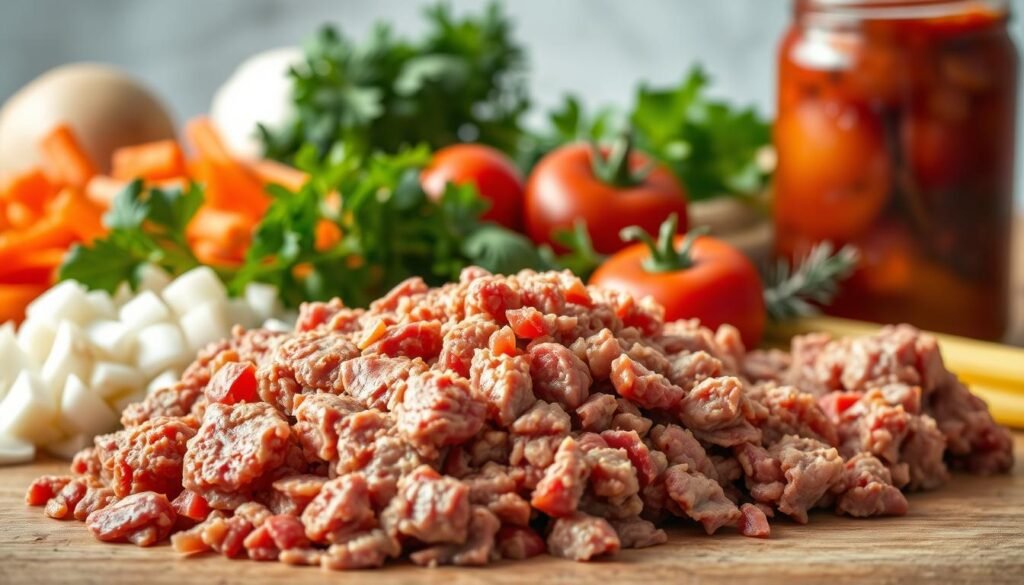
Aromatics such as onions, carrots, and celery form the backbone of the sauce, adding depth and complexity. Fresh vegetables like tomatoes and mushrooms enhance the flavor profile, making your Brisket Bolognese rich and satisfying.
Herbs and Seasonings
To bring out the flavors in your Brisket Bolognese, you’ll need a selection of herbs and seasonings. Bay leaves, thyme, and oregano are essential for creating a well-rounded taste. Don’t forget to season with salt, pepper, and a touch of red wine for added depth.
By combining these ingredients, you’ll be able to craft a delicious Brisket Bolognese that’s perfect for serving with your favorite pasta.
Cooking Equipment Required
Preparing Brisket Bolognese involves more than just ingredients; it also requires the right cooking gear. Having the appropriate equipment can make a significant difference in the outcome of your dish.
Essential Kitchen Tools
To start, you’ll need some basic kitchen tools. A large cutting board is necessary for chopping the brisket and vegetables. A sharp knife is also essential for precise cuts. Additionally, a wooden spoon or silicone spatula will be useful for stirring and mixing the sauce.
Recommended Cookware
The right cookware can enhance the flavor and texture of your Brisket Bolognese. A large Dutch oven or heavy pot is ideal for slow-cooking the brisket and sauce. This type of cookware distributes heat evenly, ensuring that the brisket becomes tender and the sauce rich and flavorful.
Optional Gadgets
While not necessary, some gadgets can simplify the cooking process. A slow cooker can be used to cook the brisket low and slow, making it tender and easy to shred. An immersion blender can also be handy for blending the sauce directly in the pot, reducing cleanup and effort.
| Equipment | Purpose |
|---|---|
| Large Cutting Board | Chopping brisket and vegetables |
| Sharp Knife | Precise cutting of ingredients |
| Wooden Spoon/Silicone Spatula | Stirring and mixing the sauce |
| Large Dutch Oven/Heavy Pot | Slow-cooking brisket and sauce |
| Slow Cooker | Cooking brisket low and slow |
| Immersion Blender | Blending sauce directly in the pot |
Tips for the Best Brisket Bolognese
To achieve the best Brisket Bolognese, it’s essential to understand the nuances of slow-cooked brisket. A slow-cooked brisket transforms into a tender, flavorful component that elevates the entire dish.
Choosing the Right Brisket Cut
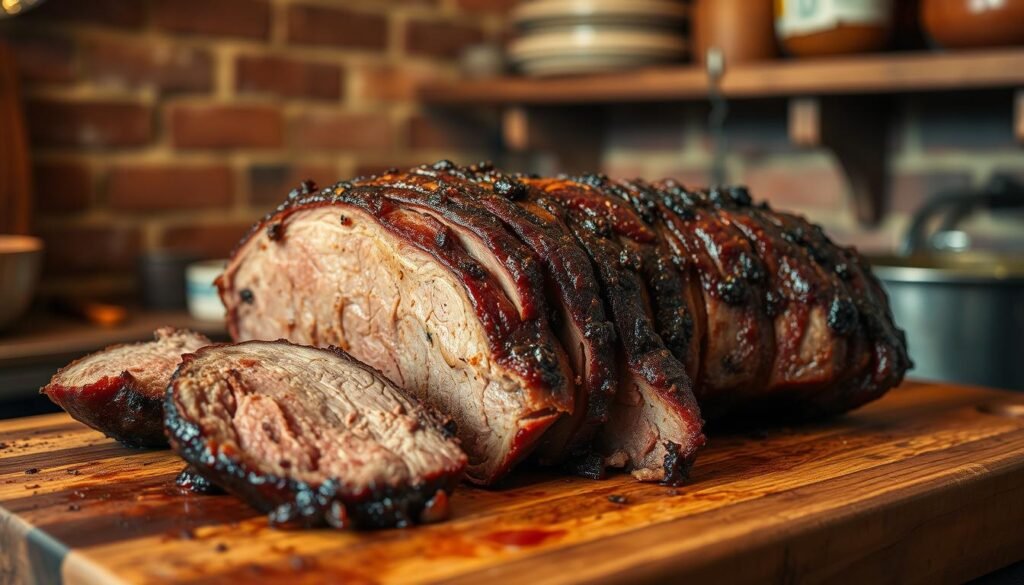
Selecting the appropriate brisket cut is crucial for a tender and flavorful Bolognese sauce. The flat cut is often preferred for its leaner meat and uniform thickness, making it cook more evenly. However, the point cut, with its richer flavor due to the higher fat content, can also be used for a more indulgent sauce.
Time Management Tips
Managing your time effectively is vital when preparing Brisket Bolognese. The brisket needs to be slow-cooked for several hours to achieve the desired tenderness.
Plan your cooking schedule accordingly, and consider using a slow cooker or Instant Pot to simplify the process. Additionally, prepare your ingredients in advance. Chop the vegetables and herbs the day before to save time on the actual cooking day.
Enhancing Flavors
To enhance the flavors of your Brisket Bolognese, use a combination of aromatics, herbs, and seasonings. Caramelizing the onions and browning the brisket are crucial steps that add depth to the sauce.
Don’t hesitate to experiment with different herbs and spices to find the perfect balance of flavors. Using high-quality ingredients, such as fresh tomatoes or a good red wine, can also significantly impact the overall taste of the dish.
Pairing Suggestions
The rich flavor of Brisket Bolognese makes it a perfect candidate for exploring different pairing options. To fully enjoy this hearty, flavorful pasta dish, it’s crucial to consider the right accompaniments.
Pasta Choices
Brisket Bolognese can be paired with various pasta types, each offering a unique dining experience. Some popular choices include:
- Pappardelle: Wide, flat noodles that complement the rich beef bolognese sauce.
- Tagliatelle: A classic Italian pasta that pairs well with the tender brisket.
- Spaghetti: A traditional choice that works well with the hearty bolognese.
Best Wines to Accompany
Selecting the right wine can enhance the flavors of Brisket Bolognese. Here are some wine pairing suggestions:
| Wine Type | Description |
|---|---|
| Chianti | A medium-bodied Italian red wine that complements the bold flavors. |
| Barbera | A light-bodied Italian red wine with good acidity, pairing well with brisket. |
| Dolcetto | A fruity and approachable Italian red wine that works well with the rich sauce. |
Recommended Side Dishes
To complete the meal, consider adding some side dishes that complement Brisket Bolognese:
- Garlic Bread: A classic Italian-American side that pairs well with the bolognese.
- Roasted Vegetables: Vegetables like broccoli or asparagus roasted with olive oil and herbs.
- Green Salad: A simple salad with a light vinaigrette to cut the richness.
By considering these pairing suggestions, you can elevate your Brisket Bolognese dining experience, making it a truly satisfying and traditional Italian dish.
Serving Ideas for Brisket Bolognese
Elevate your dining experience with Brisket Bolognese by exploring different serving suggestions. This hearty, flavorful pasta dish can be presented and paired in various ways to suit any occasion.
Presentation Tips
To make your Brisket Bolognese visually appealing, consider the following presentation tips:
- Use a generous serving of freshly grated Parmesan cheese on top.
- Garnish with fresh parsley or basil leaves for a pop of color.
- Serve with a side of garlic bread or crusty bread for a satisfying meal.
Presenting your dish in an attractive manner can enhance the overall dining experience, making it more enjoyable for your guests.
Meal Prep and Leftovers
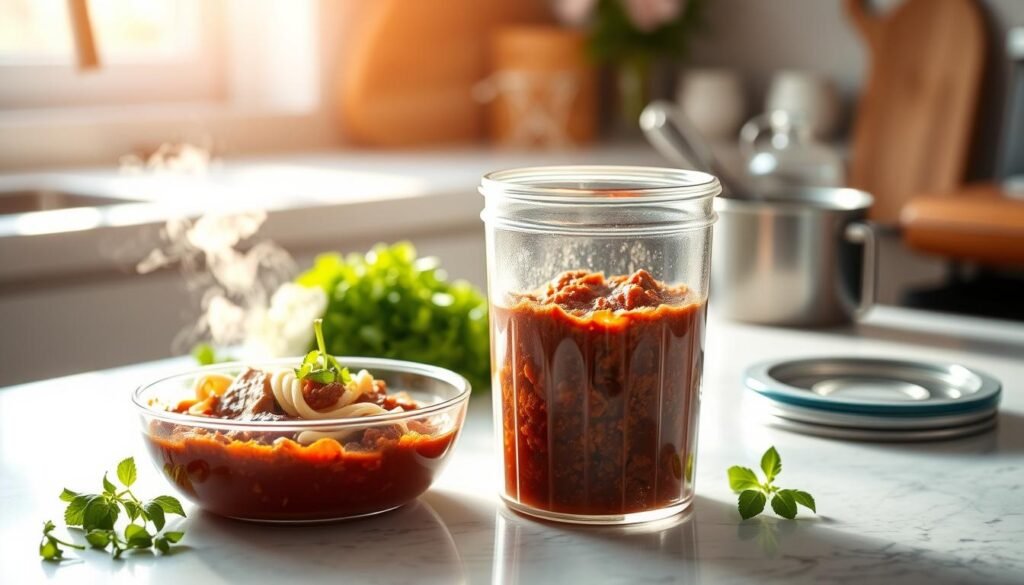
Brisket Bolognese is an excellent candidate for meal prep, as it can be cooked in advance and refrigerated or frozen for later use. When reheating, simply warm the sauce over low heat and cook your pasta according to the package instructions.
To make meal prep even more efficient, consider portioning out individual servings into containers. This way, you can easily grab a serving and go, making it perfect for busy weeknights.
Customizing Portions
One of the advantages of Brisket Bolognese is its versatility in serving sizes. Whether you’re cooking for one or hosting a dinner party, you can easily adjust the portion sizes to suit your needs.
For a larger gathering, consider doubling or tripling the recipe. For a smaller meal, simply halve the ingredients. This flexibility makes Brisket Bolognese a great option for any occasion.
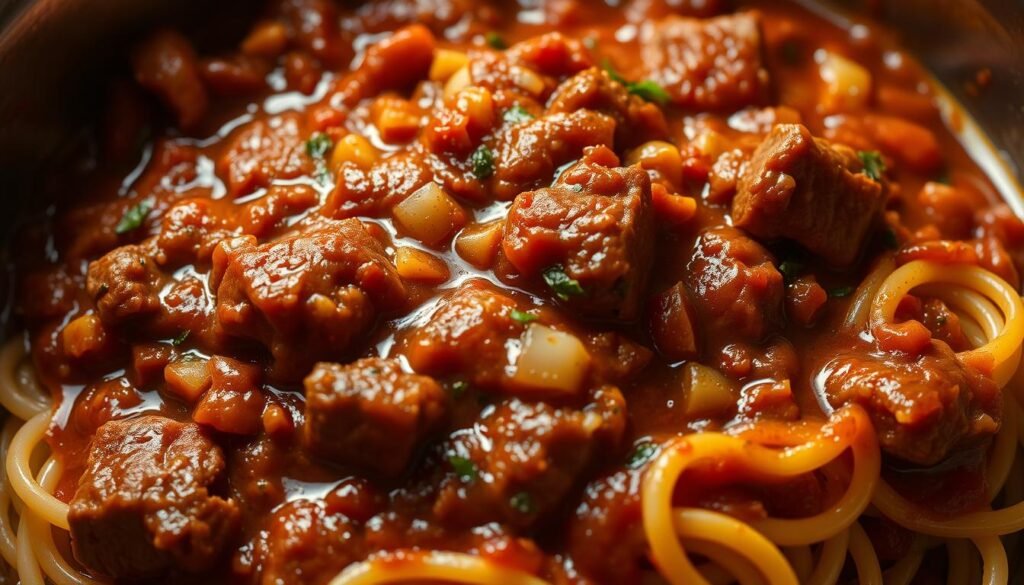
By incorporating these serving ideas and tips, you can make the most of your Brisket Bolognese and enjoy a delicious, stress-free meal. The savory meat sauce and slow-cooker brisket make this dish a standout, and with a little creativity, you can elevate it to new heights.
Variations of Brisket Bolognese
With Brisket Bolognese, the possibilities are endless, allowing home cooks to experiment with numerous variations. This hearty, flavorful pasta dish can be modified to suit different tastes and dietary preferences, making it a versatile option for any meal.
Adding Vegetables
One way to enhance Brisket Bolognese is by adding a variety of vegetables. Incorporating sautéed mushrooms, bell peppers, or zucchini can add texture and flavor to the dish. For instance, adding a cup of sliced mushrooms during the sautéing process can enrich the sauce with earthy tones, creating a more complex homemade pasta sauce.
Roasted vegetables can also be blended into the sauce for added depth. This approach not only enhances the flavor but also increases the nutritional value of the meal, making it a satisfying Italian comfort food.
Spicy Versions
For those who enjoy a bit of heat, Brisket Bolognese can be transformed into a spicy version by incorporating ingredients like red pepper flakes or diced jalapeños. Adding a teaspoon of red pepper flakes during the simmering process can give the sauce a subtle kick, while diced jalapeños can add a more pronounced heat.
This variation is perfect for those who like to experiment with different levels of spiciness in their homemade pasta sauce. It’s a simple way to add a new dimension to this classic Italian comfort food dish.
Different Pasta Types
Brisket Bolognese is traditionally served with certain types of pasta, but it’s also delicious with other varieties. Trying it with spaghetti, pappardelle, or even rigatoni can offer a new experience. The key is to choose a pasta shape that holds the sauce well, ensuring each bite is flavorful.
Experimenting with different pasta types can help you find your favorite way to enjoy Brisket Bolognese, making it a staple in your culinary repertoire. Whether you’re in the mood for a classic combination or something new, this dish is sure to satisfy your craving for Italian comfort food.
Storage and Reheating Tips
To enjoy your Brisket Bolognese over time, it’s essential to store and reheat it properly. This ensures that the dish remains flavorful and safe to eat.
Proper Storage Methods
After cooking, let the Brisket Bolognese cool down to room temperature before storing it. Use airtight containers to prevent moisture and other flavors from affecting the dish. You can store it in the refrigerator for up to 3-4 days.
Refrigeration Tips: When refrigerating, keep the container away from strong-smelling foods, as Brisket Bolognese can absorb odors easily.
Safe Reheating Tips
When reheating, make sure the Brisket Bolognese reaches a minimum internal temperature of 165°F (74°C) to ensure food safety. You can reheat it on the stovetop or in the microwave.
- Stovetop Reheating: Heat it over low-medium heat, stirring occasionally.
- Microwave Reheating: Cover the container and heat in short intervals, stirring between each heating.
Freezing for Later Use
Brisket Bolognese can be frozen for longer storage. Use freezer-safe containers or freezer bags, and label them with the date. It can be stored for up to 3 months in the freezer.
Freezer Tip: When you’re ready to eat it, thaw the frozen Brisket Bolognese overnight in the refrigerator before reheating.
Common Mistakes to Avoid
Brisket Bolognese can be a culinary delight if you steer clear of a few common pitfalls. Achieving a rich, flavorful beef bolognese sauce requires attention to detail and a bit of know-how.
Overcooking the Brisket
One of the most significant mistakes when making Brisket Bolognese is overcooking the slow-cooked brisket. Brisket can become tender and flavorful with the right cooking time, but overcooking can make it tough and dry.
To avoid this, it’s essential to monitor the brisket’s temperature and texture closely. Using a meat thermometer can help ensure that the brisket is cooked to the perfect level of tenderness.
Balancing Flavors
Another critical aspect of making great Brisket Bolognese is balancing the flavors. The beef bolognese sauce should be rich and savory, with a depth of flavor that comes from the slow-cooked brisket and aromatics.
A common mistake is not allowing the sauce to simmer long enough, resulting in a lack of depth. To avoid this, let the sauce cook for at least a few hours, stirring occasionally, to allow the flavors to meld together.
Pasta Cooking Errors
Cooking the pasta correctly is also crucial. Overcooking can lead to a mushy texture that doesn’t hold up well to the hearty beef bolognese sauce.
To achieve perfectly cooked pasta, follow the package instructions and check the pasta frequently towards the end of the cooking time. It’s also a good idea to reserve some pasta water before draining, as this can be used to adjust the sauce’s consistency.
Conclusion: Embracing Brisket Bolognese
Brisket Bolognese is a hearty twist on the traditional Italian dish, elevating the classic savory meat sauce to new heights. By incorporating tender brisket, this variation adds depth and complexity to the familiar flavors.
Exploring New Flavors
The beauty of Brisket Bolognese lies in its versatility. Feel free to experiment with different ingredients and techniques to make the dish your own. Whether you’re adjusting the seasoning or adding unique vegetables, the possibilities are endless.
Sharing Your Creations
As you master the art of Brisket Bolognese, we encourage you to share your experiences and variations with others. This savory meat sauce is sure to become a staple in your kitchen, and by sharing your creations, you can inspire others to try their hand at this delicious traditional Italian dish.
FAQ
What is Brisket Bolognese?
Brisket Bolognese is a hearty, flavorful pasta dish made with slow-cooked brisket, homemade pasta sauce, and Italian-inspired aromatics, offering a twist on the traditional Bolognese sauce.
How do I choose the right brisket for Brisket Bolognese?
For Brisket Bolognese, choose a high-quality brisket cut, such as a flat cut or a point cut, that is well-marbled for tender, flavorful results.
Can I use other types of meat instead of brisket?
While brisket is recommended for its rich flavor and tender texture, you can experiment with other slow-cooking meats like beef short ribs or chuck roast, but the flavor profile may vary.
How long does it take to cook Brisket Bolognese?
Cooking Brisket Bolognese typically takes several hours, as the brisket needs to be slow-cooked to achieve tender, fall-apart results, and the sauce needs time to simmer and reduce.
What type of pasta pairs best with Brisket Bolognese?
Pappardelle, spaghetti, or rigatoni are excellent pasta choices to pair with Brisket Bolognese, as their texture and shape complement the hearty, savory meat sauce.
Can I make Brisket Bolognese ahead of time?
Yes, Brisket Bolognese can be made ahead of time, refrigerated, or frozen, making it a convenient option for meal prep or leftovers.
How do I store and reheat Brisket Bolognese?
Store Brisket Bolognese in airtight containers, refrigerate or freeze, and reheat it gently over low heat, adding a little liquid if needed to achieve the desired consistency.
What are some common mistakes to avoid when making Brisket Bolognese?
Common mistakes to avoid include overcooking the brisket, imbalancing flavors, and pasta cooking errors, so be sure to monitor cooking times and adjust seasonings as needed.
Can I customize Brisket Bolognese to suit my taste preferences?
Absolutely, you can customize Brisket Bolognese by adding vegetables, spices, or using different pasta types, making it a versatile and adaptable recipe.
Is Brisket Bolognese a traditional Italian dish?
While Brisket Bolognese draws inspiration from traditional Italian cuisine, it is not a traditional Italian dish per se, but rather a creative interpretation of Bolognese sauce using brisket.