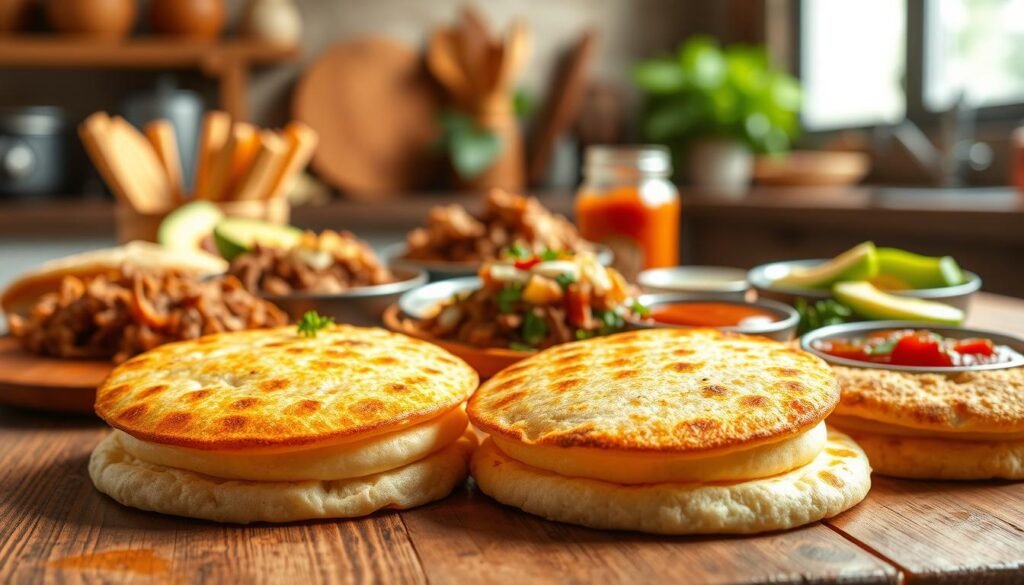
Did you know that Venezuelan arepas are a staple food in Venezuela, with millions consuming them daily? These traditional corn cakes are not only delicious but also versatile, serving as a base for various fillings. Made from masarepa, a type of precooked corn flour, traditional arepas have become a beloved dish worldwide.
The rich history and cultural significance of arepas venezolanas make them a fascinating topic. In this article, we’ll explore their origins, the role they play in Venezuelan cuisine, and provide a simple recipe to make them at home. Whether you’re a food enthusiast or just curious about new culinary experiences, this introduction to Venezuelan arepas will surely captivate your interest.
What Are Arepas Venezolanas?
Arepas Venezolanas, or Venezuelan corn cakes, have been a cornerstone of Venezuelan cuisine for centuries. These cornmeal patties are known for their crispy exterior and soft, creamy interior, making them a staple in Venezuelan households.
A Brief History of Arepas
The history of Arepas dates back to the pre-Columbian era, where corn was a staple crop. Over time, the indigenous people developed a method to make cornmeal patties, which eventually became known as Arepas. These authentic arepas were initially cooked on a griddle and served with various fillings.
The evolution of Arepas continued through the centuries, influenced by Spanish colonization and African immigration, which introduced new ingredients and cooking techniques. Today, Arepas Venezolanas remain a vital part of Venezuelan identity and culture.
Arepa Ingredients and Preparation
Making homemade arepas is relatively simple. The primary ingredient is masarepa, a type of cornmeal made from pre-cooked corn. To make Arepas, one must mix masarepa with water, salt, and sometimes cheese or other ingredients, then knead the dough until it’s smooth. The dough is then shaped into patties, which are cooked on a griddle or baked.
Learning how to make arepas is a straightforward process that requires patience and practice. The key is to achieve the right balance between the crispy exterior and the soft interior.
Cultural Significance of Arepas
Arepas Venezolanas are more than just a food item; they are a symbol of Venezuelan culture and identity. Arepas are often served at family gatherings, celebrations, and even everyday meals. They are a versatile dish that can be filled with a variety of ingredients, from cheese and meat to avocado and beans.
The cultural significance of Arepas is also reflected in their presence at Venezuelan festivals and events. Whether it’s a family barbecue or a national celebration, Arepas are always at the center, bringing people together and fostering a sense of community.
Types of Arepas Venezolanas to Try
The versatility of Arepas Venezolanas is showcased through their numerous variations, from savory to sweet. Whether you’re a food enthusiast or just discovering the world of arepas, there’s a type to suit every taste.
Classic Arepas: The Basics
Classic arepas are the foundation of this traditional Venezuelan dish. Made from cornmeal dough, these arepas are grilled or baked to perfection, offering a crispy exterior and a soft interior. They’re often served with a variety of toppings or fillings, making them a staple in Venezuelan cuisine.
The popular arepas recipe involves mixing cornmeal with water and salt, then kneading the dough until it’s smooth and pliable. The arepas are then shaped and cooked until they’re golden brown.
Stuffed Arepas: Flavor Variations
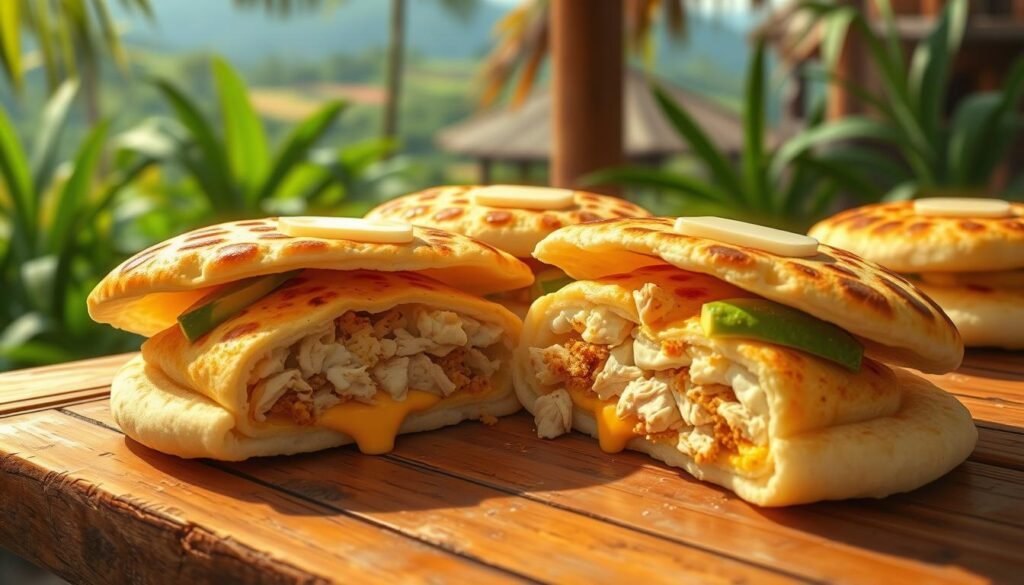
Stuffed arepas take the classic recipe to the next level by adding various fillings. Some popular fillings include shredded chicken, avocado, and cheese. These delicious arepas are perfect for a meal or snack, offering a burst of flavor in every bite.
- Chicken and avocado for a creamy, protein-packed option
- Cheese and salsa for a bold, cheesy flavor
- Shredded beef or pork for a hearty, meaty taste
Sweet Arepas: A Unique Twist
Sweet arepas offer a unique twist on the traditional recipe. By incorporating sugar or other sweet ingredients, these arepas become a dessert or a sweet snack. They’re often topped with cheese, honey, or fruit, making them a delightful treat.
Some variations include adding cinnamon or vanilla to the dough for extra flavor. These sweet arepas are a great way to experience the diversity of Venezuelan cuisine.
Exploring the different types of Arepas Venezolanas, including the best arepas in Venezuela, reveals a rich culinary landscape. From classic to stuffed and sweet arepas, there’s a version to enjoy for everyone.
How to Make Arepas Venezolanas at Home
With just a few simple ingredients, you can make delicious Arepas Venezolanas at home. This traditional Venezuelan dish is a staple in many Latin American households, and its preparation is relatively straightforward.
Essential Ingredients for Homemade Arepas
To start, you’ll need masarepa, a type of cornmeal made from pre-cooked corn. You’ll also need salt and warm water. The ratio is typically 2 cups of masarepa to 1 teaspoon of salt, mixed with 1 1/4 to 2 cups of warm water.
Step-by-Step Preparation Guide
Begin by mixing the masarepa and salt in a large bowl. Gradually add the warm water, stirring with a spoon until the dough comes together. Knead the dough for about 5 minutes until it’s smooth and pliable.
- Divide the dough into 4-6 equal pieces, depending on the size you prefer for your arepas.
- Shape each piece into a ball and then flatten it slightly into a disk shape.
- Heat a non-stick skillet or griddle over medium heat.
- Cook the arepas for about 4-5 minutes on each side, until they’re golden brown and crispy.
Cooking Methods for Perfect Arepas
Achieving the perfect arepa requires attention to the cooking method. You can cook arepas on a griddle, in a skillet, or even on a grill. The key is to ensure they are cooked evenly and have a crispy exterior. For an extra crispy exterior, you can bake the arepas in a preheated oven at 375°F (190°C) for about 15-20 minutes after cooking them on the griddle.
Where to Find the Best Arepas in the U.S.
The quest for the perfect arepa in the U.S. involves exploring restaurants, food trucks, and festivals. For those craving authentic Venezuelan arepas, the U.S. offers a diverse culinary landscape.
Popular Restaurants Specializing in Arepas
Many restaurants across the U.S. specialize in Venezuelan cuisine, offering a wide range of arepa options. Some notable establishments include:
- La Taqueria in San Francisco, known for its vibrant Latin American cuisine.
- Café con Leche in New York, offering a variety of arepas and other Venezuelan dishes.
- Arepa Lady in Los Angeles, a popular spot for authentic arepas.
Food Trucks and Markets with Authentic Arepas
Food trucks and markets are excellent places to find authentic arepas. These venues often feature vendors specializing in Venezuelan street food, including arepas and cachapas.
| City | Food Truck/Market | Notable Arepa |
|---|---|---|
| Miami | Calle Ocho Market | Pabellón Arepa |
| Chicago | Pilsen Food Truck Park | Reina Pepiada Arepa |
Arepas at Venezuelan Festivals
Venezuelan festivals in the U.S. are fantastic events to experience authentic arepas along with other traditional Venezuelan dishes. These festivals often feature food stalls and live cooking demonstrations.
Some notable Venezuelan festivals include:
- Fiesta Venezolana in Houston.
- Venezuelan Cultural Festival in Los Angeles.
- Caracas Fest in New York.
Pairing Arepas Venezolanas with Delicious Sides
Elevate your Arepas Venezolanas experience by pairing them with traditional Venezuelan sides. Arepas are a staple in Venezuelan cuisine, and their versatility makes them a perfect canvas for a variety of flavors.
Traditional Sides to Complement Arepas
Traditional Venezuelan sides can turn a simple Arepa into a feast. Some classic options include:
- Beans: Whether you prefer black beans or kidney beans, they add protein and fiber to your meal.
- Cheese: Melted cheese, or “queso fresco,” is a favorite among Arepa enthusiasts, adding a creamy texture.
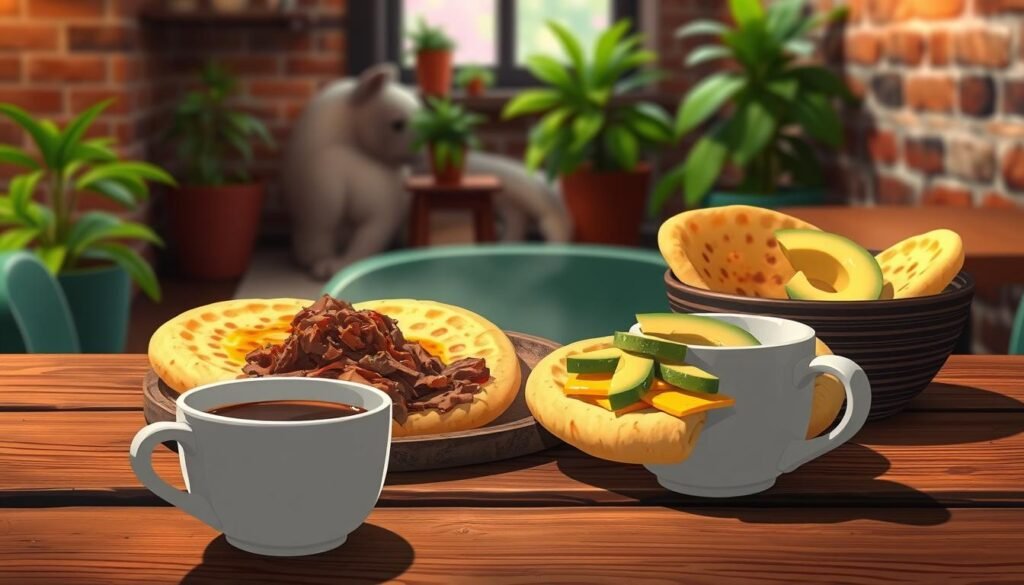
- Avocado: Sliced or mashed avocado brings a fresh, healthy twist to your Arepa.
Recommended Dipping Sauces
Dipping sauces can add an extra layer of flavor to your Arepas Venezolanas. Some popular options are:
- Aji Salsa: A spicy and tangy salsa made with aji amarillo peppers.
- Guasacaca: A creamy avocado-based sauce with a hint of garlic and cilantro.
- Salsa de Tomate: A fresh tomato salsa that adds a burst of juicy flavor.
Beverage Pairings for Arepas
The right beverage can complement the flavors of your Arepas Venezolanas. Consider pairing them with:
- Café con Leche: A traditional Venezuelan coffee with milk that pairs perfectly with breakfast Arepas.
- Fresh Juices: Orange, mango, or passionfruit juices offer a refreshing contrast to the savory flavors of Arepas.
- Malta: A sweet, non-alcoholic malt beverage that’s a staple in Venezuelan culture.
By exploring these pairing ideas, you can enjoy Arepas Venezolanas in a whole new way, enhancing their traditional flavors with complementary sides and beverages.
The Health Benefits of Arepas Venezolanas
Healthy arepas, made from corn flour, are a gluten-free alternative that can be part of a balanced diet. This traditional Venezuelan dish has been a staple for centuries, and its health benefits are now being recognized worldwide.
Nutritional Profile of Arepas
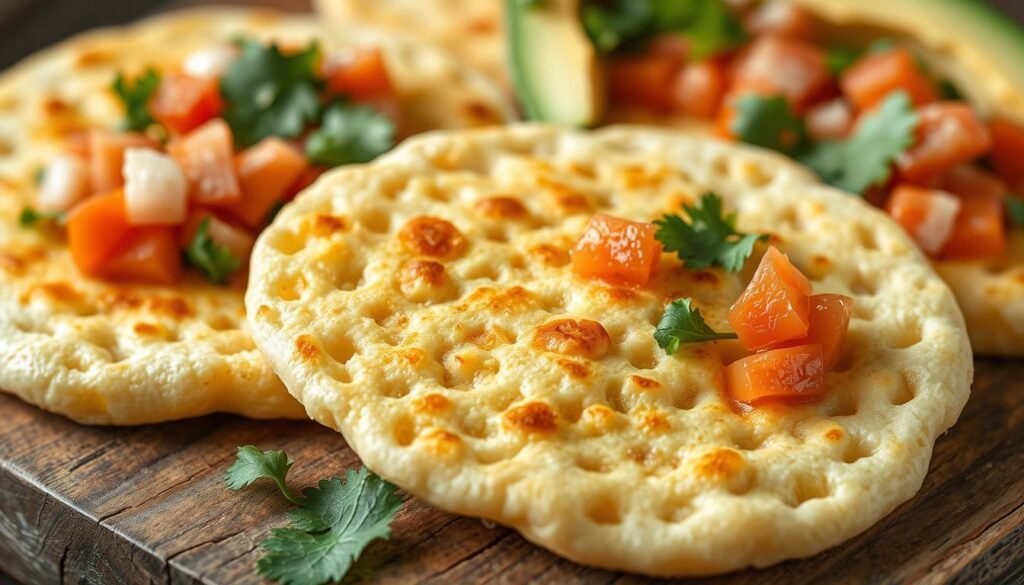
Arepas venezolanas are made from corn flour, water, and salt, making them a simple yet nutritious food. They are rich in carbohydrates, which provide energy, and are relatively low in fat. The corn flour used in arepas is also a good source of fiber, which can help with digestion and satiety.
The nutritional profile of arepas can vary depending on the fillings and toppings used. When paired with lean proteins, vegetables, and healthy fats, arepas can be a part of a well-rounded meal.
Gluten-Free Alternative: Arepa Flour
For individuals with gluten intolerance or sensitivity, arepas made from corn flour offer a delicious and safe alternative. Arepa flour is naturally gluten-free, making it an excellent option for those who need to avoid gluten in their diet.
- Arepa flour is made from corn, which is a gluten-free grain.
- Using arepa flour allows for the creation of a variety of gluten-free dishes.
- Arepas can be enjoyed by individuals with celiac disease or gluten sensitivity.
Arepas as a Balanced Meal Option
Arepas venezolanas can be a balanced meal when filled with nutritious ingredients. By choosing fillings such as grilled chicken, avocado, and black beans, arepas can provide a good mix of protein, healthy fats, and complex carbohydrates.
- Select whole corn flour for a higher fiber content.
- Fill arepas with lean proteins and vegetables for added nutrition.
- Use healthy cooking methods, such as grilling or baking, to keep arepas low in fat.
By incorporating arepas venezolanas into your diet, you can enjoy a traditional Venezuelan dish while benefiting from its nutritional value.
Arepas Venezolanas in the Culinary World
Arepas Venezolanas have become a staple in modern cuisine, captivating food enthusiasts with their rich history and versatility. As a traditional Venezuelan dish, arepas have transcended cultural boundaries, influencing various culinary practices worldwide.
Arepas in Modern American Cuisine
The rise of Arepas Venezolanas in modern American cuisine is a testament to their adaptability and flavor profile. Many restaurants across the United States have incorporated arepas into their menus, offering innovative fillings and toppings that cater to diverse tastes. From breakfast arepas with scrambled eggs and avocado to dinner arepas filled with grilled meats, the versatility of arepas has made them a favorite among chefs and diners alike.
Celebrity Chefs and Arepas
Celebrity chefs have played a significant role in popularizing Arepas Venezolanas, featuring them in cooking shows, restaurants, and social media platforms. Chefs like Guy Fieri and Marcus Samuelsson have showcased arepas in their recipes, introducing them to a broader audience. This exposure has not only boosted the popularity of arepas but also encouraged home cooks to experiment with different arepa recipes.
Arepas Influence on Other Latin American Dishes
Arepas Venezolanas have influenced other Latin American dishes, demonstrating their culinary significance. For instance, cachapas, a type of Venezuelan corn pancake, share similarities with arepas in terms of ingredients and preparation methods. The influence of arepas can also be seen in Colombian cuisine, where arepas are a staple, albeit with some variations in preparation and fillings.
| Dish | Description | Similarity to Arepas |
|---|---|---|
| Cachapas | Venezuelan corn pancakes | Similar ingredients and preparation |
| Colombian Arepas | Arepas with regional fillings | Shared arepa dough, different fillings |
| Pupusas | Salvadorean stuffed corn tortillas | Similar concept of stuffed cornmeal dishes |
The table above highlights the influence of Arepas Venezolanas on other Latin American dishes, showcasing their culinary impact. By understanding these similarities and differences, we can appreciate the rich culinary heritage that arepas represent.
Variations of Arepas around the World
The love for arepas transcends borders, with various countries putting their own spin on this traditional dish. As arepas continue to gain popularity worldwide, different regions have adapted them to suit local tastes and ingredients, resulting in a diverse array of arepa variations.
Colombian Arepas vs. Venezuelan Arepas
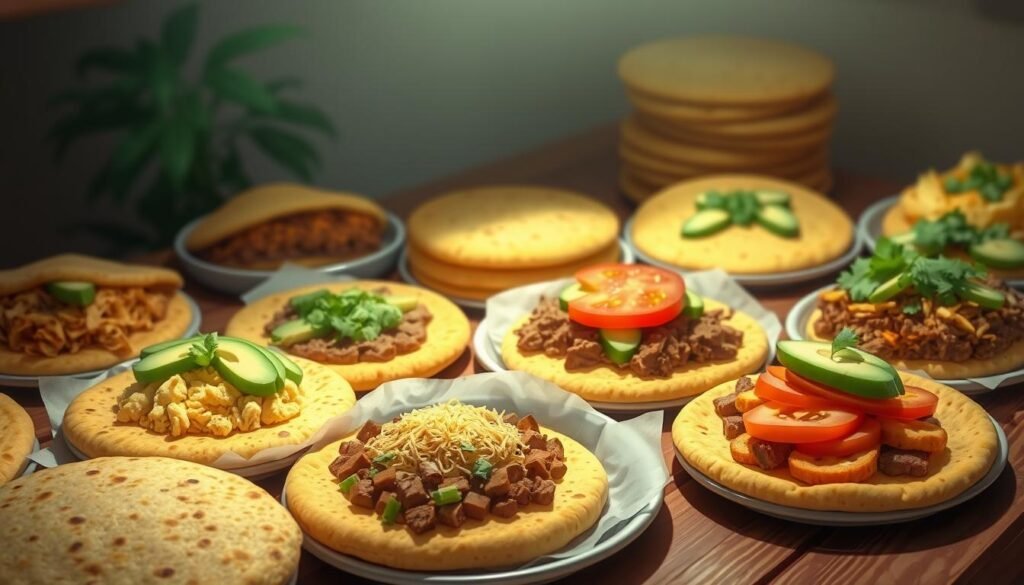
While both Colombia and Venezuela enjoy arepas as a staple food, there are notable differences in their preparation and texture. Colombian arepas are often thicker and more crumbly, typically served with butter, cheese, or grilled meats. In contrast, Venezuelan arepas are generally thinner and more doughy, frequently stuffed with a variety of fillings such as carne mechada (shredded beef) or queso (cheese).
Arepas in Other Latin American Countries
Beyond Colombia and Venezuela, arepas have found their way into the cuisine of other Latin American countries. In Panama, for example, arepas are often served as a side dish or used as a base for various toppings. Dominican Republic has its own version, known as “arepa Dominicana,” which may include additional ingredients like eggs or cheese.
Global Takes on Arepas
The global arepa phenomenon has led to innovative and fusion dishes. In the United States, arepas are being reimagined with Southwestern flavors, such as adding jalapeños or using arepas as a base for tacos. Meanwhile, in Europe, arepas are being incorporated into modern cuisine, with chefs experimenting with different fillings and toppings.
As arepas continue to spread globally, their versatility and adaptability make them a beloved dish across cultures. Whether you’re enjoying a traditional Venezuelan arepa or a modern fusion variation, the love for arepas is a common thread that unites food enthusiasts worldwide.
Tips for Storing and Reheating Arepas
Storing and reheating arepas venezolanas is an art that ensures you enjoy them at their best even after a day or two. Whether you’ve made a batch of homemade arepas or acquired them from a local vendor, knowing how to store and reheat them properly can make all the difference in preserving their flavor and texture.
Best Ways to Store Leftover Arepas
To keep your arepas venezolanas fresh, store them in an airtight container. This prevents moisture from affecting their texture. For short-term storage, you can keep them at room temperature for up to a day. For longer storage, consider refrigerating or freezing them.
Refrigerating Arepas: Place arepas in an airtight container or zip-top bag, separating them with parchment paper to prevent sticking. They can be refrigerated for up to 3 days.
Freezing Arepas: For longer storage, freeze arepas by placing them on a baking sheet lined with parchment paper and then transferring them to a freezer-safe bag once frozen. They can be frozen for up to 2 months.
Techniques for Reheating Arepas
Reheating arepas venezolanas can be done in several ways, depending on the equipment available and the desired crispiness.
- Grilling or Griddle: Preheat a griddle or grill to medium-high heat. Reheat arepas for about 4-5 minutes on each side, or until they’re crispy and warm throughout.
- Oven: Preheat the oven to 375°F (190°C). Wrap arepas in foil and heat for about 10-15 minutes, or until warmed through.
- Toaster or Toaster Oven: For a crisper exterior, slice arepas in half and toast them in a toaster or toaster oven until crispy.
Creative Ways to Use Leftover Arepas
Leftover arepas venezolanas can be repurposed into delicious dishes. Here are a few ideas:
- Arepa Croutons: Cube arepas and toss them in olive oil, salt, and your choice of seasonings. Bake until crispy to use as croutons in salads.
- Breakfast Base: Slice arepas in half and top with eggs, cheese, and your favorite breakfast meats for a twist on breakfast.
- Arepa Sandwiches: Use arepas as the “buns” for sandwiches, filling them with your choice of meats, cheeses, and vegetables.
Join the Arepa Craze!
As the popularity of Arepas Venezolanas continues to grow, it’s exciting to be part of a vibrant culinary community. By exploring the world of Venezuelan arepas, you’re not only discovering a delicious meal but also becoming part of a larger cultural movement.
Connecting with Fellow Arepa Enthusiasts
Engage with arepa communities online to share recipes, learn new cooking techniques, and stay updated on the latest arepa trends. Sharing your authentic arepas creations on social media can help build connections with others who share your passion for Arepas Venezolanas.
Sharing Your Creations
Showcase your arepa-making skills by sharing your dishes on social media platforms. This is a great way to get feedback, inspire others, and be part of a community that celebrates the rich culinary heritage of Venezuelan arepas.
Embracing the Arepa Culture
By embracing Arepas Venezolanas, you’re becoming part of a culinary journey that spans generations and cultures. Whether you’re enjoying arepas at a Venezuelan festival or making them at home, you’re contributing to the growing popularity of this beloved dish.
FAQ
What is masarepa, and where can I find it?
Masarepa is a type of precooked corn flour used to make Arepas Venezolanas. You can find masarepa at most Latin American grocery stores or online.
Can I make Arepas Venezolanas without a griddle?
Yes, you can make arepas without a griddle. A non-stick skillet or frying pan works well as an alternative.
Are Arepas Venezolanas gluten-free?
Yes, Arepas Venezolanas are gluten-free because they are made from corn flour, making them a great option for those with gluten intolerance.
What are some popular fillings for stuffed arepas?
Popular fillings for stuffed arepas include chicken, avocado, cheese, and various meats, offering a range of flavors and textures.
Can I make sweet arepas at home?
Yes, you can make sweet arepas at home by incorporating sugar or other sweet ingredients into the dough, providing a unique twist on traditional arepas.
How do I store leftover arepas?
Leftover arepas can be stored in airtight containers. To maintain freshness, it’s best to reheat them on a griddle or in the oven.
Are Arepas Venezolanas a healthy meal option?
Arepas Venezolanas can be a healthy meal option when paired with nutritious fillings and sides, making them a balanced and satisfying choice.
Can I find Arepas Venezolanas at Latin American restaurants?
Yes, many Latin American restaurants, especially those specializing in Venezuelan cuisine, serve Arepas Venezolanas. You can also find them at food trucks and markets.
How do I reheat arepas to maintain their crispiness?
To reheat arepas and maintain their crispiness, it’s best to use a griddle or oven. Avoid microwaving, as it can make them soft.
Can I use Arepas Venezolanas as a base for other dishes?
Yes, arepas can be used creatively in various dishes, such as turning them into croutons or using them as a base for breakfast dishes, offering a versatile culinary option.