

Quick Reference: gochugaru substitute Recipe Table
| Gochugaru Substitute | Ratio | Heat Level | Best For | Flavor Profile |
|---|---|---|---|---|
| Crushed Red Pepper Flakes | 1:1 | Medium-High | Kimchi, marinades | Sharp, hot |
| Paprika + Cayenne Mix | 3:1 ratio | Medium | Bulgogi, stews | Sweet, smoky |
| Ancho Chili Powder | 1:1 | Mild-Medium | Soups, braised dishes | Sweet, earthy |
| Chipotle Powder | 1/2:1 | Medium-High | Grilled meats | Smoky, complex |
| Aleppo Pepper | 1:1 | Medium | Vegetable dishes | Fruity, mild |
| Kashmiri Chili Powder | 1:1 | Mild | Color enhancement | Vibrant, sweet |
| New Mexico Chili Powder | 1:1 | Medium | Stews, sauces | Earthy, rich |
| Hungarian Paprika | 1.5:1 | Mild | Gentle heat dishes | Sweet, mild |
When you’re in the middle of preparing your favorite Korean dish and realize you’re out of gochugaru, finding the right gochugaru substitute becomes crucial for maintaining authentic flavors. This vibrant Korean chili powder is the backbone of countless Korean recipes, from kimchi to bulgogi, and understanding your options for gochugaru alternatives can save your cooking session and expand your culinary horizons.
Understanding Gochugaru: The Foundation of Korean Cuisine
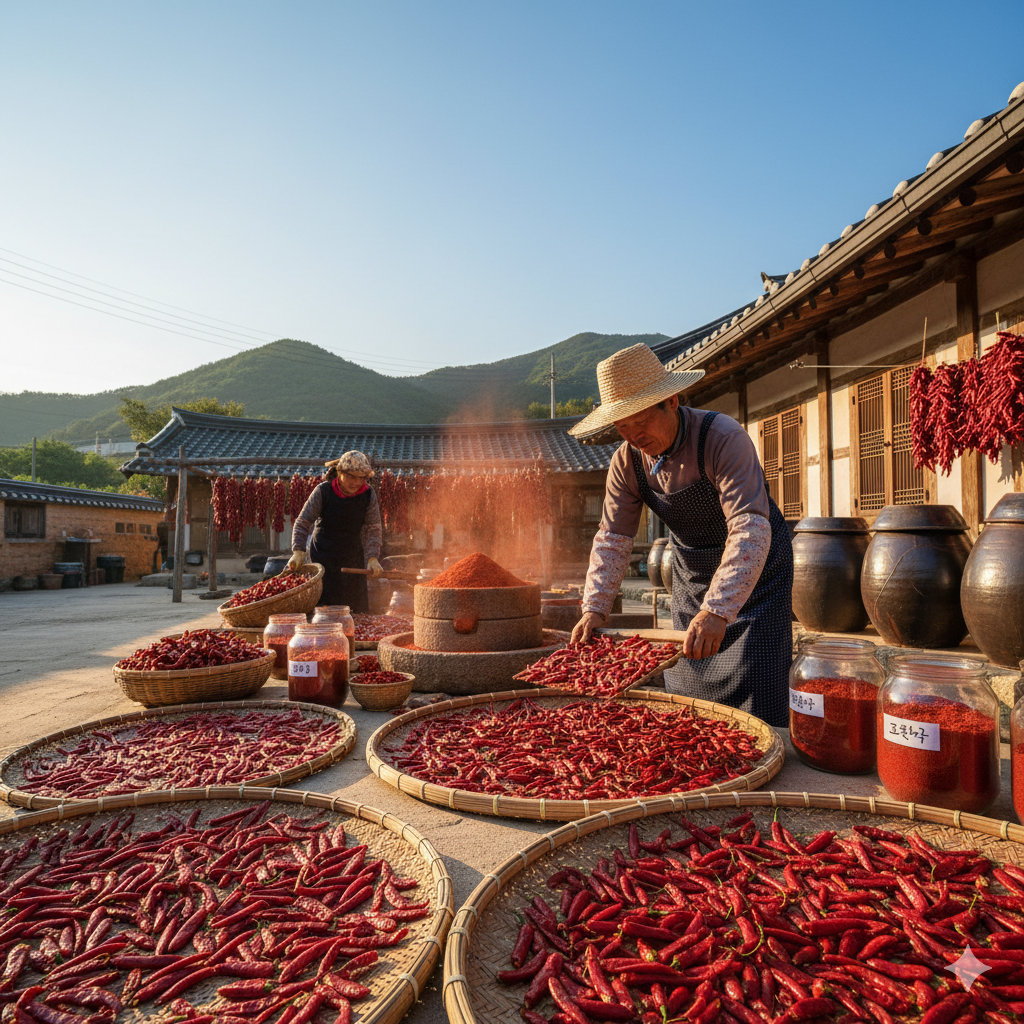
Before diving into substitutes, it’s essential to understand what makes gochugaru unique. This Korean chili powder substitute isn’t just any ground pepper – it’s made from specific Korean chili peppers that are sun-dried and coarsely ground. The result is a flake-like powder with a distinctive sweet heat, vibrant red color, and smoky undertones that define Korean cuisine.
Gochugaru typically registers between 1,500 to 10,000 Scoville Heat Units, placing it in the mild to medium heat category. Its flavor profile combines sweetness with a gentle burn, making it more complex than many standard chili powders. This complexity is why finding the best gochugaru substitute requires careful consideration of both heat level and flavor characteristics.
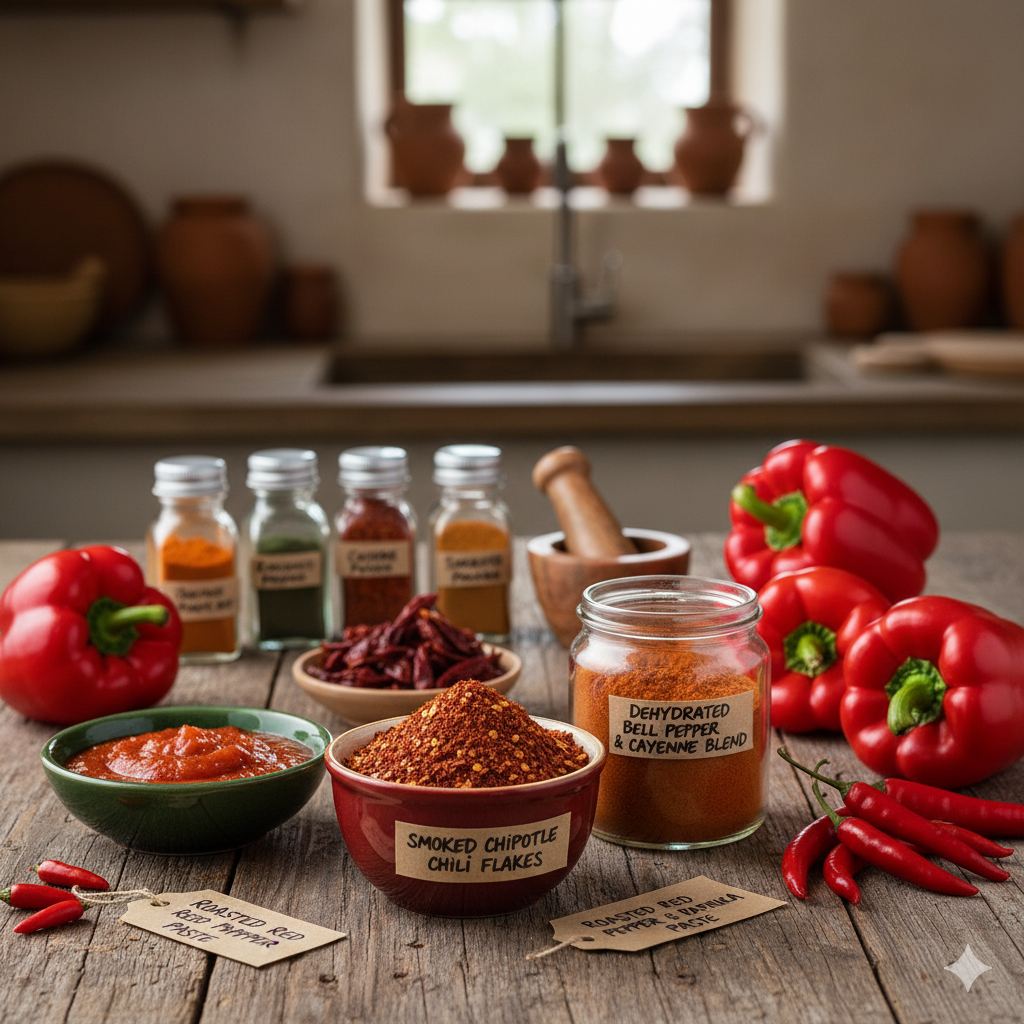
The Top 8 Gochugaru Replacement Options
1. Crushed Red Pepper Flakes: The Most Accessible Alternative
When considering what can I use instead of gochugaru, crushed red pepper flakes often come to mind first. Available in most grocery stores, these flakes provide a similar texture and reasonable heat level. However, they tend to be more intense and lack gochugaru’s characteristic sweetness.
To create the best gochugaru substitute using red pepper flakes, use a 1:1 ratio but expect a sharper, more aggressive heat. This gochugaru replacement works particularly well in kimchi and other fermented dishes where the bold flavor complements the fermentation process.
2. Paprika and Cayenne Pepper Blend: Balancing Heat and Sweetness
Creating a custom blend represents one of the most effective gochugaru alternatives. Combine three parts sweet paprika with one part cayenne pepper to achieve a balance similar to gochugaru. This homemade Korean chili powder substitute provides the sweet base notes while adding controllable heat.
Sweet paprika contributes the mild, sweet flavor profile, while cayenne brings the necessary heat. This gochugaru substitute works exceptionally well in bulgogi marinades and Korean stews where you want to maintain the dish’s traditional color and moderate spice level.
3. Ancho Chili Powder: The Smoky Sweet Option
Ancho chili powder emerges as an excellent gochugaru replacement due to its naturally sweet and smoky characteristics. Made from dried poblano peppers, ancho powder provides a mild to medium heat level with complex flavor notes that complement Korean dishes surprisingly well.
This gochugaru substitute works particularly well in braised dishes and soups where its earthy sweetness can develop and meld with other flavors. When using ancho powder as a Korean chili powder substitute, maintain a 1:1 ratio with the original gochugaru measurement.
4. Chipotle Powder: Adding Depth and Complexity
For those seeking gochugaru alternatives with additional complexity, chipotle powder offers an interesting option. Made from smoked jalapeño peppers, it provides moderate heat with intense smoky flavors that can add new dimensions to Korean dishes.
Use half the amount called for in the original recipe, as chipotle powder tends to be more concentrated than gochugaru. This best gochugaru substitute works particularly well with grilled meats and robust stews where its smoky character enhances rather than overwhelms the dish.
5. Aleppo Pepper: The Mediterranean Connection
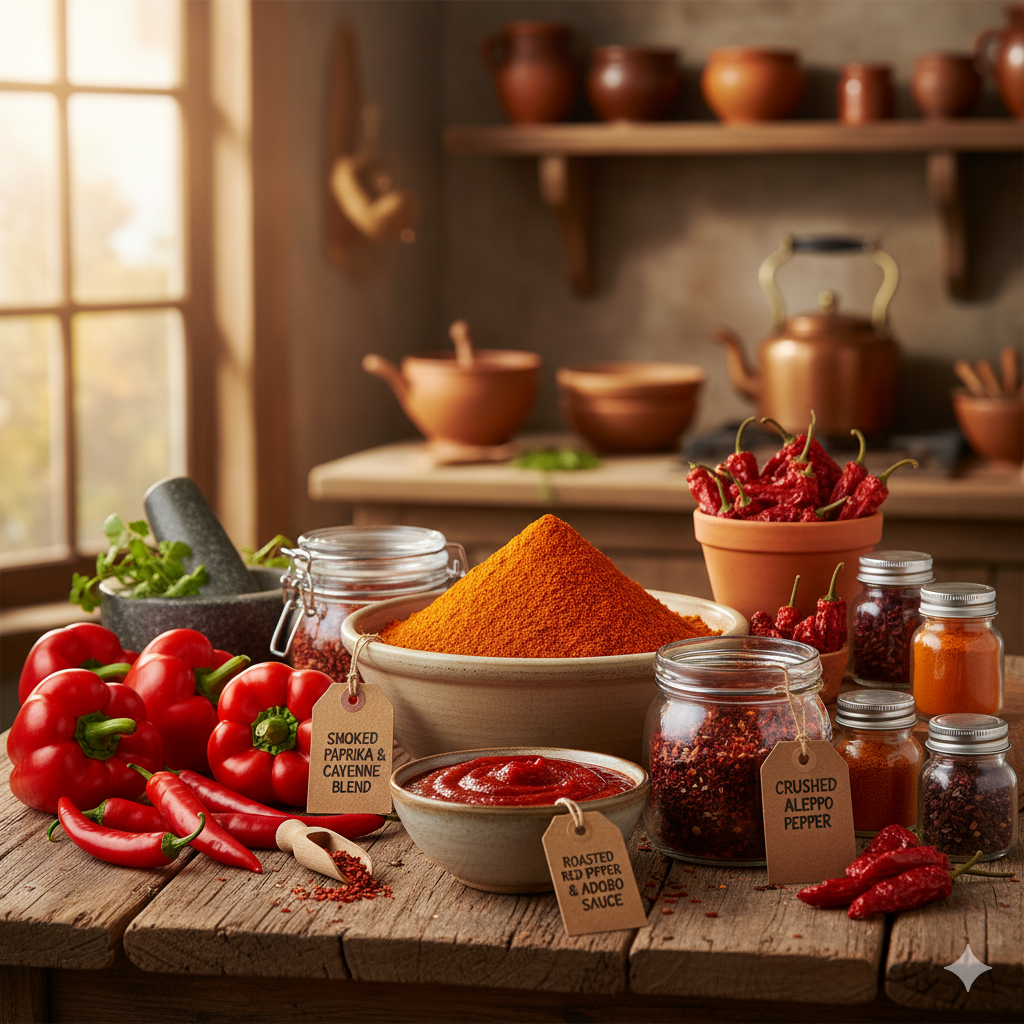
Aleppo pepper, also known as Halaby pepper, serves as an surprising but effective gochugaru replacement. This Middle Eastern spice offers moderate heat with fruity undertones and a slight saltiness that complements Korean flavors well.
The texture of Aleppo pepper closely resembles gochugaru, making it one of the most authentic-feeling Korean chili powder substitute options. When wondering what can I use instead of gochugaru for vegetable dishes and lighter preparations, Aleppo pepper provides excellent results with its balanced heat and complex flavor profile.
6. Kashmiri Chili Powder: The Color Champion
Kashmiri chili powder stands out among gochugaru alternatives for its ability to provide vibrant red color with minimal heat. This Indian spice offers the visual appeal essential to Korean dishes while delivering mild warmth and subtle sweetness.
This gochugaru substitute excels in dishes where color is paramount, such as kimchi or Korean rice cakes. The mild heat makes it perfect for those who want authentic appearance without overwhelming spice, making it one of the best gochugaru substitute options for heat-sensitive palates.
7. New Mexico Chili Powder: The Earthy Option
New Mexico chili powder provides another excellent gochugaru replacement with its earthy, rich flavors and moderate heat level. This powder offers more complexity than standard chili powder while maintaining the approachable heat level that characterizes gochugaru.
The slightly sweet, earthy notes make this Korean chili powder substitute particularly suitable for stews and braised dishes. When considering what can I use instead of gochugaru for longer-cooking dishes, New Mexico chili powder develops beautiful depth and complexity.
8. Hungarian Paprika: The Gentle Giant
Hungarian paprika, particularly the sweet variety, serves as an excellent gochugaru substitute for dishes requiring minimal heat but maximum flavor. This spice provides the essential sweet notes and beautiful color while keeping heat levels very manageable.
This gochugaru alternative works best in dishes where you want gochugaru’s color and subtle flavor without significant heat. It’s particularly effective in marinades for delicate proteins and vegetable preparations where heat might overpower other flavors.
Regional and Specialty Gochugaru Alternatives
Japanese Togarashi: The Closest Asian Cousin
When searching for gochugaru alternatives within Asian cuisine, Japanese togarashi (specifically ichimi togarashi) provides one of the closest matches. This single-ingredient chili powder offers similar heat levels and texture, though it lacks some of gochugaru’s characteristic sweetness.
As a Korean chili powder substitute, togarashi works particularly well in soups and stir-fries where its clean heat can complement other Korean flavors without competing with them.
Turkish Red Pepper Flakes (Pul Biber): The International Option
Turkish red pepper flakes offer another international gochugaru replacement option. These flakes provide moderate heat with sweet undertones and an appealing texture that closely mimics gochugaru’s appearance and mouthfeel.
This best gochugaru substitute works especially well in rice dishes and vegetable preparations where its gentle heat and sweet notes can enhance without overwhelming the overall flavor profile.
Creating Custom Blends for Specific Dishes
Kimchi-Specific Gochugaru Substitute Blend
For kimchi, the most iconic use of gochugaru, creating a specialized blend ensures optimal results. Combine crushed red pepper flakes with sweet paprika in a 2:1 ratio, then add a pinch of sugar to enhance the sweet notes. This custom gochugaru alternative maintains the fermentation-friendly properties while providing appropriate heat and flavor.
Bulgogi Marinade Gochugaru Replacement
Bulgogi requires a Korean chili powder substitute that won’t overwhelm the meat’s natural flavors. Blend ancho chili powder with Hungarian paprika in equal parts, creating a gochugaru substitute that provides color, mild heat, and complementary earthy notes.
Soup and Stew Alternatives
For Korean soups and stews, what can I use instead of gochugaru depends on the specific dish. Kimchi jjigae benefits from a bolder gochugaru replacement like chipotle powder, while delicate seafood soups work better with milder options like Kashmiri chili powder.
Heat Level Adjustments and Flavor Balancing
Understanding how to adjust heat levels when using gochugaru alternatives is crucial for successful substitution. Most alternatives either run hotter or milder than gochugaru, requiring careful measurement adjustments.
For hotter substitutes like cayenne-based blends, start with half the called-for amount and gradually increase. For milder options like Hungarian paprika, you might need up to 50% more to achieve comparable flavor impact, though the heat will remain lower.
The best gochugaru substitute often involves combining multiple alternatives to create a more complex flavor profile that better matches gochugaru’s unique characteristics.
Storage and Preparation Tips for Gochugaru Substitutes
Proper storage of your gochugaru replacement options ensures maximum flavor and longevity. Store all chili powders in airtight containers away from light and heat. Most alternatives maintain peak flavor for 12-18 months when stored properly.
When preparing dishes with Korean chili powder substitute options, bloom the spices in oil briefly before adding other ingredients. This technique enhances flavor development and helps the substitutes integrate better with other dish components.
Recipe Adaptation Strategies
Adjusting Liquid Ratios
Some gochugaru alternatives absorb liquids differently than gochugaru. Chipotle powder, for example, tends to thicken sauces more than gochugaru, requiring slight liquid adjustments. Monitor consistency when using different gochugaru substitute options and adjust accordingly.
Timing Considerations
Different alternatives release their flavors at varying rates. While gochugaru provides steady flavor throughout cooking, some substitutes like fresh-ground alternatives may lose potency with extended cooking times. Add these gochugaru replacement options later in the cooking process for optimal results.
Salt and Sugar Balancing
Many Korean chili powder substitute options affect the overall salt and sugar balance of dishes. Turkish pepper flakes add saltiness, while some paprika varieties contribute extra sweetness. Adjust seasoning accordingly when experimenting with different gochugaru alternatives.
Building Your Substitute Pantry
Creating a well-stocked pantry of potential gochugaru substitute options ensures you’re never without alternatives. Essential items include sweet paprika, cayenne pepper, crushed red pepper flakes, and at least one specialty option like Aleppo pepper or ancho chili powder.
Consider purchasing small quantities of several gochugaru alternatives rather than large amounts of one or two options. This approach allows for experimentation and custom blending while ensuring freshness.
Common Mistakes When Using Gochugaru Substitutes
Over-seasoning with Heat
The most common error when using gochugaru replacement options is adding too much heat too quickly. Many alternatives pack more punch than gochugaru, making gradual addition crucial for balanced results.
Ignoring Flavor Profiles
Simply matching heat levels isn’t sufficient for the best gochugaru substitute. Consider how each alternative’s flavor profile interacts with other dish components. A substitute that works perfectly in kimchi might overwhelm a delicate soup.
Texture Neglect
Gochugaru’s unique flaky texture contributes to its appeal in many dishes. When possible, choose Korean chili powder substitute options that provide similar texture, or adjust cooking methods to accommodate different textures.
Health and Nutritional Considerations
Most gochugaru alternatives offer similar nutritional profiles, providing vitamin C, capsaicin, and antioxidants. However, some options like smoked varieties may contain additional compounds from the smoking process.
When selecting gochugaru substitute options for dietary restrictions, read labels carefully. Some commercially prepared alternatives may contain additives or allergens not present in pure gochugaru.
Advanced Techniques for Substitute Enhancement
Toasting for Depth
Lightly toasting gochugaru replacement options in a dry pan for 30-60 seconds can enhance their flavor profiles and create closer matches to gochugaru’s complex taste. This technique works particularly well with paprika-based substitutes.
Oil Infusions
Creating oil infusions with your chosen gochugaru alternatives can provide more authentic applications in Korean cooking. Gently heat oil with your substitute to create flavored oils perfect for finishing dishes or creating authentic-tasting bases.
Conclusion: Mastering the Art of Substitution
Finding the perfect gochugaru substitute requires understanding both the original ingredient and your available alternatives. Whether you choose simple crushed red pepper flakes or create complex custom blends, the key lies in balancing heat, sweetness, and color to match your specific dish requirements.
The best gochugaru substitute varies by application, personal heat preference, and available ingredients. Experiment with different Korean chili powder substitute options to discover your preferred alternatives for various dishes. Remember that successful substitution often involves adjusting not just the chili component but also other seasonings to maintain overall flavor balance.
With this comprehensive guide to gochugaru alternatives, you’re equipped to tackle any Korean recipe regardless of your spice pantry limitations. The question of what can I use instead of gochugaru now has multiple answers, each suited to different culinary situations and flavor preferences.
Whether you’re making kimchi, bulgogi, or any other Korean favorite, these gochugaru replacement options ensure your cooking never has to suffer from missing ingredients. Master these substitutes, and you’ll find your Korean cooking becomes more flexible and creative than ever before.