How to Make Gochugaru Recipe
| Step | Process | Time Required | Equipment Needed |
|---|---|---|---|
| 1. Pepper Selection | Choose Korean red peppers (Capsicum annuum) | 30 minutes | Clean workspace |
| 2. Cleaning | Remove stems, wash, and pat dry | 45 minutes | Kitchen towels, colander |
| 3. Initial Prep | Cut peppers lengthwise, remove seeds if desired | 1 hour | Sharp knife, cutting board |
| 4. Blanching | Quick boil for 2-3 minutes (optional) | 15 minutes | Large pot, boiling water |
| 5. Sun Drying | Spread on bamboo mats, dry 5-7 days | 5-7 days | Bamboo mats, cheesecloth |
| 6. Oven Drying | Alternative: 150°F for 8-12 hours | 8-12 hours | Oven, baking sheets |
| 7. Dehydrator Method | Set to 135°F for 6-10 hours | 6-10 hours | Food dehydrator, trays |
| 8. Final Drying Check | Peppers should be completely crisp | 10 minutes | Visual inspection |
| 9. Grinding | Process in small batches | 30 minutes | Spice grinder, food processor |
| 10. Sieving | Separate fine and coarse flakes | 20 minutes | Fine mesh sieves |
| 11. Storage | Store in airtight containers | 15 minutes | Glass jars, labels |
Quick Reference:
- Total Active Time: 3-4 hours
- Total Process Time: 5-7 days (sun drying) or 8-12 hours (oven)
- Yield: 1 pound fresh peppers = approximately 2-3 ounces gochugaru
- Storage Life: 2-3 years when properly stored
Introduction: Mastering the Art of How to Make Gochugaru
Learning how to make gochugaru opens the door to authentic Korean cooking and provides you with one of the most essential ingredients in Korean cuisine. This vibrant red chili powder, known for its unique sweet-smoky flavor and moderate heat, forms the foundation of countless Korean dishes from kimchi to bulgogi marinades. Understanding how to make gochugaru at home ensures you have access to the freshest, most flavorful Korean chili flakes possible.
The process of creating homemade gochugaru connects you directly to Korean culinary traditions that have been passed down through generations. While store-bought versions are convenient, nothing compares to the superior flavor and quality control that comes with making your own Korean chili flakes recipe. This comprehensive guide will walk you through every step of how to make gochugaru, from selecting the right peppers to achieving the perfect grind consistency.
Many home cooks struggle to find authentic gochugaru in their local markets, making learning how to dry chili peppers for gochugaru an invaluable skill. The traditional gochugaru making process may seem intimidating at first, but with proper guidance and patience, anyone can master this ancient technique. Whether you’re seeking a gochugaru substitute for hard-to-find store varieties or simply want to ensure the highest quality ingredients in your Korean cooking, this guide provides everything you need to know.
Understanding Gochugaru: The Foundation of Korean Cuisine
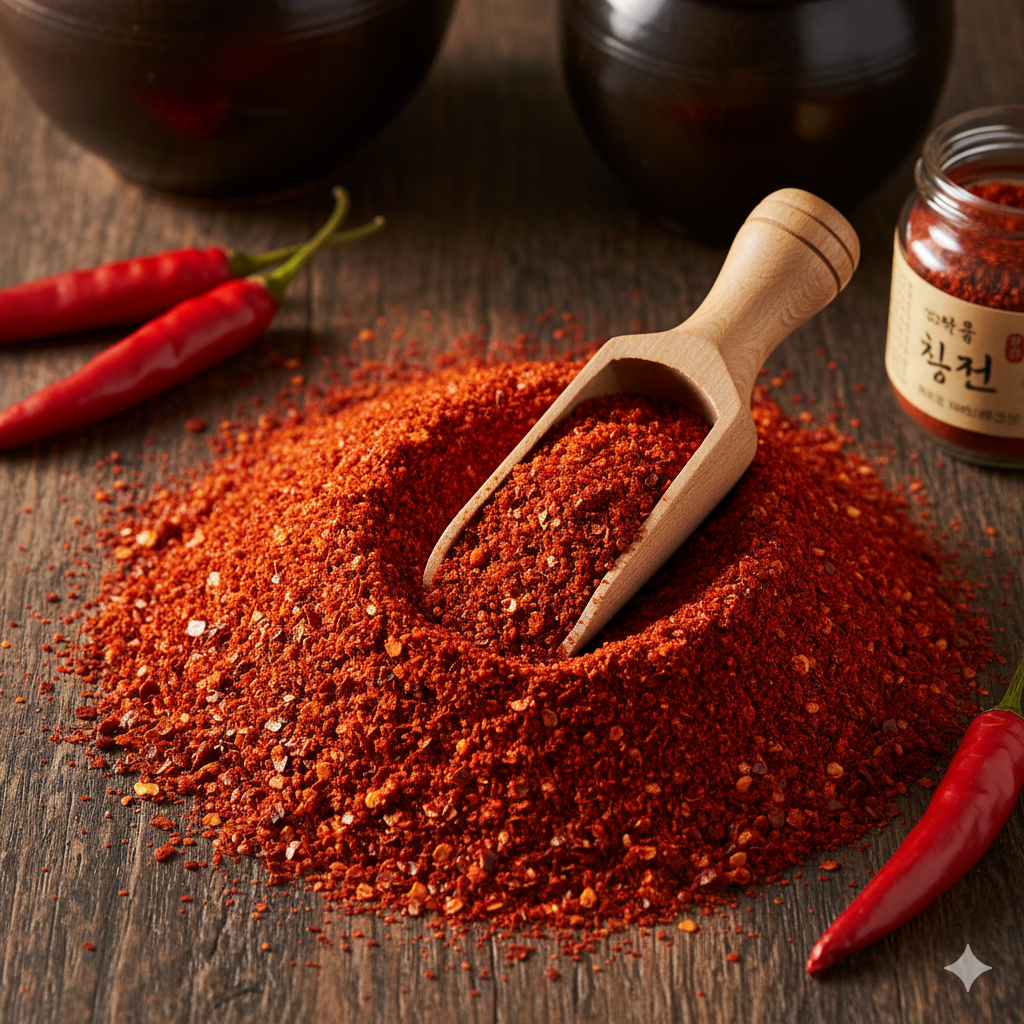
Before diving into how to make gochugaru, it’s crucial to understand what makes this ingredient so special and why the homemade version surpasses commercial alternatives. Gochugaru, literally meaning “chili powder” in Korean, is made from dried Korean red chili peppers that have been ground into flakes of varying sizes. The traditional gochugaru making process creates a product with a complex flavor profile that balances sweetness, smokiness, and moderate heat.
The Unique Characteristics of Authentic Gochugaru
What sets authentic Korean chili flakes recipe apart from generic chili powders is the specific variety of peppers used and the traditional processing methods. Korean red peppers, typically Capsicum annuum varieties, have been cultivated for centuries to achieve the perfect balance of flavor and heat. When you learn how to make gochugaru properly, you’ll discover that the peppers produce a spice that’s warm rather than scorching, with a subtle sweetness that enhances rather than overwhelms other flavors.
The texture of properly made homemade gochugaru is equally important. Unlike fine powders, authentic gochugaru consists of flakes that range from coarse to medium-fine, creating visual appeal and textural interest in finished dishes. This varied texture is achieved through specific grinding techniques that are part of the traditional gochugaru making process, ensuring that each batch contains the perfect mix of particle sizes.
Why Make Your Own Gochugaru
Understanding how to make gochugaru provides numerous advantages over purchasing commercial versions. First, freshness makes a dramatic difference in flavor intensity and complexity. Store-bought gochugaru may have been sitting on shelves for months or even years, gradually losing its vibrant color and aromatic compounds. When you create your own Korean chili flakes recipe, you control every aspect of the process, from pepper selection to storage conditions.
Quality control is another significant benefit of learning how to dry chili peppers for gochugaru yourself. Commercial producers often use peppers of varying quality, additives, or processing shortcuts that can compromise the final product. The traditional gochugaru making process emphasizes quality at every step, ensuring that only the best peppers make it into your finished spice blend.
Cost effectiveness also makes homemade gochugaru attractive, especially for serious Korean cooking enthusiasts. High-quality commercial gochugaru can be expensive and difficult to source, particularly in areas without large Korean populations. Learning how to make gochugaru allows you to create restaurant-quality spice blends at a fraction of the cost while ensuring constant availability in your pantry.
Selecting the Right Peppers: The Foundation of Quality Gochugaru
The success of any Korean chili flakes recipe depends heavily on pepper selection. Understanding how to choose the right peppers is the first crucial step in learning how to make gochugaru that rivals the best commercial products. Traditional Korean red peppers are ideal, but several alternatives can serve as an excellent gochugaru substitute when authentic varieties are unavailable.
Traditional Korean Red Peppers
Authentic Korean red peppers, often labeled as “Korean hot peppers” or “Korean red chili peppers” in specialty stores, are the gold standard for the traditional gochugaru making process. These peppers typically measure 4-6 inches in length and have a moderate heat level, usually ranging from 4,000 to 8,000 Scoville Heat Units. Their thick flesh and natural sweetness make them perfect for creating the complex flavor profile that defines quality homemade gochugaru.
When learning how to dry chili peppers for gochugaru, it’s important to source peppers that are fresh, unblemished, and at peak ripeness. The peppers should have a deep red color, firm texture, and no signs of mold or soft spots. Fresh peppers will yield the most flavorful results and ensure that your Korean chili flakes recipe produces the vibrant color that makes gochugaru so visually appealing.
Alternative Pepper Varieties
While traditional Korean peppers are ideal, several alternatives can serve as an effective gochugaru substitute when authentic varieties are unavailable. Fresno peppers offer a similar heat level and sweetness, making them excellent for homemade gochugaru. Red jalapeños, when fully ripened, provide moderate heat and good flavor, though they may lack some of the characteristic sweetness of traditional varieties.
Anaheim peppers, particularly the red-ripe versions, work well in Korean chili flakes recipe applications due to their mild heat and thick walls. New Mexico chiles, especially the milder varieties, can also be used in the traditional gochugaru making process. The key is selecting peppers with moderate heat levels and avoiding varieties that are either too mild or excessively hot, as this will throw off the balance that makes gochugaru so versatile.
Seasonal Considerations and Sourcing
Understanding when and where to source peppers is crucial for anyone learning how to make gochugaru. Korean peppers are typically harvested in late summer and early fall, making this the ideal time to find fresh peppers for your Korean chili flakes recipe. Many Korean markets and specialty grocers stock fresh peppers during peak season, often at significantly lower prices than during off-season periods.
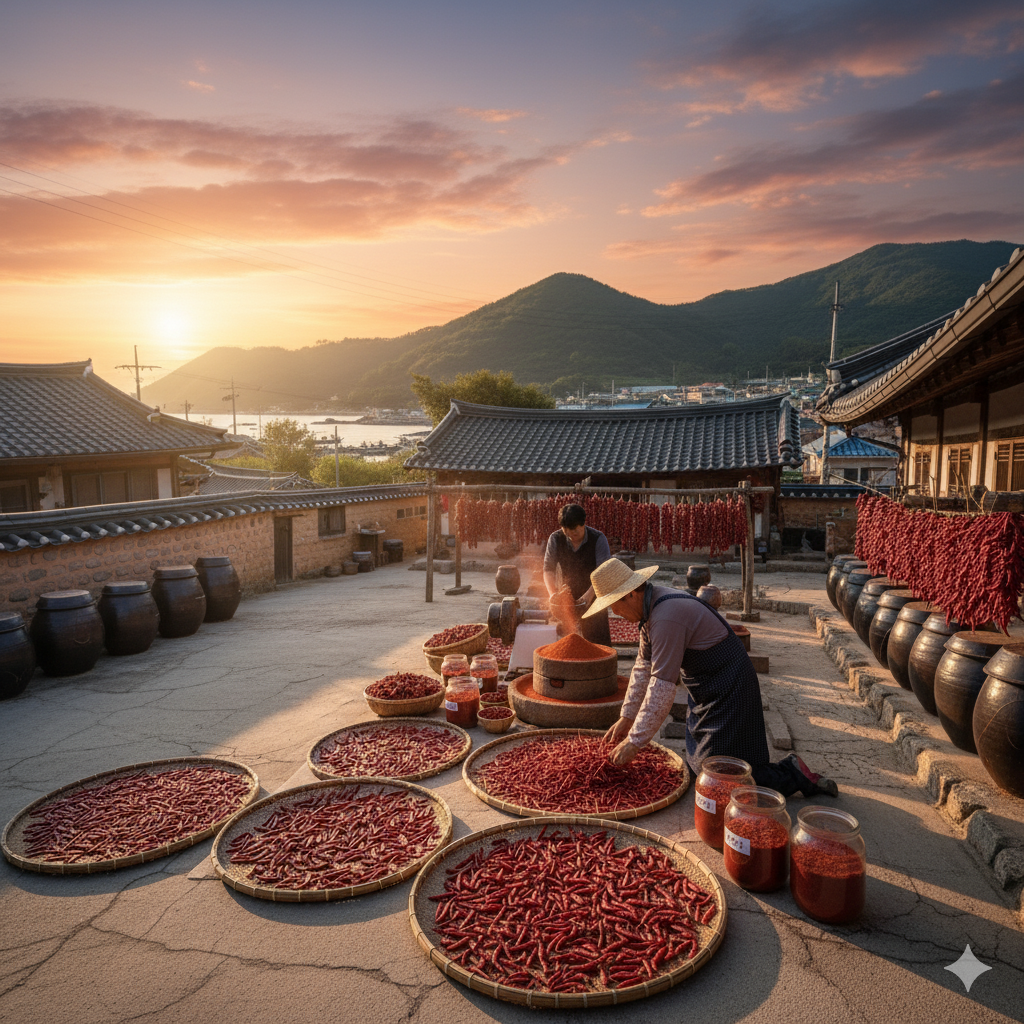
For those growing their own peppers for homemade gochugaru, planning the garden season around gochugaru production ensures the freshest possible ingredients. Korean pepper seeds are available from specialty seed companies and should be started indoors in early spring for fall harvest. The traditional gochugaru making process often involves community efforts where families process large quantities of peppers together, making it both a practical and social activity.
The Traditional Gochugaru Making Process: Time-Honored Techniques
The authentic traditional gochugaru making process has been refined over centuries to produce the highest quality Korean chili flakes. Understanding these time-tested methods is essential for anyone serious about learning how to make gochugaru that matches the quality of the finest commercial products. The process involves several distinct phases, each critical to the final product’s flavor, texture, and storage life.
Preparation and Cleaning Phase
The first step in how to make gochugaru involves thorough preparation and cleaning of the selected peppers. This phase of the Korean chili flakes recipe requires careful attention to detail, as any contamination or poor preparation can affect the entire batch. Begin by washing the peppers in cold water, gently scrubbing to remove any dirt or debris while being careful not to damage the pepper skins.
After washing, the peppers must be completely dried before proceeding with the traditional gochugaru making process. Use clean kitchen towels to pat each pepper dry, paying special attention to the stem area where water tends to collect. Any residual moisture can lead to mold development during the drying process, potentially ruining the entire batch of homemade gochugaru.
The next step involves removing the stems and making a decision about seeds. Traditional methods often include seeds, as they contribute to both flavor complexity and heat level. However, for milder homemade gochugaru or when using particularly hot pepper varieties as a gochugaru substitute, removing seeds may be desirable. When learning how to dry chili peppers for gochugaru, remember that seeds also add to the final yield and provide texture variation in the finished product.
Blanching: An Optional but Beneficial Step
Some versions of the traditional gochugaru making process include a brief blanching step that can improve both color retention and drying efficiency. This optional phase in the Korean chili flakes recipe involves quickly boiling the prepared peppers for 2-3 minutes, then immediately plunging them into ice water to stop the cooking process.
Blanching helps preserve the vibrant red color that makes quality gochugaru so visually appealing. The brief cooking process also helps break down cell walls slightly, which can reduce drying time and create a more uniform texture in the finished homemade gochugaru. However, blanching is not essential, and many traditional producers skip this step entirely, preferring the more intense flavor that comes from purely dried peppers.
When deciding whether to include blanching in your how to make gochugaru process, consider your priorities. If color retention is important and you have the extra time, blanching can be beneficial. For the most traditional approach and maximum flavor intensity, proceeding directly to drying without blanching follows the most authentic traditional gochugaru making process.
Drying Methods: How to Dry Chili Peppers for Gochugaru
Mastering how to dry chili peppers for gochugaru is perhaps the most critical aspect of the entire process. The drying method you choose will significantly impact the final flavor, color, and quality of your homemade gochugaru. Traditional Korean methods emphasize slow, gentle drying that preserves maximum flavor compounds while ensuring complete moisture removal for long-term storage.
Sun Drying: The Traditional Method
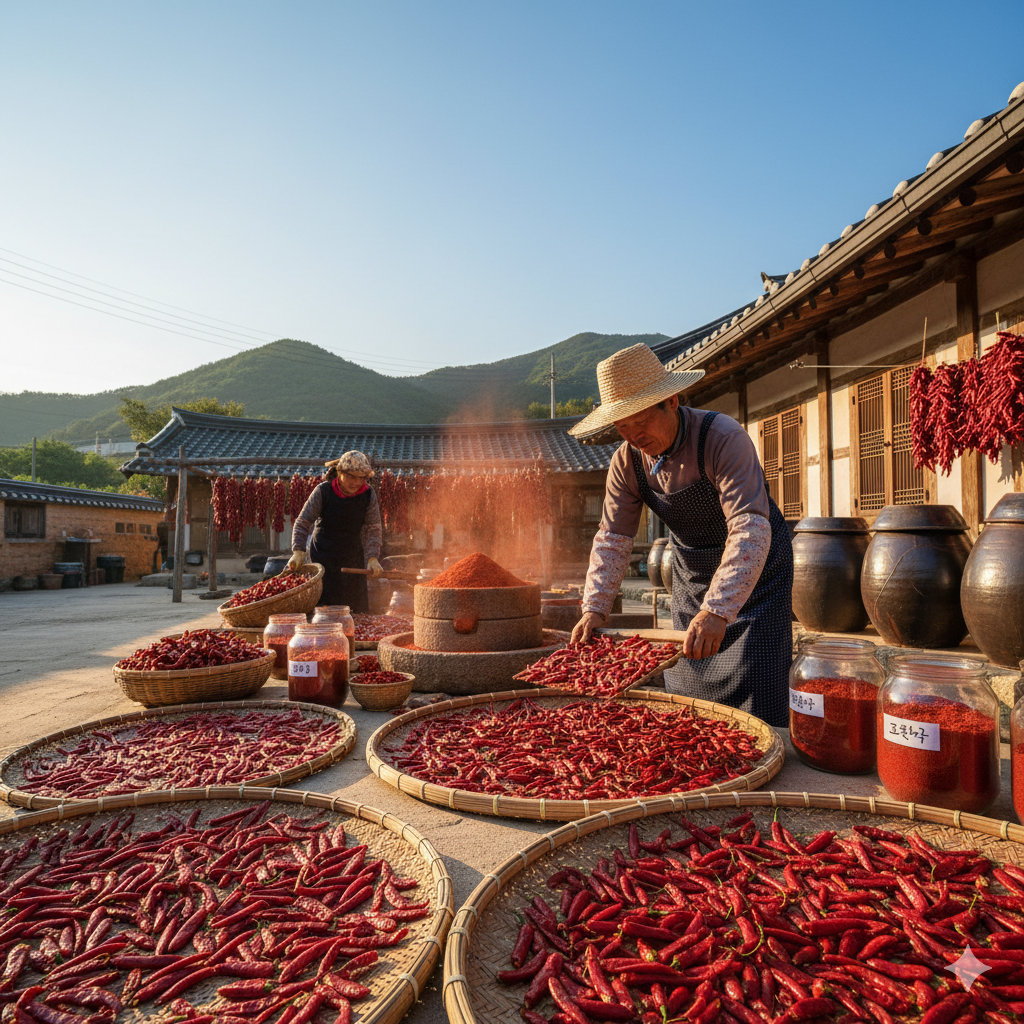
The most authentic approach to how to dry chili peppers for gochugaru involves sun drying, a method that has been used in the traditional gochugaru making process for centuries. This technique requires patience but produces the most complex and nuanced flavors in the finished Korean chili flakes recipe. Sun drying allows the peppers to slowly lose moisture while concentrating flavors and developing the characteristic sweetness that defines quality gochugaru.
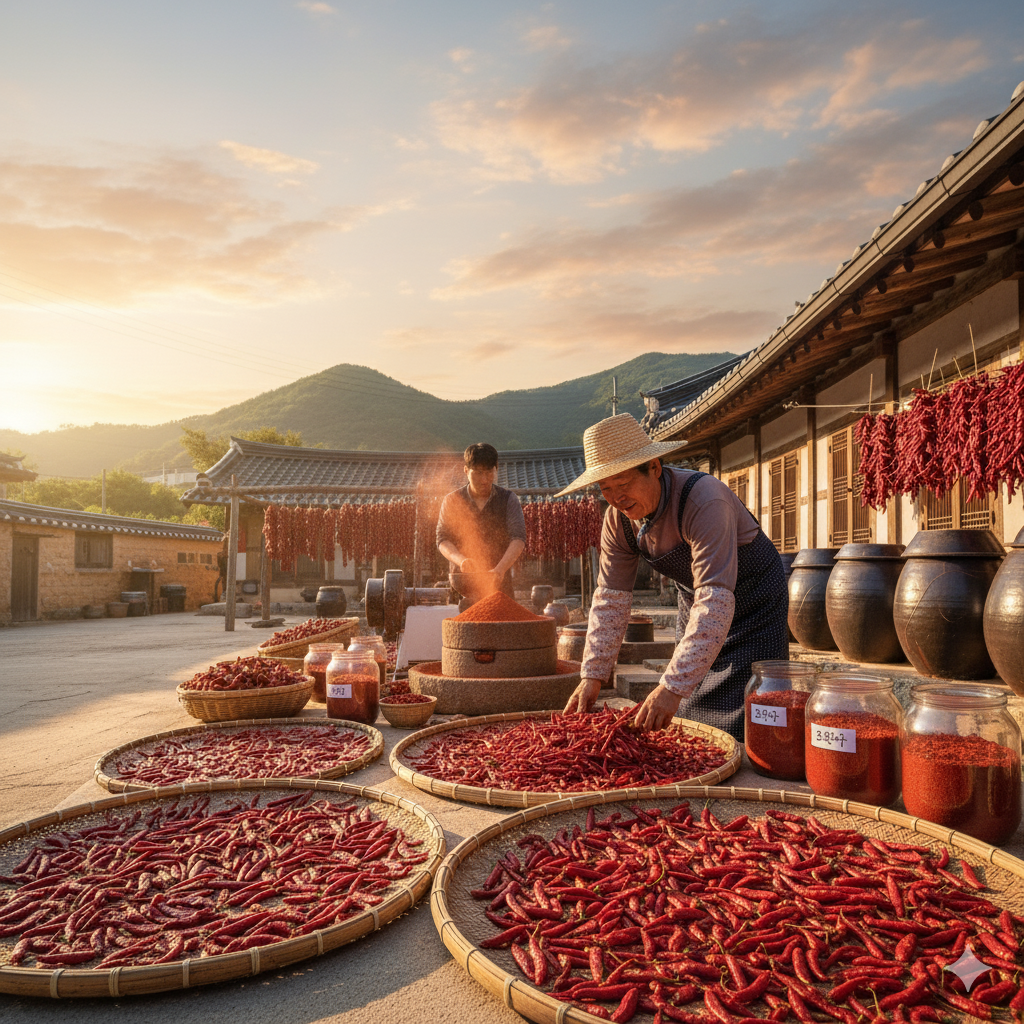
To sun dry peppers for homemade gochugaru, spread the prepared peppers in a single layer on bamboo mats or clean screens. Traditional Korean households often use specialized bamboo drying mats called “chae-ban” that allow excellent air circulation. The peppers should be covered with fine mesh or cheesecloth to protect them from insects while allowing air flow and sun exposure.
The sun drying process typically takes 5-7 days in optimal conditions, though this can vary significantly based on weather, humidity, and pepper size. Peppers should be brought indoors each evening to prevent moisture reabsorption from dew and turned daily to ensure even drying. This patient approach to how to dry chili peppers for gochugaru results in the most authentic flavor profile and follows the traditional gochugaru making process most closely.
Oven Drying: A Reliable Alternative
For those unable to sun dry or living in climates unsuitable for traditional methods, oven drying offers a reliable alternative for creating homemade gochugaru. This method provides better control over conditions and can produce excellent results when done properly. The key to successful oven drying in your Korean chili flakes recipe is using low temperatures and ensuring adequate air circulation.
Set your oven to its lowest temperature setting, ideally around 150°F (65°C). Higher temperatures can cook the peppers rather than dry them, resulting in different flavor characteristics that don’t match the traditional gochugaru making process. Arrange peppers in a single layer on baking sheets lined with parchment paper, ensuring they don’t overlap or touch.
The oven door should be propped slightly open to allow moisture to escape and air to circulate. This modification to how to make gochugaru using modern equipment helps simulate the air circulation that occurs naturally during sun drying. Depending on pepper size and moisture content, oven drying typically takes 8-12 hours, with peppers needing to be rotated every 2-3 hours for even drying.
Dehydrator Method: Modern Convenience
Food dehydrators offer perhaps the most consistent and controllable method for how to dry chili peppers for gochugaru in modern kitchens. This approach to creating homemade gochugaru provides excellent results while requiring less monitoring than oven drying. The controlled temperature and consistent air flow make dehydrators ideal for the Korean chili flakes recipe when traditional methods aren’t practical.
Set the dehydrator to 135°F (57°C), which closely approximates the gentle heat that occurs in traditional sun drying methods. This temperature setting ensures that the peppers dry thoroughly without cooking, preserving the flavor compounds that make quality gochugaru special. Arrange pepper pieces on dehydrator trays, ensuring adequate spacing for air circulation.
Dehydrator drying typically takes 6-10 hours, depending on pepper size and initial moisture content. The consistent temperature and air flow make this method particularly suitable for beginners learning how to make gochugaru, as it reduces the risk of over-drying or uneven results that can occur with other methods. While not strictly traditional, dehydrator drying produces excellent homemade gochugaru that closely matches the quality of the traditional gochugaru making process.
Grinding and Processing: Achieving the Perfect Texture
Once you’ve successfully completed the drying phase of how to make gochugaru, the grinding and processing stage determines the final texture and usability of your homemade gochugaru. The traditional gochugaru making process emphasizes creating a mix of particle sizes that provides both visual appeal and functional versatility in cooking applications. Understanding proper grinding techniques is crucial for producing Korean chili flakes recipe results that match commercial quality standards.
Equipment Selection for Grinding
Choosing the right equipment for grinding your dried peppers is essential for successful homemade gochugaru production. Traditional Korean methods often employed stone mortars and pestles, which produced the ideal texture through slow, controlled grinding. Modern home cooks have several equipment options, each with distinct advantages for the Korean chili flakes recipe process.
Spice grinders or coffee grinders dedicated to spice use work excellently for small batches when learning how to make gochugaru. These devices provide good control over particle size and can produce the varied texture that characterizes authentic gochugaru. Clean the grinder thoroughly before and after use to prevent flavor contamination, and consider owning a separate grinder specifically for spice processing to avoid coffee flavor transfer.
Food processors can handle larger batches effectively, though they require careful monitoring to achieve the proper texture for homemade gochugaru. The key is processing in short pulses rather than continuous grinding, which allows better control over final particle size. This approach to the traditional gochugaru making process helps prevent over-processing that can create too fine a powder, losing the characteristic flake texture that makes gochugaru distinctive.
Achieving the Proper Grind Consistency
The hallmark of quality gochugaru is its varied particle size, ranging from coarse flakes to medium-fine pieces. This texture variation is crucial when learning how to make gochugaru that performs well in different cooking applications. Coarse flakes provide visual appeal and texture in dishes like kimchi, while finer particles dissolve better in marinades and sauces.
Start the grinding process with completely dried peppers that are brittle and crack easily when bent. Any remaining moisture will create problems in the grinding phase and can lead to caking or poor storage characteristics in the finished homemade gochugaru. The peppers should make a crisp sound when broken, indicating complete moisture removal from the earlier drying phase.
Process the dried peppers in small batches to maintain better control over the final texture. Large batches can lead to uneven grinding, with some pieces becoming too fine while others remain too coarse. The traditional gochugaru making process emphasizes patience and attention to detail during this critical phase, as the grinding consistency directly affects the final product’s cooking performance and visual appeal.
Sieving and Sorting
After grinding, proper sieving separates your homemade gochugaru into different grades, just as commercial producers do in the traditional gochugaru making process. Using fine mesh sieves of different gauges allows you to create multiple grades of Korean chili flakes recipe products for different culinary applications. This sorting process adds versatility to your homemade production and ensures consistent results in cooking.
Coarse gochugaru, which doesn’t pass through fine sieves, works excellently for dishes where texture and visual appeal are important. This grade provides the distinctive appearance that makes Korean dishes so recognizable and adds textural interest to preparations like kimchi or as garnishes. The coarse grade often contains small pieces of pepper skin that add both flavor complexity and visual appeal to finished dishes.
Medium and fine grades of homemade gochugaru, which pass through progressively finer sieves, work better for marinades, soups, and applications where smooth integration is important. These finer grades dissolve more readily and distribute more evenly throughout dishes, making them ideal for creating the consistent heat and color that characterize well-made Korean sauces and marinades.
Storage and Preservation: Maintaining Quality Long-Term
Proper storage techniques are essential for maintaining the quality and flavor of your homemade gochugaru over extended periods. Understanding how to store your Korean chili flakes recipe products correctly ensures that the effort invested in the traditional gochugaru making process continues to pay dividends for months or even years. Proper storage also prevents the deterioration that can make even the finest gochugaru substitute products lose their effectiveness over time.
Container Selection and Preparation
Choosing appropriate storage containers is crucial for long-term preservation of homemade gochugaru quality. Glass jars with tight-fitting lids provide excellent moisture protection and don’t absorb flavors or odors that could contaminate your Korean chili flakes recipe products. Mason jars work particularly well, as their sealing mechanisms provide reliable moisture barriers that preserve the crisp texture essential to quality gochugaru.
Before using any storage containers for your homemade gochugaru, ensure they are completely clean and thoroughly dry. Any residual moisture can lead to mold development or caking that will ruin your carefully prepared spice blend. Sterilizing jars by washing in hot, soapy water followed by a hot oven treatment (200°F for 10 minutes) ensures optimal storage conditions for your traditional gochugaru making process results.
Label each container clearly with the production date and pepper variety used, as this information becomes valuable for tracking quality and planning future batches. Include notes about the specific grinding grade if you’ve created multiple textures from the same batch. This documentation helps you refine your how to make gochugaru technique over time and provides valuable reference information for future production cycles.
Environmental Factors and Storage Conditions
The storage environment significantly impacts the longevity and quality of homemade gochugaru. Cool, dark locations provide the best conditions for preserving both color and flavor compounds that make your Korean chili flakes recipe products special. Avoid storing gochugaru in areas subject to temperature fluctuations, such as near stoves or in direct sunlight, as these conditions accelerate deterioration.
Humidity control is equally important for maintaining the quality of your homemade gochugaru over time. High humidity can cause caking or even mold development, while extremely dry conditions can cause flavor compounds to volatilize more rapidly. A consistent storage environment with moderate humidity levels helps preserve the texture and flavor characteristics that result from proper application of the traditional gochugaru making process.
Consider using desiccant packets in storage containers if you live in a particularly humid climate or if your storage area lacks climate control. These packets help absorb excess moisture without affecting the flavor of your gochugaru substitute products. However, ensure that desiccant packets are food-safe and don’t come into direct contact with the spice itself.
Quality Assessment and Troubleshooting
Understanding how to evaluate the quality of your homemade gochugaru helps ensure consistent results and identifies areas for improvement in your Korean chili flakes recipe technique. Quality assessment involves examining multiple characteristics, from visual appearance to flavor intensity, that indicate successful application of the traditional gochugaru making process. Learning to identify and correct common problems helps you refine your skills and produce increasingly better results over time.
Visual and Textural Quality Indicators
High-quality homemade gochugaru should display a vibrant, deep red color that indicates proper pepper selection and processing. Fading or brownish colors suggest either poor initial pepper quality, excessive heat during processing, or degradation due to improper storage. The color should be relatively uniform throughout the batch, though some natural variation is expected and even desirable in artisanal products.
Texture provides another important quality indicator for your Korean chili flakes recipe results. Properly made gochugaru should consist of flakes rather than fine powder, with pieces that maintain some structure while being dry and crisp. Caking or clumping indicates moisture problems either during the drying phase or in storage, while overly fine texture suggests excessive grinding that doesn’t match traditional gochugaru making process standards.
The flakes should have a pleasant, slightly oily feel when rubbed between fingers, indicating proper retention of natural pepper oils that contribute to flavor. Completely dry, dusty texture may indicate over-drying or old age, while any moisture or stickiness suggests inadequate drying that could lead to spoilage problems.
Flavor Profile Evaluation
Authentic homemade gochugaru should exhibit a complex flavor profile that balances moderate heat with natural sweetness and subtle smoky notes. The heat should be warm and building rather than sharp or burning, reflecting the characteristics of properly selected peppers and careful processing. If your gochugaru substitute products taste overly hot or lack complexity, consider adjusting pepper selection or processing techniques for future batches.
The sweetness component in quality gochugaru comes from natural sugars concentrated during the drying process and should be readily apparent alongside the heat. This sweetness distinguishes authentic Korean chili flakes recipe products from generic chili powders and contributes to the versatility that makes gochugaru suitable for both savory and slightly sweet applications.
Aroma evaluation also provides insights into quality and proper application of the traditional gochugaru making process. Fresh, properly made gochugaru should have a rich, fruity aroma with warm spice notes. Musty or off odors indicate problems with either the drying process or storage conditions that need to be addressed in future production cycles.
Creative Applications and Recipe Development
Understanding how to make gochugaru opens up numerous creative possibilities beyond traditional Korean applications. Your homemade gochugaru can serve as the foundation for innovative fusion dishes and creative seasoning blends that showcase the versatility of this remarkable ingredient. Exploring different applications helps you fully appreciate the effort invested in the traditional gochugaru making process while expanding your culinary repertoire.
Traditional Korean Applications
The most authentic applications for homemade gochugaru involve classic Korean dishes where this spice plays a central role. Kimchi represents perhaps the most famous application, where gochugaru provides both heat and the characteristic red color that makes this fermented vegetable dish so recognizable. Understanding proper gochugaru use in kimchi helps you appreciate the nuanced role this spice plays in Korean cuisine.
Bulgogi and other Korean barbecue marinades rely heavily on gochugaru for both flavor and color. The natural sweetness in quality homemade gochugaru complements the sugar and fruit juices typically used in these marinades, creating complex flavor profiles that distinguish Korean barbecue from other grilled meat preparations. Your Korean chili flakes recipe products can elevate these dishes significantly compared to generic chili powder substitutes.
Korean soups and stews, such as kimchi jjigae and sundubu jjigae, depend on gochugaru for their characteristic appearance and flavor base. The varied particle sizes in properly made homemade gochugaru contribute both dissolved heat and visible flakes that add textural interest to these comfort food preparations.
Fusion and Innovation Opportunities
Modern cooks are discovering that homemade gochugaru works excellently in non-Korean applications where moderate heat and complex flavor are desired. Pizza makers have begun incorporating gochugaru into spice blends and even directly onto finished pizzas, where the flakes add both heat and visual appeal. The sweet-heat balance makes it particularly suitable for pizzas with sweet elements like caramelized onions or fruit toppings.
Cocktail applications represent another innovative use for homemade gochugaru, particularly in rim seasonings for Korean-inspired drinks. The complex flavor profile and attractive appearance make it excellent for creative cocktail presentations, while the moderate heat level doesn’t overwhelm the drink’s other flavors. This application showcases the versatility that results from mastering how to make gochugaru properly.
Chocolate and dessert applications may seem unusual, but the natural sweetness and moderate heat in quality homemade gochugaru can complement dark chocolate beautifully. Artisanal chocolate makers and pastry chefs are beginning to explore these combinations, creating unique products that showcase the complexity achievable through the traditional gochugaru making process.
Conclusion: Mastering the Art of Gochugaru Production
Learning how to make gochugaru represents more than just acquiring a new cooking skill; it connects you to centuries of Korean culinary tradition while providing complete control over this essential ingredient’s quality and availability. The journey from fresh peppers to finished homemade gochugaru requires patience, attention to detail, and respect for the traditional gochugaru making process that has been refined over generations.
The skills developed through creating your own Korean chili flakes recipe extend beyond this single ingredient to encompass broader understanding of spice processing, flavor development, and quality control. Whether you’re seeking a reliable gochugaru substitute for hard-to-find commercial products or simply wanting to ensure the highest quality ingredients in your Korean cooking, the techniques outlined in this guide provide a solid foundation for success.
The satisfaction of creating authentic homemade gochugaru that rivals or exceeds commercial products makes the investment in time and effort worthwhile for serious Korean cooking enthusiasts. The ability to control every aspect of the process, from pepper selection to final storage, ensures that your Korean chili flakes recipe products meet your exact specifications and quality standards.
As you continue to refine your technique for how to dry chili peppers for gochugaru and perfect the traditional gochugaru making process, remember that each batch provides learning opportunities and chances for improvement. The combination of traditional methods with modern equipment and understanding creates possibilities for innovation while maintaining respect for the authentic character that makes gochugaru such a treasured ingredient in Korean cuisine.
Through mastering how to make gochugaru, you gain not only a valuable cooking skill but also a deeper appreciation for the complexity and sophistication of Korean culinary traditions. This knowledge enhances your cooking capabilities while connecting you to the rich cultural heritage that surrounds one of Asia’s most distinctive and beloved ingredients.