
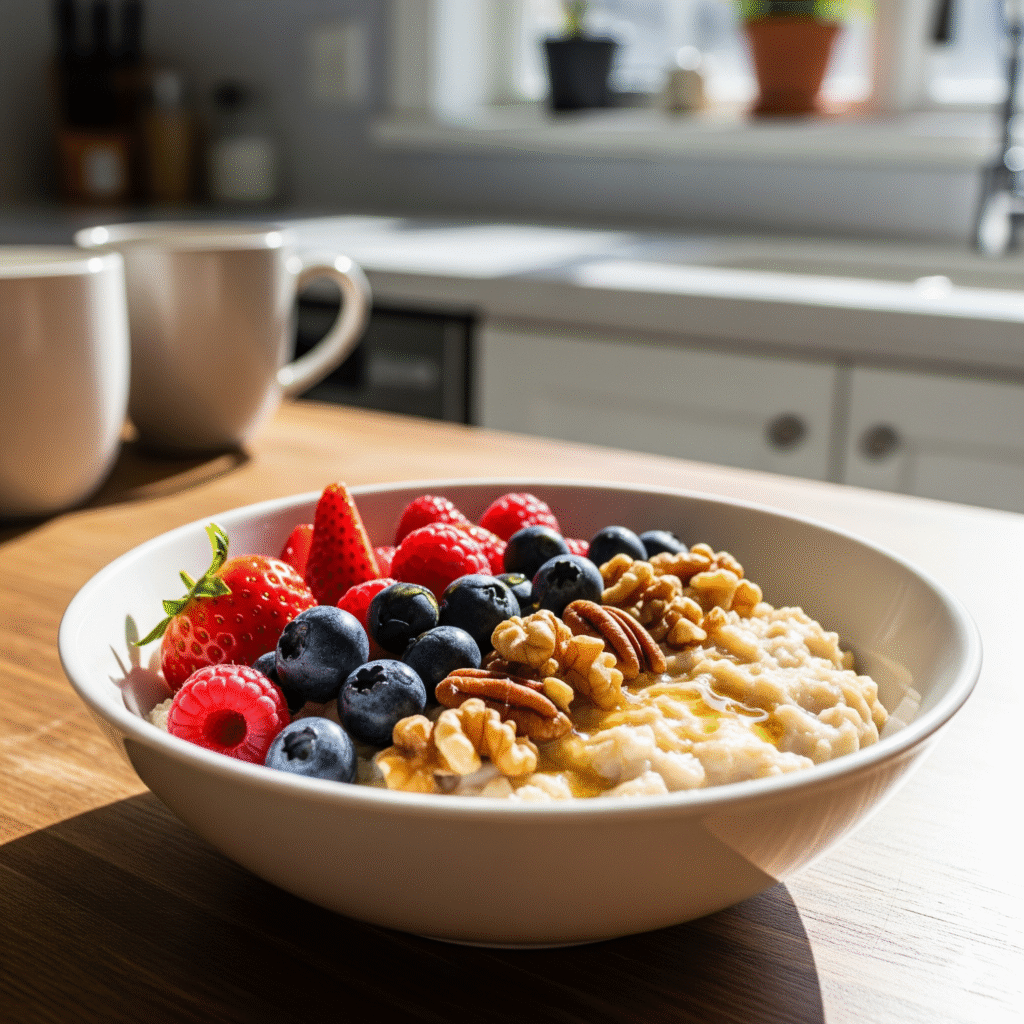
Classic Oatmeal Recipe for One Person
| Ingredient | Amount | Purpose |
|---|---|---|
| Old-fashioned rolled oats | ½ cup | Base of the oatmeal |
| Water | ¾ cup | Liquid for cooking |
| Milk (optional) | ¼ cup | Creaminess enhancement |
| Salt | ¼ teaspoon | Flavor enhancement |
| Butter | 1 tablespoon | Richness and texture |
| Brown sugar | 1-2 tablespoons | Natural sweetness |
| Vanilla extract | ½ teaspoon | Flavor depth |
| Cinnamon | ¼ teaspoon | Warm spice element |
Cooking Instructions:
- Bring water and salt to boil in small saucepan
- Add oats and reduce heat to medium-low
- Cook 5-7 minutes, stirring occasionally
- Add milk if desired, cook 1-2 minutes more
- Stir in butter, vanilla, and cinnamon
- Sweeten with brown sugar to taste
- Serve immediately while hot
In a world of elaborate breakfast trends and complicated morning routines, Classic Oatmeal stands as a beacon of simplicity, nutrition, and comfort. This timeless breakfast option has nourished generations with its humble ingredients and satisfying warmth, proving that the best meals often come from the most basic components. When prepared as a perfect portion for one person, Classic Oatmeal becomes not just a meal, but a mindful morning ritual that sets the tone for a productive day ahead.
The beauty of this single-serve oatmeal recipe lies in its adaptability and foolproof nature. Whether you’re a busy professional rushing to start your day, a student seeking affordable nutrition, or someone who simply appreciates the meditative quality of preparing a warm breakfast, mastering oatmeal for one person opens up countless possibilities for customization and creativity. This comprehensive guide will transform your understanding of this simple grain, elevating your morning routine from mundane to magnificent.
The Historical Significance of Oats in Global Cuisine
Classic Oatmeal has roots that extend deep into human agricultural history, with oats being cultivated for over 4,000 years across various civilizations. Originally considered a weed among other cereal crops, oats eventually gained recognition for their hardy nature and exceptional nutritional profile. Scottish and Irish cultures particularly embraced oats, developing techniques for processing and preparing them that influence modern homemade oatmeal preparation methods.
The transition from communal cooking to individual portions reflects changing lifestyle patterns and dietary awareness. Modern single-serve oatmeal recipe development acknowledges that many people live alone, have different dietary needs within households, or prefer controlling their exact portion sizes. This shift toward personalized nutrition has made learning how to make classic Oatmeal for one person step by step an essential culinary skill for contemporary living.
Understanding this historical context enriches the experience of preparing Classic Oatmeal. Each bowl connects you to generations of people who found sustenance, comfort, and energy in this simple grain. The methods passed down through families and refined over centuries contribute to the techniques that make modern Oatmeal for one person preparation both efficient and satisfying.
Nutritional Powerhouse: Understanding Oat Benefits
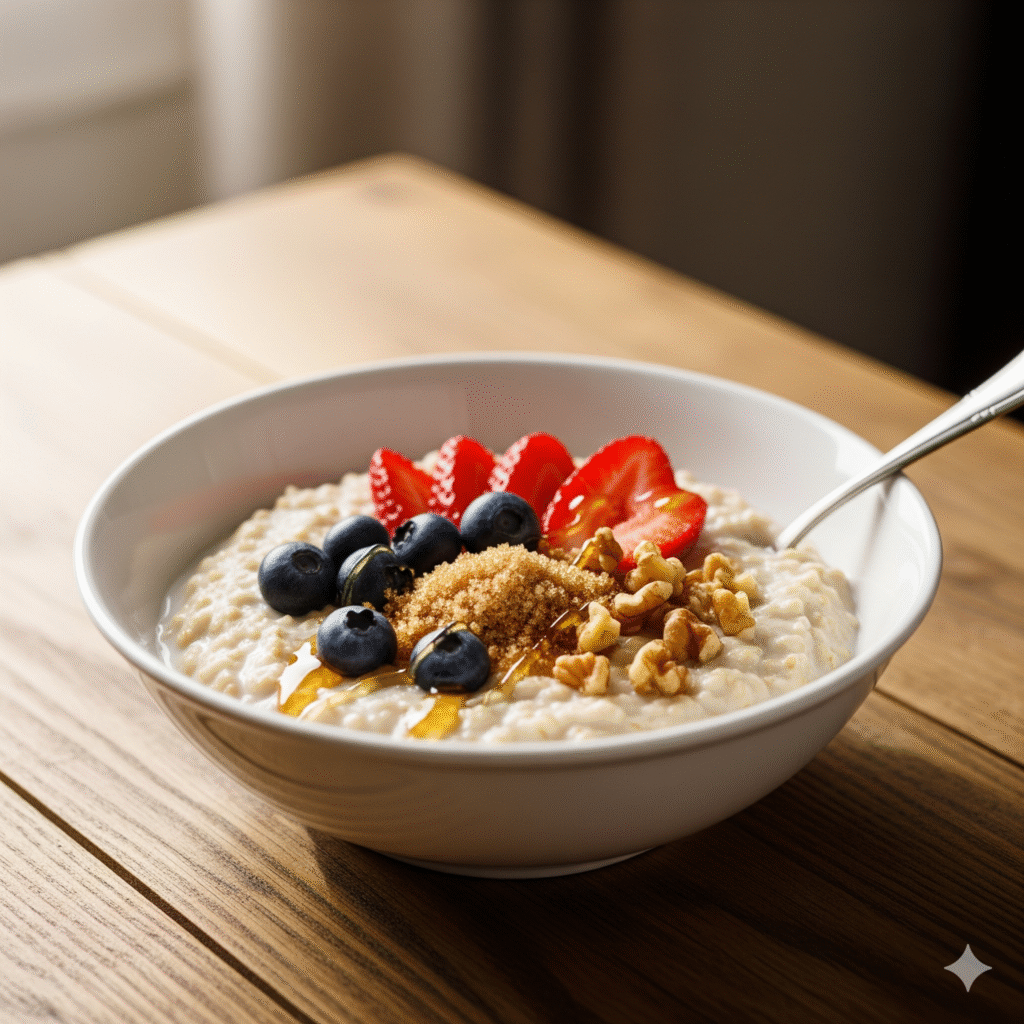
Classic Oatmeal deserves recognition as one of nature’s most complete breakfast foods, offering a remarkable combination of macronutrients, vitamins, minerals, and bioactive compounds. A single serving of this quick and healthy oatmeal recipe for breakfast provides complex carbohydrates that deliver sustained energy release, preventing the mid-morning crashes associated with sugary breakfast alternatives.
The protein content in oats, while not complete, provides essential amino acids that support muscle maintenance and satiety. When combined with milk in your single-serve oatmeal recipe, the protein profile becomes more complete, making this homemade oatmeal an excellent choice for active individuals or those seeking to maintain stable blood sugar levels throughout the morning.
Beta-glucan, the soluble fiber found abundantly in oats, has been extensively studied for its cholesterol-lowering properties. Regular consumption of Classic Oatmeal can contribute to heart health by helping reduce LDL (bad) cholesterol levels while supporting healthy digestion. This fiber also promotes feelings of fullness, making your oatmeal for one person an effective tool for weight management and appetite control.
The mineral content of Classic Oatmeal includes significant amounts of manganese, phosphorus, magnesium, copper, iron, and zinc. These minerals support various bodily functions from bone health to immune system function. The B-vitamin complex present in oats, particularly thiamine and folate, supports nervous system health and energy metabolism.
Selecting the Right Oats: Quality Matters
The foundation of exceptional Classic Oatmeal begins with selecting high-quality oats appropriate for single-serving preparation. Old-fashioned rolled oats represent the gold standard for this quick and healthy oatmeal recipe for breakfast, offering the ideal balance of cooking time, texture, and nutritional retention. These oats have been steamed and rolled to reduce cooking time while preserving their structural integrity and nutritional value.
Steel-cut oats, while nutritionally superior and offering excellent texture, require longer cooking times that may not suit single-serve preparation needs. However, some dedicated oatmeal enthusiasts prepare steel-cut oats in larger batches and reheat portions throughout the week. Quick-cooking oats sacrifice some texture and nutrition for convenience but work well when time constraints are paramount.
Organic oats offer additional benefits by ensuring no synthetic pesticides or fertilizers were used in cultivation. Many people notice improved taste and texture when using organic oats in their single-serve oatmeal recipe. The investment in quality ingredients pays dividends in both flavor and nutritional value, making each bowl of homemade oatmeal more satisfying and healthful.
Storage considerations become important when purchasing oats for regular oatmeal for one person preparation. Proper storage in airtight containers away from light, heat, and moisture preserves freshness and prevents rancidity. Old-fashioned oats typically maintain peak quality for 18-24 months when stored properly, making bulk purchases economical for regular oatmeal consumers.
Mastering Liquid Ratios: The Science of Perfect Texture
Creating the perfect Classic Oatmeal requires understanding the relationship between oats and cooking liquids. The standard ratio of 2:1 liquid to oats provides a creamy consistency that most people find appealing, but personal preferences and oat varieties may require adjustments. This easy stovetop oatmeal recipe for one with milk or water becomes more successful when you understand how different liquids affect final texture and flavor.
Water alone produces a clean, neutral-flavored base that allows toppings and mix-ins to shine. However, using only water can result in a less creamy texture that some find unsatisfying. Many successful single-serve oatmeal recipe preparations use a combination of water and milk, typically starting with water for cooking and finishing with milk for creaminess.
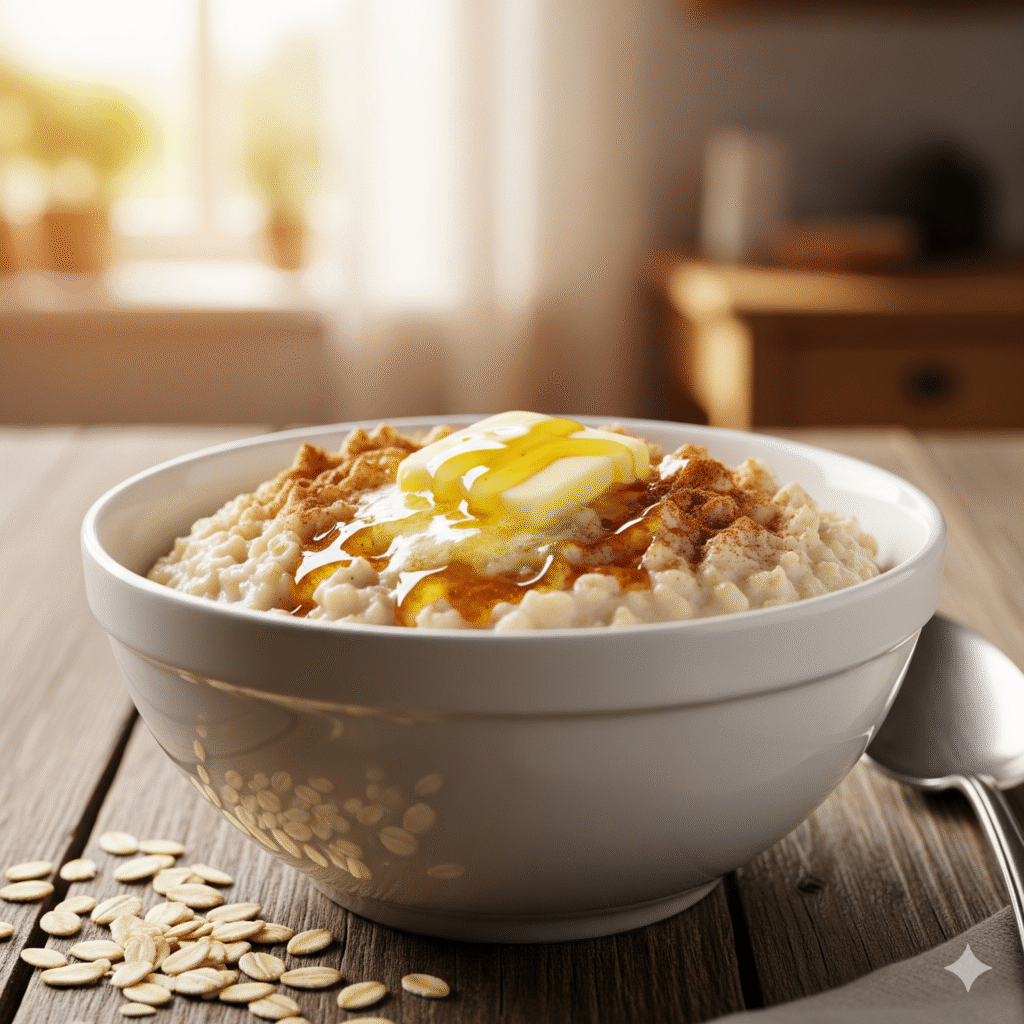
Whole milk provides the richest, creamiest results but adds significant calories and saturated fat. Two percent milk offers a good compromise between richness and health consciousness, while skim milk provides protein and calcium with minimal fat. Plant-based alternatives like almond, oat, or soy milk each contribute unique flavors and nutritional profiles to your homemade oatmeal.
The cooking technique affects how liquids integrate with oats. Bringing liquid to a full boil before adding oats helps ensure even cooking, while maintaining gentle heat during the cooking process prevents sticking and scorching. Understanding these principles makes learning how to make classic oatmeal for one person step by step more intuitive and successful.
Temperature Control and Timing Techniques
Achieving perfect Classic Oatmeal consistency requires careful attention to temperature control throughout the cooking process. This quick and healthy oatmeal recipe for breakfast succeeds when you master the relationship between heat levels and cooking times. Starting with high heat to bring liquids to a boil quickly prevents evaporation that could throw off your carefully measured ratios.
Once oats are added, reducing heat to medium-low prevents rapid boiling that can cause oats to become mushy or stick to the pan bottom. The gentle simmer allows oats to absorb liquid gradually while maintaining their individual grain structure. This technique is crucial for successful oatmeal for one person preparation, as smaller quantities are more susceptible to overcooking.
Stirring frequency affects final texture significantly. Too much stirring can break down oat structure and create a porridge-like consistency, while too little stirring can result in uneven cooking and hot spots. The ideal approach involves stirring every 1-2 minutes during the cooking process, using a gentle folding motion rather than aggressive mixing.
Visual and textural cues help determine doneness better than strict timing. Properly cooked Classic Oatmeal should appear creamy with individual oat pieces still visible and maintain a consistency that coats the spoon without being too thick or too thin. This easy stovetop oatmeal recipe for one with milk or water develops intuition through practice and attention to these subtle signs.
Essential Equipment for Single-Serve Success
Preparing perfect Classic Oatmeal doesn’t require expensive equipment, but having the right tools makes the process more efficient and enjoyable. A heavy-bottomed small saucepan, typically 1-2 quart capacity, provides even heat distribution essential for preventing hot spots that can burn your single-serve oatmeal recipe. Non-stick surfaces help prevent sticking, though they’re not absolutely necessary with proper technique.
A wooden spoon or heat-resistant silicone spatula works best for stirring, as these materials won’t scratch cookware surfaces and don’t conduct heat that could burn your hand. Metal spoons can work but may get uncomfortably hot during cooking and can potentially damage non-stick surfaces.
Measuring cups and spoons ensure consistency between batches of your homemade oatmeal. Accurate measurements become particularly important when preparing oatmeal for one person, as small variations can significantly affect the final product. Digital kitchen scales offer the most precision but aren’t necessary for basic oatmeal preparation.
A fine-mesh strainer can be useful for rinsing oats before cooking, particularly when using bulk or organic varieties that may contain more debris. Some preparation methods for learning how to make classic oatmeal for one person step by step include this rinsing step to remove excess starch and potential impurities.
Flavor Enhancement Strategies
While Classic Oatmeal is delicious in its pure form, strategic flavor enhancement can transform this simple dish into a gourmet experience. Salt plays a crucial role that many home cooks overlook – even a small pinch enhances all other flavors and prevents the flat taste that unsalted oats can sometimes exhibit. This quick and healthy oatmeal recipe for breakfast benefits tremendously from proper seasoning at the cooking stage.
Vanilla extract added during cooking provides depth and warmth that complements oats’ natural nuttiness. Real vanilla extract offers superior flavor compared to imitation varieties, and the small amount needed for a single-serve oatmeal recipe makes the cost difference negligible. Adding vanilla during cooking allows the flavor to penetrate throughout rather than sitting on the surface.
Cinnamon represents perhaps the most classic oatmeal spice, providing warmth and subtle sweetness without adding calories. Ground cinnamon works well when added during cooking, while cinnamon sticks can be simmered with the liquid for more delicate flavor infusion. Other warming spices like nutmeg, cardamom, or ginger can provide interesting variations for your homemade oatmeal.
Sweetening strategies affect both flavor and nutrition. Brown sugar provides molasses notes that complement oats beautifully, while honey offers floral complexity and potential health benefits. Maple syrup provides distinctive flavor, though it can be expensive for daily use. Natural fruit sweetness from additions like mashed banana or applesauce reduces the need for added sugars while contributing additional nutrients.
Topping Combinations and Nutritional Boosters
The versatility of Classic Oatmeal shines through endless topping possibilities that can transform your oatmeal for one person into different flavor experiences throughout the week. Fresh fruits provide natural sweetness, vitamins, and texture contrasts that make each bowl more interesting and nutritionally complete. Berries offer antioxidants and tartness that balance oats’ mild flavor, while bananas provide potassium and natural creaminess.
Nuts and seeds transform this easy stovetop oatmeal recipe for one with milk or water into a more substantial meal with healthy fats and protein. Almonds, walnuts, pecans, and pistachios each offer unique flavors and textures, while seeds like chia, flax, or pumpkin seeds provide omega-3 fatty acids and additional fiber. Toasting nuts and seeds before adding enhances their flavor significantly.
Dried fruits require consideration of added sugars and portion sizes, but they can provide concentrated flavors and chewy textures that many people enjoy. Dates, apricots, and figs offer natural sweetness and interesting textures, while dried cranberries or cherries provide tartness that balances the mild oat flavor. Chopping larger dried fruits ensures even distribution throughout your single-serve oatmeal recipe.
Protein additions can transform Classic Oatmeal into a more balanced meal that provides sustained energy. Greek yogurt stirred into finished oatmeal adds protein and probiotics while creating extra creaminess. Protein powder can be incorporated, though it requires careful mixing to prevent clumping. Nut butters provide protein and healthy fats while contributing rich flavors that complement oats naturally.
Seasonal Variations and Themed Preparations
Adapting your Classic Oatmeal to seasonal ingredients keeps breakfast interesting throughout the year while taking advantage of peak flavor and nutritional periods for various additions. Spring variations might incorporate fresh strawberries and rhubarb, creating a tart-sweet combination that awakens the palate after winter’s heavier foods. This homemade oatmeal approach connects your breakfast to natural seasonal rhythms.
Summer preparations can showcase stone fruits like peaches, plums, and apricots, which pair beautifully with oats’ neutral flavor. Fresh berry combinations provide antioxidant powerhouses while creating visually appealing breakfast presentations. Cold oatmeal preparations become more appealing during hot weather, with overnight oats or chilled preparations offering refreshing alternatives to hot cooking.
Fall brings apple and pear seasons, along with warming spices that transform your quick and healthy oatmeal recipe for breakfast into a comforting seasonal ritual. Apple-cinnamon combinations evoke memories of autumn comfort foods, while pear-ginger preparations offer more sophisticated flavor profiles. Incorporating seasonal nuts like freshly harvested walnuts or pecans adds textural interest and peak flavor.
Winter oatmeal preparations might focus on warming spices and preserved fruits that provide comfort during cold months. This oatmeal for one person approach might incorporate citrus zest to provide brightness during darker months, while dried fruit and nut combinations provide concentrated energy for cold-weather activities.
Troubleshooting Common Preparation Issues
Even experienced cooks occasionally encounter problems when preparing Classic Oatmeal, but understanding common issues and solutions makes learning how to make classic oatmeal for one person step by step more successful. Mushy oatmeal typically results from overcooking, too much liquid, or excessive stirring. Reducing cooking time, adjusting liquid ratios, or stirring less frequently usually resolves texture problems.
Lumpy oatmeal often occurs when oats are added to insufficiently heated liquid or when stirring is inadequate during the initial cooking phase. Ensuring liquid reaches a full boil before adding oats and stirring immediately upon addition prevents most clumping issues. If lumps do form, vigorous stirring or brief whisking can usually break them apart.
Scorched or stuck oatmeal indicates excessive heat or insufficient stirring. Using heavy-bottomed cookware, maintaining appropriate heat levels, and stirring regularly prevents most sticking issues. If sticking occurs, removing the pan from heat immediately and stirring vigorously often salvages the batch without burned flavors.
Bland oatmeal usually reflects inadequate seasoning or flavoring. Remember that oats have a very mild flavor that benefits from enhancement. Adding salt during cooking and incorporating flavoring agents like vanilla, cinnamon, or sweeteners typically resolves taste issues. This single-serve oatmeal recipe success depends on proper seasoning more than many people realize.
Time Management and Morning Routine Integration
Incorporating Classic Oatmeal preparation into busy morning schedules requires strategic planning and efficient techniques. This easy stovetop oatmeal recipe for one with milk or water typically requires 8-10 minutes from start to finish, making it feasible for most morning routines when properly organized. Preparing ingredients the night before streamlines the morning process significantly.
Mise en place techniques, borrowed from professional kitchens, can transform your homemade oatmeal preparation from chaotic to calm. Measuring oats, gathering toppings, and organizing equipment before beginning cooking reduces stress and ensures consistent results. This preparation method makes the morning routine more meditative and enjoyable.
Multi-tasking strategies can help integrate oatmeal preparation with other morning activities. While oats simmer, you can prepare coffee, review daily schedules, or complete other quick tasks. The key lies in never leaving cooking oats unattended for more than a minute or two, as this quick and healthy oatmeal recipe for breakfast can go from perfect to overcooked quickly.
Make-ahead strategies offer alternatives for extremely busy schedules. Overnight oats require no morning cooking time, while batch-cooking steel-cut oats on weekends provides quick reheating options throughout the week. These approaches maintain the nutritional benefits while adapting to various lifestyle demands.
Storage and Reheating Techniques
While Classic Oatmeal is best enjoyed immediately after cooking, understanding proper storage and reheating techniques expands your options for meal planning and batch preparation. Properly stored leftover oatmeal for one person maintains quality for 3-5 days in the refrigerator when kept in airtight containers. Adding a layer of plastic wrap directly on the surface prevents skin formation during storage.
Reheating requires careful attention to prevent overcooking or drying out. Adding a splash of milk or water before reheating helps restore the original creamy texture. Microwave reheating works well with 30-second intervals and stirring between each interval. Stovetop reheating over low heat with frequent stirring provides more control but requires more attention.
Freezing cooked oatmeal offers extended storage options, though texture changes are inevitable. Frozen homemade oatmeal works best when portioned into individual servings before freezing. Thawing overnight in the refrigerator produces better results than quick thawing methods. Adding fresh toppings after reheating can mask any texture changes from freezing.
Batch preparation strategies can make this single-serve oatmeal recipe approach more efficient for busy schedules. Cooking larger quantities and portioning them provides quick breakfast options throughout the week. This approach works particularly well for steel-cut oats, which require longer cooking times that make daily preparation impractical for many people.
Health Considerations and Dietary Adaptations
Classic Oatmeal naturally accommodates many dietary restrictions and health considerations, making it an inclusive breakfast option for diverse nutritional needs. Gluten-free oats provide safe options for celiac disease sufferers, though cross-contamination during processing requires careful attention to certified gluten-free products. This quick and healthy oatmeal recipe for breakfast becomes truly healthy only when ingredient integrity is maintained.
Diabetic considerations focus on portion control and topping choices that don’t spike blood sugar levels. The high fiber content in oats helps moderate glucose absorption, making oatmeal for one person a reasonable choice for blood sugar management when prepared thoughtfully. Avoiding high-sugar toppings and incorporating protein sources helps create more balanced meals.
Vegan adaptations require replacing dairy milk with plant-based alternatives and ensuring all toppings meet dietary requirements. Many plant milks work excellently in this easy stovetop oatmeal recipe for one with milk or water, often providing unique flavors and nutritional profiles. Oat milk creates particularly creamy results while maintaining flavor compatibility.
Weight management applications benefit from oatmeal’s high satiety value and nutrient density. Controlling portion sizes and choosing nutrient-dense toppings supports weight goals while providing satisfying meals. The protein and fiber combination in properly prepared Classic Oatmeal helps control appetite throughout the morning.
Cost Analysis and Economic Benefits
Preparing Classic Oatmeal at home provides significant economic advantages over commercial breakfast alternatives, particularly when considering nutrition per dollar spent. A serving of homemade oatmeal typically costs $0.25-$0.50 depending on ingredient choices and toppings, compared to $3-$8 for restaurant breakfast options or $1-$3 for packaged breakfast foods.
Bulk purchasing of oats reduces per-serving costs further while ensuring consistent supply for regular single-serve oatmeal recipe preparation. Buying oats in 5-10 pound quantities from warehouse stores or online suppliers can reduce costs by 30-50% compared to small package purchases. Proper storage maintains quality throughout extended storage periods.
The nutritional return on investment makes Classic Oatmeal even more economical when compared to less nutritious alternatives. The combination of complex carbohydrates, fiber, protein, vitamins, and minerals provides exceptional value for money spent. This oatmeal for one person approach delivers restaurant-quality nutrition at home-cooking prices.
Hidden costs of commercial alternatives include packaging waste, transportation environmental impacts, and often inferior nutritional profiles. Making the commitment to learning how to make classic oatmeal for one person step by step provides long-term economic benefits while supporting more sustainable eating practices.
Cultural Variations and International Influences
While Classic Oatmeal represents a primarily Anglo-American breakfast tradition, oat preparations exist across various cultures, each offering unique techniques and flavor combinations. Scottish porridge traditions emphasize salt rather than sweet additions, creating savory preparations that pair well with traditional accompaniments. These techniques can inspire variations for your quick and healthy oatmeal recipe for breakfast.
Scandinavian oat preparations often incorporate lingonberries, cardamom, and cream, creating rich, aromatic breakfast experiences. These flavor combinations translate well to individual homemade oatmeal preparation, though ingredient availability may require substitutions. Exploring these international approaches adds variety and cultural richness to daily breakfast routines.
Asian influences might incorporate green tea powder, sesame seeds, or miso paste for umami depth that transforms traditional expectations of oatmeal flavoring. These adventurous approaches challenge preconceptions about what oatmeal for one person can become while expanding palate experiences and nutritional variety.
Middle Eastern influences could include rose water, pistachios, and dates, creating exotic flavor profiles that transport breakfast experiences beyond familiar territory. These preparations often emphasize aromatic spices and premium ingredients that elevate simple oats into luxurious breakfast experiences.
Scientific Research and Health Claims
Extensive scientific research supports many health claims associated with regular Classic Oatmeal consumption, providing evidence-based justification for making this single-serve oatmeal recipe a daily habit. The FDA-approved health claim regarding oats and cholesterol reduction reflects solid scientific consensus about beta-glucan fiber benefits. Regular consumption can contribute to cardiovascular health improvements when part of an overall healthy diet.
Research on satiety and weight management shows that oat consumption provides superior appetite control compared to many other breakfast options. The combination of soluble and insoluble fiber creates feelings of fullness that persist throughout the morning, potentially reducing overall caloric intake. This makes homemade oatmeal an effective tool for weight management goals.
Studies on blood sugar control demonstrate that oat consumption can help moderate glucose responses, particularly when combined with protein sources. This research supports the use of this easy stovetop oatmeal recipe for one with milk or water in diabetic meal planning, though individual responses vary and medical guidance remains important.
Emerging research on gut health suggests that beta-glucan fiber may support beneficial gut bacteria populations, contributing to overall digestive health. While this research continues developing, the preliminary findings add another potential benefit to regular Classic Oatmeal consumption as part of a varied, healthy diet.
Advanced Techniques and Gourmet Approaches
Elevating Classic Oatmeal beyond basic preparation involves understanding advanced techniques that enhance flavor, texture, and visual appeal. Toasting oats before cooking develops nutty flavors and creates more complex taste profiles. This technique works particularly well when learning how to make classic oatmeal for one person step by step with gourmet aspirations.
Infusion techniques using whole spices, tea bags, or aromatic ingredients during liquid heating create subtle flavor layers that permeate throughout the finished oatmeal for one person. Vanilla beans, cinnamon sticks, or even coffee beans can transform simple cooking liquids into flavor-rich bases for exceptional oatmeal experiences.
Temperature layering involves adding ingredients at different cooking stages to preserve distinct flavors and textures. Delicate ingredients like fresh herbs or citrus zest benefit from end-stage additions, while hardier spices integrate better when added during cooking. Understanding these timing techniques elevates your quick and healthy oatmeal recipe for breakfast to restaurant quality.
Presentation techniques transform simple homemade oatmeal into visually appealing meals that enhance the overall breakfast experience. Strategic topping placement, color contrasts, and textural variety create Instagram-worthy presentations that make morning meals more enjoyable and satisfying.
Equipment Alternatives and Cooking Methods
While stovetop preparation represents the classic approach to making Classic Oatmeal, alternative cooking methods offer convenience and variety for different lifestyles and kitchen setups. Microwave preparation can produce excellent results when technique is properly understood, making this single-serve oatmeal recipe accessible even in office kitchens or dormitory settings.
Slow cooker methods work well for overnight preparation, though they’re typically designed for larger quantities than individual servings. Rice cooker adaptations offer set-and-forget convenience while producing consistent results. These alternative methods can accommodate various living situations and cooking skill levels.
Oven-baked oatmeal creates different textures and allows for interesting topping arrangements that aren’t possible with stovetop methods. While less common for single servings, understanding these techniques provides options for special occasions or when preparing multiple servings becomes necessary.
No-cook methods like overnight oats eliminate cooking entirely while still creating satisfying breakfast experiences. These approaches require different preparation techniques but offer maximum convenience for busy schedules. Understanding various preparation methods ensures you can enjoy oatmeal for one person regardless of circumstances or available equipment.
Seasonal Meal Planning and Batch Strategies
Integrating Classic Oatmeal into seasonal meal planning maximizes flavor variety while taking advantage of ingredient availability and pricing cycles. Spring meal plans might emphasize fresh berry additions and lighter preparations, while winter planning could focus on warming spices and heartier toppings. This easy stovetop oatmeal recipe for one with milk or water adapts beautifully to seasonal ingredient availability.
Weekly meal planning can incorporate homemade oatmeal preparation into broader breakfast strategies that include variety while maintaining nutritional consistency. Planning different flavor combinations throughout the week prevents boredom while ensuring this quick and healthy oatmeal recipe for breakfast remains an anticipated rather than routine meal.
Batch preparation strategies can streamline weekly breakfast preparation while maintaining the single-serve approach that many people prefer. Preparing dry ingredient mixtures, pre-portioned toppings, or partially prepared bases saves time while preserving freshness and customization options.
Shopping strategies for oatmeal ingredients can take advantage of seasonal pricing and bulk purchasing opportunities while ensuring ingredient freshness throughout storage periods. Understanding ingredient shelf lives and proper storage techniques supports efficient meal planning and cost management.
Conclusion: Embracing the Perfect Bowl
Mastering Classic Oatmeal preparation represents more than learning a simple cooking technique – it’s an investment in daily wellness, culinary confidence, and morning ritual that can enhance quality of life significantly. This comprehensive exploration of single-serve oatmeal recipe preparation provides the knowledge foundation necessary to create consistently excellent results while adapting to personal preferences and lifestyle demands.
The journey from basic oat cooking to gourmet breakfast creation reflects broader cooking principles that apply across many culinary applications. Understanding ingredient interactions, temperature control, timing, and flavor development through homemade oatmeal preparation builds skills that enhance overall cooking competence and kitchen confidence.
The versatility and adaptability of oatmeal for one person preparation ensures that this breakfast option can grow with changing tastes, dietary needs, and life circumstances. Whether you’re seeking basic nutrition, gourmet experiences, or therapeutic comfort food, mastering the techniques outlined in learning how to make classic oatmeal for one person step by step provides a foundation for lifelong breakfast satisfaction.
Regular preparation of this quick and healthy oatmeal recipe for breakfast contributes to overall dietary quality while providing consistent, affordable nutrition that supports health goals and daily energy needs. The combination of convenience, nutrition, economy, and satisfaction makes Classic Oatmeal an ideal cornerstone for healthy eating patterns that can be maintained throughout busy modern life.
Begin your Classic Oatmeal mastery journey today, and discover how this simple grain can transform your mornings while providing the nutritional foundation for energetic, productive days. With patience, practice, and attention to the principles outlined in this easy stovetop oatmeal recipe for one with milk or water, you’ll soon be creating breakfast experiences that rival any restaurant while maintaining the convenience and economy of home preparation.