
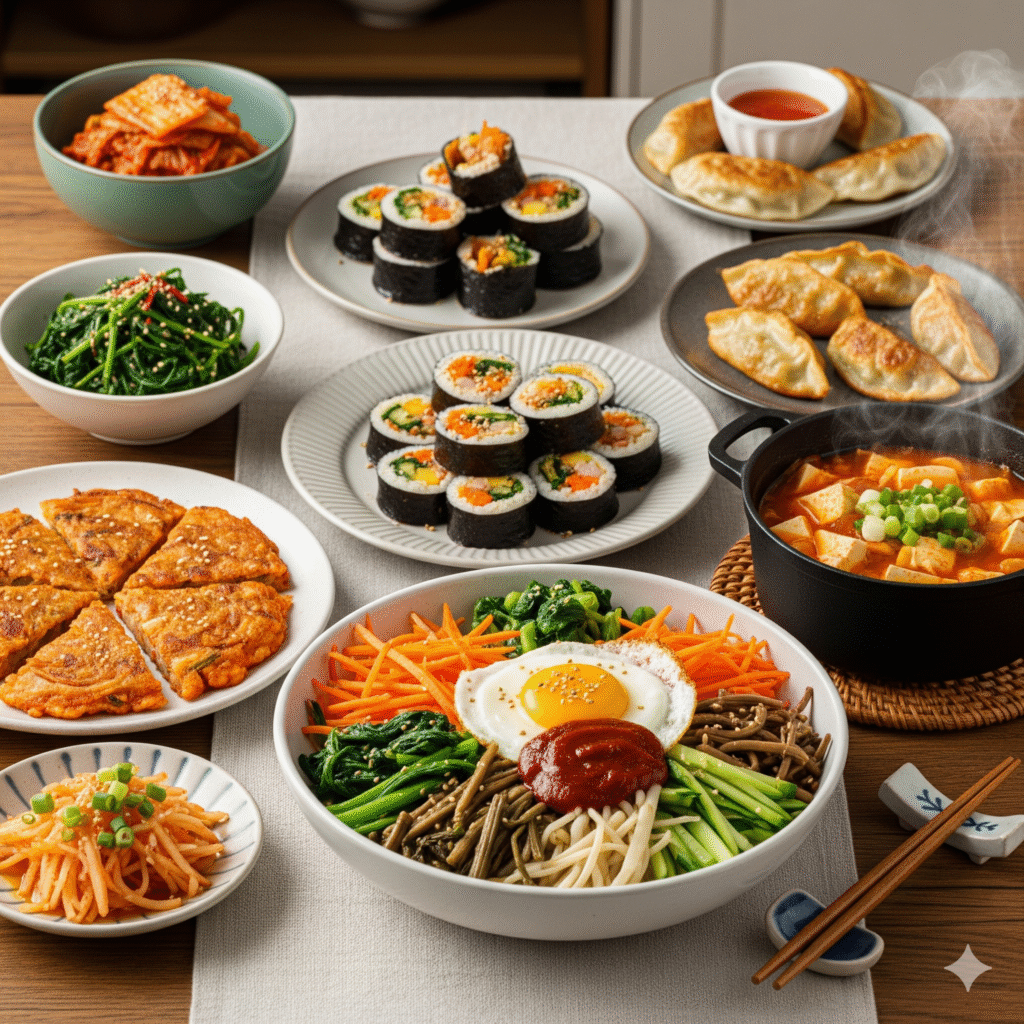
Korean cuisine has captivated food lovers worldwide with its bold flavors, healthy ingredients, and comforting qualities. However, many home cooks feel intimidated by the prospect of preparing authentic Korean dishes. The truth is, Easy Korean Recipes can bring the vibrant tastes of Korea directly to your kitchen without requiring extensive culinary expertise or hard-to-find ingredients. This comprehensive guide will introduce you to the world of simple Korean dishes that deliver authentic flavors while remaining accessible to cooks of all skill levels.
The beauty of Easy Korean Recipes lies in their ability to transform everyday ingredients into extraordinary meals through the strategic use of Korean seasonings and cooking techniques. These beginner Korean recipes prove that authentic Korean cooking doesn’t have to be complicated or time-consuming. With the right approach and understanding of fundamental Korean flavors, anyone can master quick Korean meals that rival those found in the best Korean restaurants.
Korean cooking philosophy emphasizes balance – balancing flavors, textures, and nutritional elements to create harmonious meals. This principle makes Easy Korean Recipes particularly appealing because they naturally incorporate healthy ingredients while delivering satisfying, flavorful results. Whether you’re looking for quick Korean meals for busy weeknights or want to explore traditional Korean recipes made easy, this guide will provide you with the knowledge and confidence to succeed in Korean cooking.
Understanding the Foundation of Easy Korean Recipes
The key to mastering Easy Korean Recipes lies in understanding the fundamental ingredients and techniques that define Korean cuisine. Simple Korean dishes rely on a core group of seasonings and ingredients that appear repeatedly across different recipes, making it easy to stock your pantry for successful Korean cooking. Once you understand these basics, creating quick Korean meals becomes an intuitive process rather than a challenging endeavor.
Korean cooking revolves around fermented ingredients that provide deep, complex flavors with minimal effort. Kimchi, doenjang (soybean paste), gochujang (chili paste), and soy sauce form the backbone of many beginner Korean recipes. These ingredients have been aged and fermented to develop rich umami flavors that instantly elevate simple preparations into authentic Korean dishes. Understanding how to use these ingredients opens up a world of Easy Korean Recipes that taste like they took hours to prepare but actually require minimal time and effort.
The concept of banchan (side dishes) is central to Korean dining and plays an important role in Easy Korean Recipes. These simple Korean dishes accompany main courses and can often be prepared quickly using basic ingredients. Learning to prepare a few essential banchan recipes provides the foundation for creating complete Korean meals at home. Many of these side dishes actually improve with time, making them perfect for meal prep and planning quick Korean meals throughout the week.
Essential Ingredients for Simple Korean Dishes
Building a pantry stocked with Korean essentials is the first step toward mastering Easy Korean Recipes. Unlike cuisines that require extensive spice collections or specialized equipment, Korean cooking relies on a relatively small number of ingredients that appear across many simple Korean dishes. This makes Korean cooking both accessible and economical for home cooks interested in exploring beginner Korean recipes.
Gochujang stands as perhaps the most important ingredient in Easy Korean Recipes, providing the signature heat and depth that characterizes many Korean dishes. This fermented chili paste combines spiciness with sweetness and umami, creating complex flavors that would otherwise require multiple ingredients. A single tub of gochujang can transform countless quick Korean meals and forms the base for many sauces and marinades in traditional Korean recipes made easy.
Sesame oil, known as chamgireum in Korean, provides the distinctive nutty aroma that makes Korean food so recognizable and appealing. A little sesame oil goes a long way in simple Korean dishes, often added at the end of cooking to preserve its delicate flavor. This ingredient appears in nearly every category of Easy Korean Recipes, from soups and stews to stir-fries and salads, making it an essential purchase for any Korean cooking enthusiast.
Soy sauce in Korean cooking differs slightly from other Asian varieties, often being less salty and more complex in flavor. Korean soy sauce (ganjang) comes in different varieties for different uses, but a good all-purpose Korean soy sauce will serve most beginner Korean recipes well. This ingredient forms the salty base for many marinades, braising liquids, and seasoning mixtures used in Easy Korean Recipes.
How to Cook Simple Korean Dishes Quickly: Time-Saving Techniques
Learning how to cook simple Korean dishes quickly involves understanding Korean cooking techniques that maximize flavor while minimizing preparation time. Korean cuisine has evolved to accommodate busy lifestyles, with many traditional Korean recipes made easy through streamlined preparation methods that don’t sacrifice authenticity or taste.
One of the most effective techniques for creating quick Korean meals is the Korean concept of “one-pot” cooking. Many Korean dishes are designed to be prepared in a single pot or pan, reducing cleanup time while allowing flavors to meld together naturally. This approach is particularly evident in Korean stews (jjigae) and rice dishes (bokkeumbap) that combine proteins, vegetables, and seasonings in one cooking vessel.
Marination is another key technique that makes how to cook simple Korean dishes quickly more achievable. Korean marinades often work quickly due to their acidic components and enzyme-rich ingredients like Asian pear or kiwi. Even a 30-minute marinade can transform tough cuts of meat into tender, flavorful centerpieces for Easy Korean Recipes. This technique is particularly useful for quick Korean meals when you’re short on time but don’t want to sacrifice flavor.
Batch preparation of Korean condiments and seasonings streamlines the cooking process for simple Korean dishes. Preparing larger quantities of frequently used mixtures like scallion oil, garlic paste, or gochujang-based sauces allows you to create beginner Korean recipes quickly throughout the week. These prepared components can be stored in the refrigerator and added to various dishes, making Easy Korean Recipes even more accessible for busy home cooks.
Quick and Easy Korean Comfort Food Recipes: Satisfying Soul Food
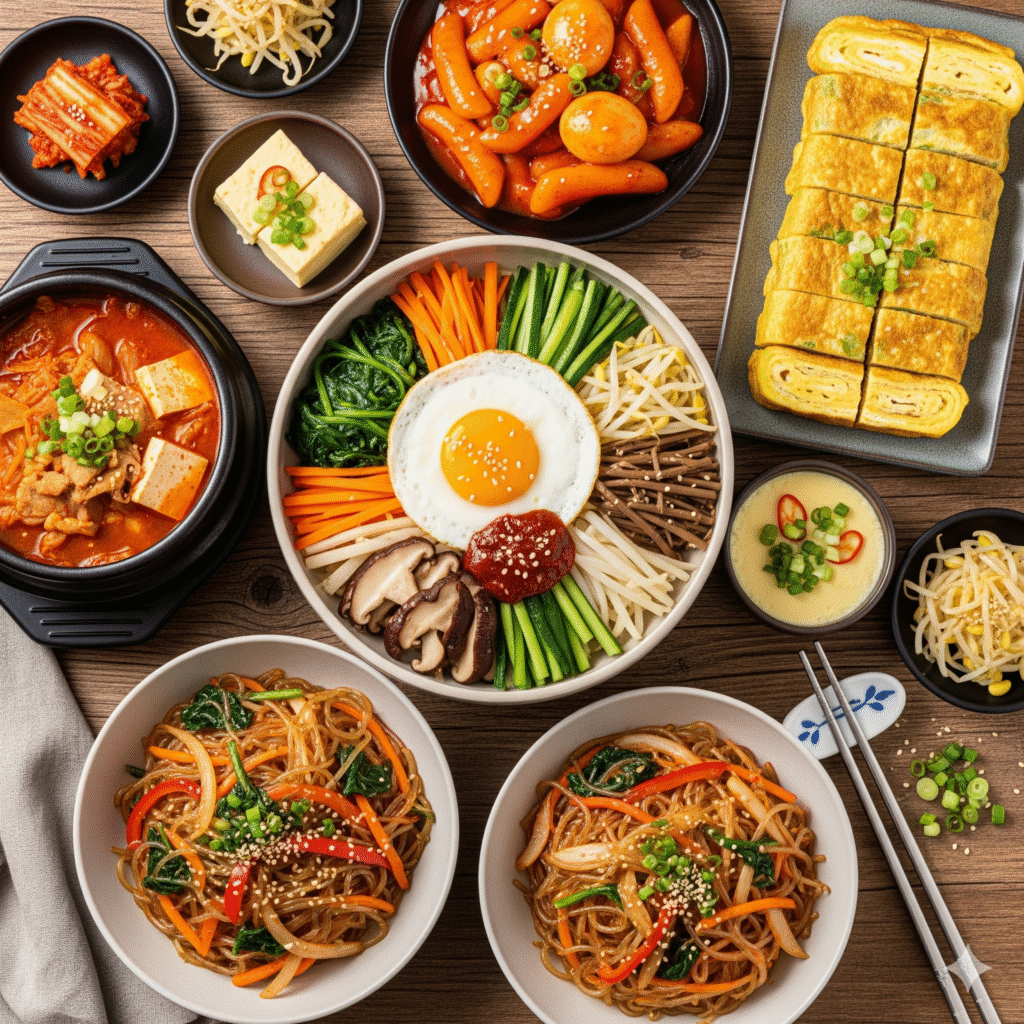
Quick and easy Korean comfort food recipes represent the heart of Korean home cooking, emphasizing warmth, satisfaction, and emotional comfort over elaborate presentation. These dishes embody the essence of Easy Korean Recipes by using simple ingredients and straightforward techniques to create deeply satisfying meals that nourish both body and soul.
Korean comfort food often centers around rice, soup, and fermented vegetables that provide familiar, reassuring flavors. Simple Korean dishes like kimchi fried rice (kimchi bokkeumbap) or egg drop soup (gyeran-guk) demonstrate how Korean home cooks transform everyday ingredients into comforting meals. These quick Korean meals require minimal preparation but deliver maximum satisfaction, making them perfect examples of traditional Korean recipes made easy.
Stews and soups play a central role in quick and easy Korean comfort food recipes, often serving as complete meals when accompanied by rice and simple side dishes. Korean stews like kimchi jjigae or doenjang jjigae exemplify how to cook simple Korean dishes quickly while providing the warming, satisfying qualities that define comfort food. These one-pot meals simplify both cooking and cleanup while delivering authentic Korean flavors.
The concept of “mom’s cooking” (eomma-son) influences many quick and easy Korean comfort food recipes, emphasizing nurturing qualities over restaurant-style presentation. These beginner Korean recipes focus on creating feelings of home and comfort rather than impressing with complex techniques or exotic ingredients. This approach makes Korean comfort food particularly accessible to home cooks seeking Easy Korean Recipes that provide emotional as well as physical satisfaction.
Healthy Korean Recipes That Are Easy to Make
Healthy Korean recipes that are easy to make demonstrate how Korean cuisine naturally incorporates nutritious ingredients and cooking methods that support overall wellness. The Korean approach to healthy eating emphasizes vegetables, fermented foods, and balanced meals that provide sustained energy without relying on processed ingredients or complicated preparation methods.
Fermented vegetables play a crucial role in healthy Korean recipes that are easy to make, providing probiotics, vitamins, and minerals that support digestive health. Kimchi, the most famous Korean fermented vegetable, can be incorporated into countless Easy Korean Recipes to boost both flavor and nutritional value. The fermentation process pre-digests vegetables, making their nutrients more bioavailable while creating the complex flavors that make simple Korean dishes so satisfying.
Korean cooking methods naturally support healthy eating through techniques like steaming, braising, and quick stir-frying that preserve nutrients while developing flavor. Many beginner Korean recipes rely on these gentle cooking methods that don’t require added fats or lengthy cooking times that can destroy vitamins and minerals. This approach makes healthy Korean recipes that are easy to make naturally appealing to health-conscious home cooks.
The Korean concept of balanced meals (bansang) emphasizes variety and moderation rather than restriction, making healthy Korean recipes that are easy to make sustainable for long-term healthy eating. Korean meals typically include multiple small dishes that provide different nutrients, textures, and flavors, allowing diners to enjoy variety while controlling portions naturally. This philosophy makes Easy Korean Recipes particularly suitable for families seeking healthier eating patterns.
Easy Korean Recipes with Few Ingredients: Minimalist Cooking
Easy Korean recipes with few ingredients prove that authentic Korean flavors don’t require extensive shopping lists or complicated preparations. These minimalist approaches to Korean cooking focus on maximizing the impact of each ingredient while keeping preparation simple and accessible for home cooks of all skill levels.
The Korean principle of “less is more” appears throughout traditional cooking, where a few high-quality, well-chosen ingredients create more satisfying results than complex combinations. Easy Korean recipes with few ingredients demonstrate this principle by showing how Korean seasonings like gochujang, sesame oil, and soy sauce can transform basic ingredients into extraordinary simple Korean dishes.
Three-ingredient Korean recipes represent the ultimate expression of minimalist Korean cooking, using just a protein, a vegetable, and a Korean seasoning to create complete quick Korean meals. Examples include Korean spinach salad (sigeumchi namul) with just spinach, sesame oil, and garlic, or Korean cucumber salad with cucumbers, gochujang, and rice vinegar. These beginner Korean recipes demonstrate how Korean flavors can enhance simple ingredients dramatically.
Shopping strategies for easy Korean recipes with few ingredients focus on versatile Korean seasonings that can be used across multiple dishes. By investing in a few high-quality Korean condiments, home cooks can create numerous Easy Korean Recipes without needing specialized ingredients for each dish. This approach makes Korean cooking more economical and accessible while reducing food waste.
Best Easy Korean Recipes for Weeknight Dinners
Best easy Korean recipes for weeknight dinners address the common challenge of preparing satisfying, flavorful meals during busy weekdays. These recipes prioritize speed and convenience without sacrificing the authentic flavors that make Korean food so appealing, proving that Easy Korean Recipes can fit seamlessly into modern lifestyles.
Timing strategies for best easy Korean recipes for weeknight dinners often involve preparation techniques that can be completed in advance, such as marinating proteins or pre-cutting vegetables. Many quick Korean meals benefit from brief marination periods that can occur while you prepare other components of the meal, maximizing efficiency without requiring active cooking time.
One-pan Korean dinners represent some of the best easy Korean recipes for weeknight dinners because they minimize both preparation and cleanup time. Korean bibimbap variations, fried rice dishes, and sheet pan meals demonstrate how to cook simple Korean dishes quickly while providing complete, satisfying dinners that appeal to the whole family.
Make-ahead components for best easy Korean recipes for weeknight dinners include pre-made sauces, marinated proteins, and prepared vegetables that can be quickly assembled into complete meals. This meal-prep approach allows busy families to enjoy traditional Korean recipes made easy throughout the week without daily extensive preparation.
Featured Recipe: Korean Squid Soup (Ojingeo Guk) – A Comfort Dish from My Childhood
Korean Squid Soup (Ojingeo Guk) exemplifies everything wonderful about Easy Korean Recipes – it’s comforting, flavorful, and surprisingly simple to prepare. This quick and easy Korean comfort food recipe brings together tender squid, vegetables, and Korean seasonings in a warming broth that embodies the nurturing spirit of Korean home cooking.
The beauty of Korean Squid Soup lies in its simplicity, making it one of the most accessible simple Korean dishes for home cooks new to Korean cuisine. Fresh or frozen squid works equally well in this recipe, and the cooking time is minimal, making it perfect for quick Korean meals when you want something satisfying but don’t have hours to spend in the kitchen.
Preparation begins with cleaning and cutting the squid into rings, a process that becomes easier with practice but doesn’t require professional knife skills. The squid cooks quickly in the seasoned broth, becoming tender rather than tough when not overcooked. This attention to timing is crucial for successful beginner Korean recipes and demonstrates how to cook simple Korean dishes quickly without compromising quality.
The broth for Korean Squid Soup combines anchovy stock or simple water with Korean seasonings like soy sauce, garlic, and scallions. Some versions include gochugaru (Korean chili flakes) for mild heat, while others remain mild to highlight the sweet flavor of the squid. This flexibility makes the recipe adaptable to different taste preferences while maintaining its character as one of the most beloved healthy Korean recipes that are easy to make.
The vegetable components typically include onions, scallions, and sometimes radish or zucchini, providing texture contrast and additional nutrition. These vegetables cook quickly alongside the squid, creating a complete meal that exemplifies easy Korean recipes with few ingredients. The finished soup pairs perfectly with steamed rice and kimchi for a traditional Korean meal experience.
Featured Recipe: LA Galbi (Korean BBQ Short Ribs) – Sweet, Savory, and Perfectly Grilled
LA Galbi represents one of the most beloved traditional Korean recipes made easy through modern adaptation techniques that make this restaurant favorite accessible for home cooking. This Korean BBQ short rib recipe demonstrates how Easy Korean Recipes can deliver complex flavors through simple marinade techniques and straightforward grilling methods.
The “LA” designation refers to the cutting style of the short ribs, where the meat is cut across the bone rather than between bones, creating thin strips perfect for quick cooking. This cutting technique, popularized in Los Angeles Korean communities, makes the ribs ideal for quick Korean meals because they cook much faster than traditional Korean galbi while maintaining authentic flavors.
The marinade for LA Galbi combines soy sauce, brown sugar, Asian pear, garlic, and sesame oil to create the signature sweet-savory profile that defines Korean BBQ. This marinade works quickly due to the enzyme-rich Asian pear, which tenderizes the meat while adding natural sweetness. The relatively short marination time required makes this one of the best easy Korean recipes for weeknight dinners.
Grilling techniques for LA Galbi are straightforward, requiring only medium-high heat and careful attention to prevent burning the sugars in the marinade. The thin-cut ribs cook quickly, typically requiring only 2-3 minutes per side, making this an excellent example of how to cook simple Korean dishes quickly while achieving professional results.
The finished LA Galbi pairs beautifully with steamed rice, lettuce wraps, and Korean side dishes to create a complete Korean BBQ experience at home. This recipe proves that some of the most impressive Easy Korean Recipes are actually among the simplest to prepare, requiring more patience for marination than active cooking skill.
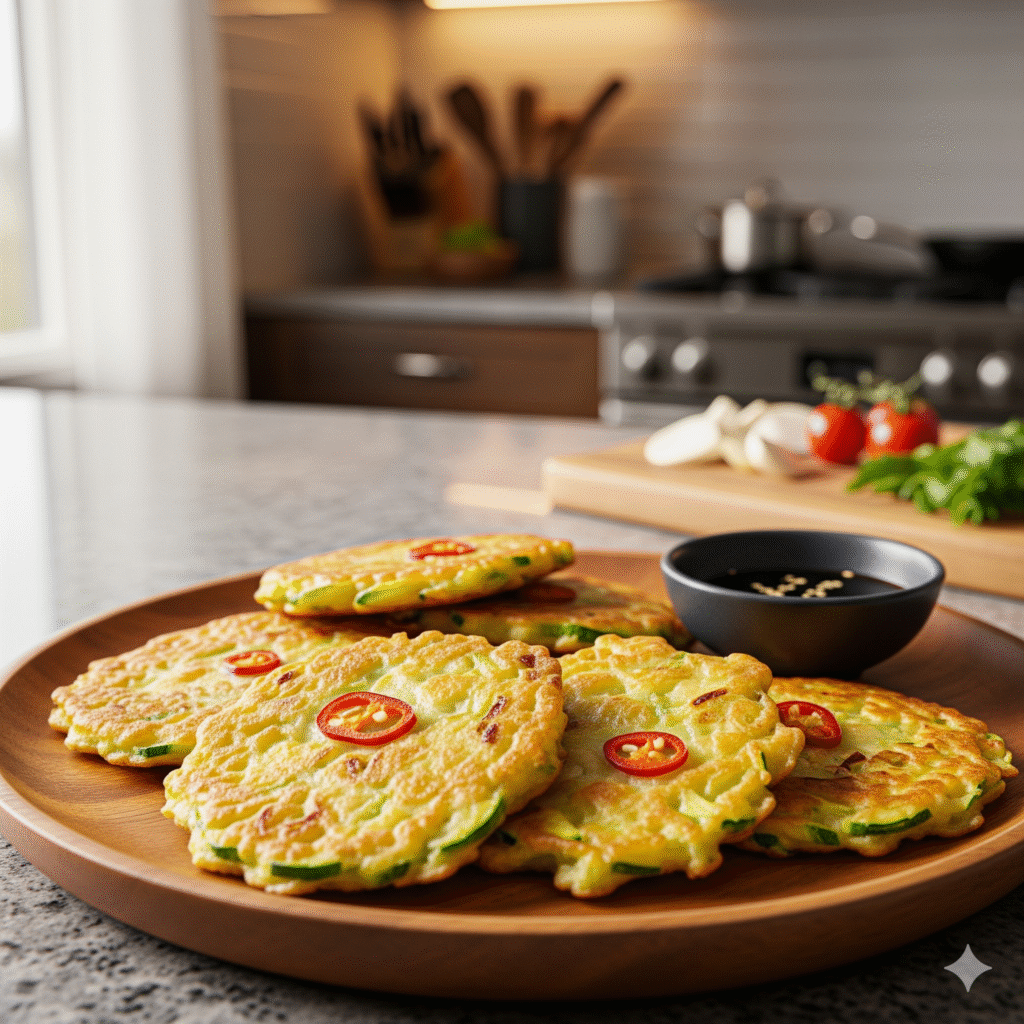
Featured Recipe: Crispy Korean Zucchini Pancakes (Hobakchae Jeon)
Crispy Korean Zucchini Pancakes showcase the versatility and accessibility of Easy Korean Recipes while providing a delicious way to use abundant summer zucchini. These simple Korean dishes transform humble vegetables into crispy, satisfying pancakes that work equally well as side dishes, snacks, or light meals.
The preparation technique for Korean Zucchini Pancakes demonstrates how to cook simple Korean dishes quickly using basic pantry ingredients and straightforward cooking methods. The key lies in properly preparing the zucchini by salting it to remove excess moisture, ensuring the pancakes achieve the desired crispy texture rather than becoming soggy.
The batter for these pancakes combines flour, water, and egg with Korean seasonings like scallions and sometimes a touch of gochugaru for heat. This simple mixture creates light, crispy pancakes that allow the zucchini flavor to shine through while providing the satisfying texture that makes these quick and easy Korean comfort food recipes so appealing.
Cooking technique is crucial for achieving the characteristic crispy exterior that defines successful Korean pancakes. The pan should be hot, and the oil should be sufficient to create immediate sizzling when the batter hits the surface. This attention to temperature and technique exemplifies the principles behind successful beginner Korean recipes.
The versatility of Korean Zucchini Pancakes makes them excellent examples of healthy Korean recipes that are easy to make. They can be customized with different vegetables, served with various dipping sauces, and adapted to dietary restrictions without losing their essential Korean character. This flexibility makes them perfect candidates for easy Korean recipes with few ingredients that can be modified based on what’s available in your kitchen.
Building Your Korean Pantry for Easy Cooking Success
Creating a well-stocked Korean pantry is essential for making Easy Korean Recipes a regular part of your cooking routine. Understanding which ingredients to prioritize helps ensure that you can prepare simple Korean dishes whenever the craving strikes, without needing to make special shopping trips for each recipe.
Essential Korean condiments form the foundation of most Easy Korean Recipes, providing the authentic flavors that distinguish Korean cooking from other Asian cuisines. Gochujang, doenjang, and Korean soy sauce represent the “holy trinity” of Korean cooking, appearing in countless beginner Korean recipes and providing the flavor base for everything from marinades to soup broths.
Pantry staples like short-grain rice, dried seaweed, and sesame seeds support numerous quick Korean meals while providing the textural elements that make Korean food so satisfying. These ingredients store well and can be used across multiple recipes, making them excellent investments for home cooks committed to mastering traditional Korean recipes made easy.
Shopping strategies for Korean ingredients focus on finding reliable sources for authentic products while building relationships with Korean grocery stores or online suppliers. Many cities have Korean markets that offer both ingredients and inspiration for Easy Korean Recipes, often providing recipe cards or cooking demonstrations that help home cooks expand their Korean cooking repertoire.
Meal Planning with Easy Korean Recipes
Incorporating Easy Korean Recipes into regular meal planning creates opportunities for varied, flavorful meals while developing familiarity with Korean cooking techniques and flavors. Strategic meal planning around Korean dishes allows home cooks to batch-prepare components and create multiple quick Korean meals throughout the week.
Weekly meal planning with simple Korean dishes often revolves around preparing larger quantities of rice, basic banchan (side dishes), and versatile sauces that can be mixed and matched throughout the week. This approach makes best easy Korean recipes for weeknight dinners even more accessible by reducing daily preparation time.
Batch cooking strategies for Korean meals include preparing large quantities of items like kimchi fried rice base, marinated proteins, and seasoned vegetables that can be quickly assembled into complete quick Korean meals. These make-ahead approaches demonstrate how to cook simple Korean dishes quickly while maintaining the fresh flavors that make Korean food so appealing.
Family-friendly adaptations of Easy Korean Recipes consider varying spice tolerances and ingredient preferences while maintaining authentic flavors. Many beginner Korean recipes can be prepared with adjustable heat levels, allowing families to enjoy Korean meals together regardless of individual spice preferences.
Seasonal Approaches to Simple Korean Dishes
Understanding how Korean cooking adapts to seasonal ingredients enhances both the authenticity and sustainability of Easy Korean Recipes. Korean cuisine has strong seasonal traditions that influence ingredient selection and cooking methods, providing natural variety throughout the year for simple Korean dishes.
Spring vegetables like spinach, Korean radish greens, and wild vegetables feature prominently in healthy Korean recipes that are easy to make during this season. These ingredients often require minimal preparation, making them perfect for quick Korean meals that celebrate the fresh flavors of spring while providing nutritional benefits after winter’s heavier foods.
Summer Korean cooking emphasizes cooling foods and quick preparation methods that don’t heat up the kitchen unnecessarily. Cold noodle dishes, cucumber salads, and room-temperature pancakes represent easy Korean recipes with few ingredients that provide refreshment during hot weather while maintaining authentic Korean flavors.
Fall and winter Korean dishes focus on warming, nurturing preparations that use preserved and fermented ingredients developed during the summer months. Kimchi-based dishes, hearty stews, and braised preparations provide comfort during colder months while demonstrating how traditional Korean recipes made easy adapt to seasonal needs and ingredient availability.
Conclusion: Embracing the Joy of Easy Korean Cooking
Easy Korean Recipes open doors to one of the world’s most flavorful and satisfying cuisines without requiring years of study or professional training. These simple Korean dishes prove that authentic Korean flavors are accessible to home cooks willing to learn a few basic techniques and invest in essential Korean ingredients.
The journey of mastering beginner Korean recipes rewards patience and experimentation while providing countless opportunities for delicious meals that nourish both body and soul. Whether you’re preparing quick Korean meals for busy weeknights or exploring traditional Korean recipes made easy for special occasions, Korean cooking offers something for every home cook and every occasion.
The principles behind how to cook simple Korean dishes quickly extend beyond specific recipes to encompass an approach to cooking that emphasizes balance, seasonality, and the transformation of simple ingredients through traditional techniques and seasonings. This philosophy makes Korean cooking both practical and deeply satisfying for modern home cooks.
As you continue exploring Easy Korean Recipes, remember that Korean cooking is ultimately about bringing people together around shared meals that provide comfort, nourishment, and joy. The quick and easy Korean comfort food recipes, healthy Korean recipes that are easy to make, and easy Korean recipes with few ingredients in this guide represent just the beginning of a culinary journey that can provide years of delicious discoveries.
The best easy Korean recipes for weeknight dinners featured here demonstrate that Korean cooking can fit seamlessly into busy modern lifestyles while providing the authentic flavors and satisfying qualities that make Korean cuisine so beloved worldwide. Whether you’re making Korean Squid Soup for a comforting lunch, grilling LA Galbi for a weekend barbecue, or whipping up Korean Zucchini Pancakes as a quick snack, these Easy Korean Recipes will help you bring the wonderful world of Korean cooking into your own kitchen with confidence and success.