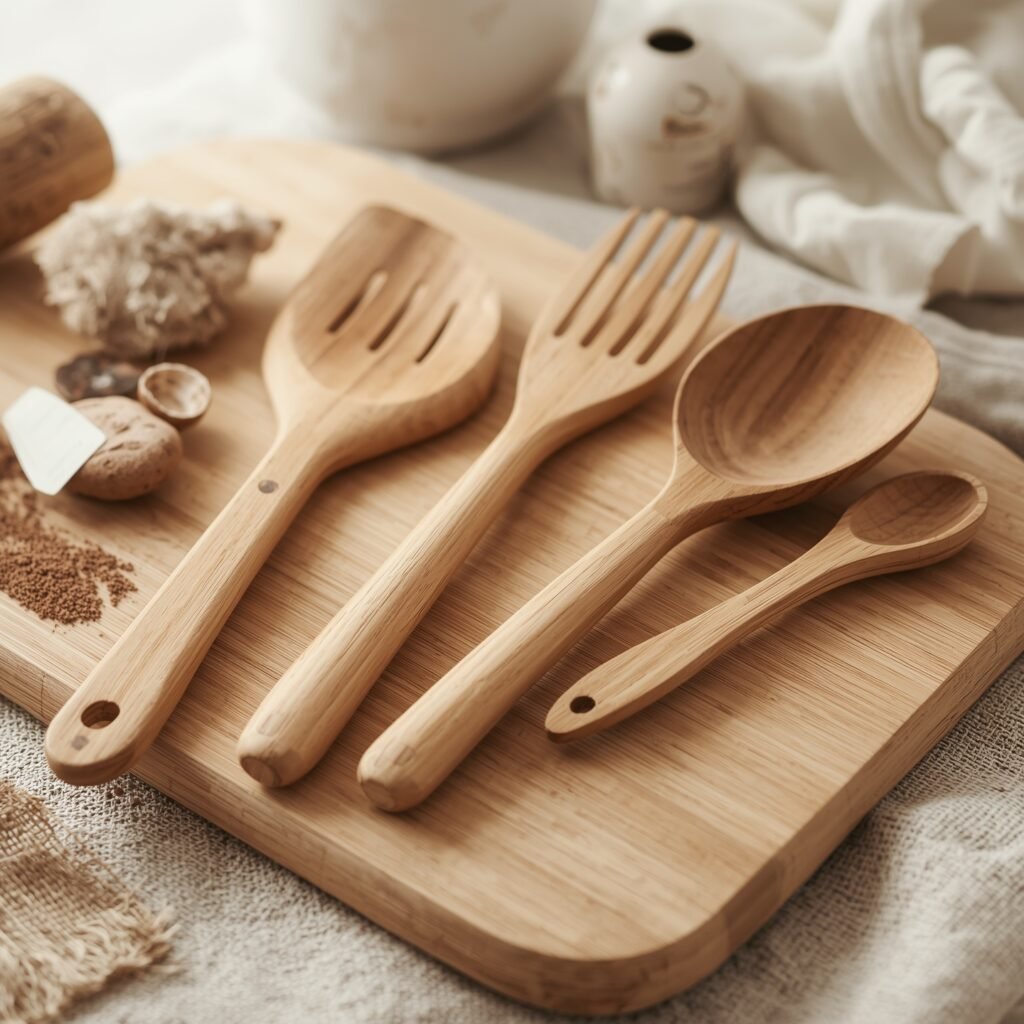
In today’s environmentally conscious world, more home cooks and professional chefs are turning to sustainable alternatives for their culinary needs. Among the most popular eco-friendly options are bamboo kitchen tools, which have revolutionized the way we approach cooking and food preparation. These versatile, durable, and environmentally responsible utensils offer numerous advantages over traditional materials while maintaining the functionality and aesthetics that modern kitchens demand.
The Rise of Sustainable Cooking Utensils
The kitchen industry has witnessed a significant shift toward sustainability, with bamboo kitchen tools leading the charge in eco-friendly cooking solutions. Unlike plastic utensils that can leach harmful chemicals into food or metal tools that may scratch non-stick surfaces, bamboo offers a natural alternative that combines safety, durability, and environmental responsibility.
Bamboo’s rapid growth cycle makes it one of the most sustainable materials available for kitchen utensils. This grass species can grow up to three feet in a single day and reaches maturity in just three to five years, compared to hardwood trees that require decades to mature. When you choose bamboo kitchen tools, you’re making a conscious decision to support renewable resources and reduce your carbon footprint.
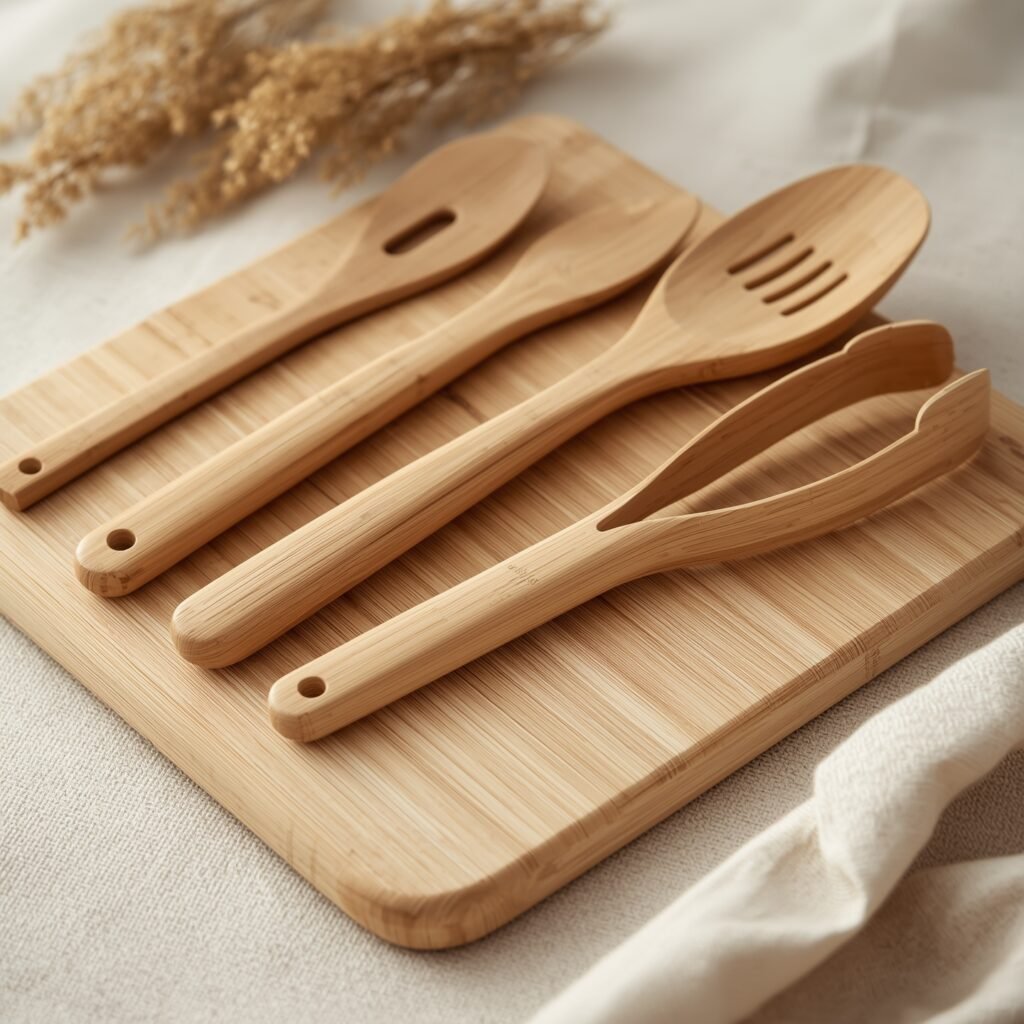
The popularity of sustainable cooking has also led to increased interest in complete cooking solutions. Many consumers now seek comprehensive options like a bamboo kitchen tool set that provides all essential utensils in one eco-friendly package. This approach not only ensures consistency in materials but also offers better value compared to purchasing individual tools.
Understanding Bamboo as a Kitchen Material
Bamboo possesses unique properties that make it ideal for kitchen applications. Its natural antibacterial properties help inhibit the growth of harmful bacteria, making bamboo kitchen tools inherently more hygienic than many traditional materials. The silica content in bamboo creates a naturally hard surface that resists moisture absorption while remaining gentle on cookware surfaces.
The lightweight nature of bamboo makes these tools comfortable to use during extended cooking sessions. Unlike heavy metal utensils that can cause hand fatigue, bamboo kitchen tools provide excellent ergonomics without sacrificing functionality. The natural grip texture of bamboo also reduces the likelihood of slipping during use, enhancing safety in the kitchen.
Temperature resistance is another crucial advantage of bamboo. These tools can withstand moderate heat without warping or releasing harmful chemicals, making them suitable for most cooking applications. However, it’s important to note that while bamboo kitchen tools are heat-resistant, they shouldn’t be exposed to extreme temperatures or left in hot pans for extended periods.
Comprehensive Bamboo Kitchen Tool Set Options
A well-curated bamboo kitchen tool set typically includes essential utensils that cover all basic cooking needs. Standard sets often feature spatulas, spoons, tongs, whisks, and serving utensils, all crafted from high-quality bamboo. These comprehensive collections ensure that home cooks have access to sustainable alternatives for every cooking task.
When selecting a bamboo kitchen tool set, consider the variety of tools included and their specific applications. Premium sets may include specialized items like bamboo cutting boards, salad servers, or even measuring spoons, providing comprehensive coverage for all cooking needs.
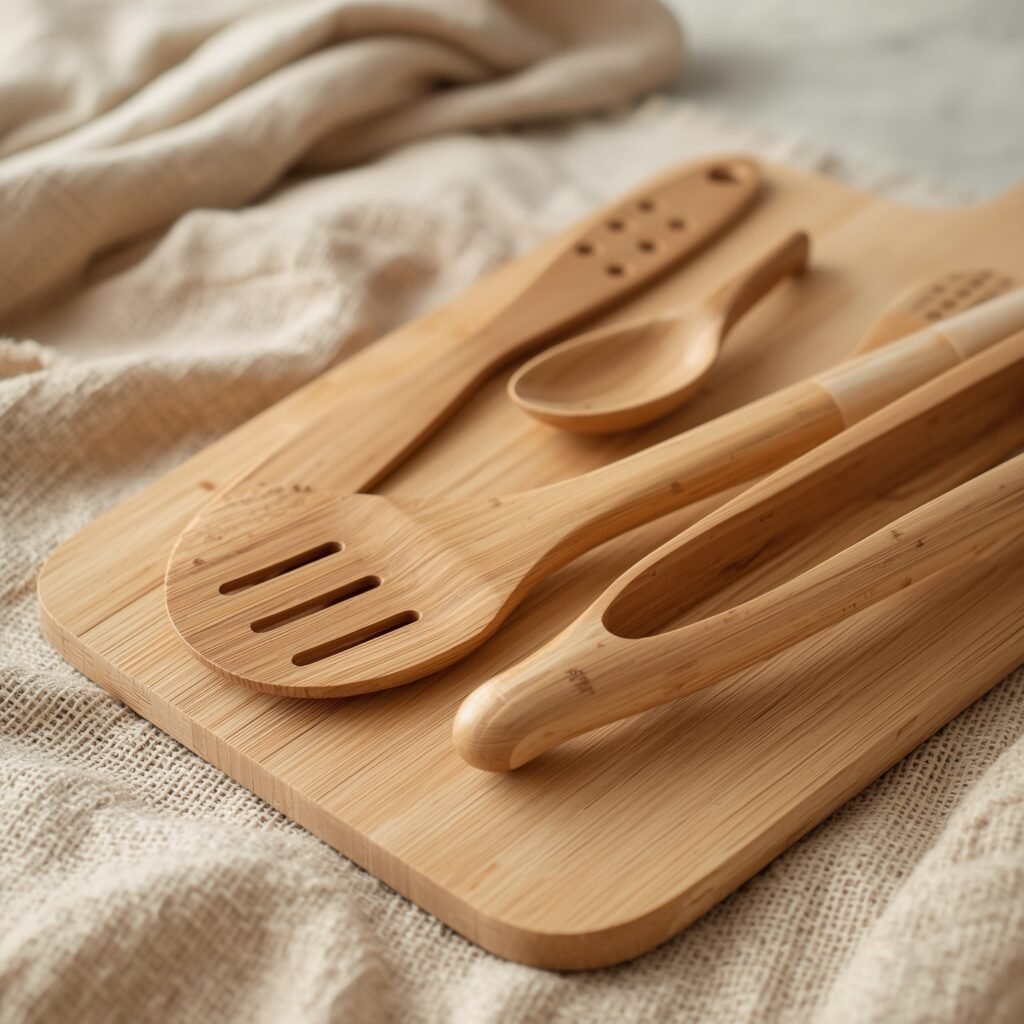
The quality of craftsmanship in a bamboo kitchen tool set varies significantly between manufacturers. Look for sets that feature smooth finishes, reinforced joints where applicable, and consistent sizing across tools. Higher-quality sets often undergo additional processing to enhance durability and prevent splintering, ensuring long-term satisfaction with your investment.
Many manufacturers now offer bamboo kitchen tool set options with convenient storage solutions. These may include bamboo holders, drawer organizers, or hanging systems that keep tools organized while showcasing their natural beauty. Proper storage not only maintains the tools’ condition but also contributes to overall kitchen organization.
Comparing Bamboo to Traditional Kitchen Tools
Traditional kitchen utensils made from plastic, metal, or wood each have their limitations that bamboo kitchen tools effectively address. Plastic utensils often harbor bacteria in scratches and may melt when exposed to heat, while metal tools can scratch non-stick surfaces and conduct heat uncomfortably. Wood tools, while natural, often require more maintenance and may crack or split over time.
The cutco 6-pc. kitchen tool set with holder represents a popular alternative in the premium kitchen tool market, featuring high-quality construction and comprehensive functionality. However, when comparing sustainability and environmental impact, bamboo kitchen tools offer superior eco-friendliness without compromising on performance or durability.
Kitchen tool set stainless options provide excellent durability and hygiene but lack the environmental benefits of bamboo alternatives. Stainless steel production requires significant energy consumption and mining activities, whereas bamboo cultivation actually improves air quality by producing more oxygen than trees. When choosing between a kitchen tool set stainless and bamboo alternatives, consider both immediate functionality and long-term environmental impact.
The cost comparison between different materials reveals interesting patterns. While a cutco 6-pc. kitchen tool set with holder may command premium prices due to brand reputation and construction quality, bamboo kitchen tools offer excellent value by combining affordability with sustainability. Similarly, while kitchen tool set stainless options may seem durable, bamboo tools provide comparable longevity at often lower price points.
Essential Bamboo Kitchen Tools for Every Home
A complete kitchen should include several key bamboo kitchen tools that handle the majority of cooking tasks. Bamboo spatulas are perfect for non-stick cookware, providing gentle food release without surface damage. These tools excel in both cooking and serving applications, making them versatile additions to any kitchen.
Bamboo spoons come in various sizes and shapes, from large serving spoons to small tasting spoons. Their natural material won’t conduct heat, making them comfortable to use even in hot dishes. Many cooks prefer bamboo kitchen tools for stirring and serving because they don’t impart flavors or odors to food.
Bamboo tongs offer excellent grip and control for handling food during cooking and serving. Their lightweight construction reduces hand fatigue during extended use, while their heat resistance allows safe handling of hot foods. These bamboo kitchen tools are particularly valuable for grilling and stir-frying applications.
Whisks made from bamboo provide effective mixing action while being gentle on bowl surfaces. Unlike metal whisks that can scratch mixing bowls, bamboo kitchen tools like whisks maintain cookware integrity while delivering excellent performance. They’re particularly suitable for non-stick and ceramic cookware.
Specialized Bamboo Cooking Utensils
Beyond basic tools, specialized bamboo kitchen tools address specific cooking needs and techniques. Bamboo cutting boards offer natural antimicrobial properties and knife-friendly surfaces that help maintain blade sharpness. These boards are available in various sizes to accommodate different food preparation tasks.
Rice paddles represent traditional bamboo kitchen tools that have been perfected over centuries of use. Their shape and material properties make them ideal for handling cooked rice without crushing grains or sticking to the paddle surface. Modern versions maintain these traditional benefits while offering contemporary design aesthetics.
Bamboo steamers provide healthy cooking options that preserve nutrients and flavors in foods. These bamboo kitchen tools allow for multi-level cooking, maximizing efficiency while maintaining the natural properties that make bamboo ideal for food contact applications.
Serving utensils crafted from bamboo add natural elegance to dining presentations. These bamboo kitchen tools include salad servers, cheese knives, and serving spoons that complement both casual and formal dining settings. Their natural appearance enhances food presentation while providing functional benefits.
Maintenance and Care for Longevity
Proper maintenance ensures that bamboo kitchen tools provide years of reliable service. Unlike some traditional materials, bamboo requires specific care techniques to maintain its properties and appearance. Understanding these requirements helps maximize the investment in quality tools.
Cleaning bamboo kitchen tools requires gentle approaches that preserve the material’s natural properties. Hand washing with mild soap and warm water is typically recommended, followed by immediate drying to prevent moisture absorption. Avoid soaking bamboo tools for extended periods, as this can lead to cracking or warping.
Regular conditioning with food-safe mineral oil helps maintain the natural moisture content of bamboo kitchen tools. This treatment prevents drying and cracking while enhancing the natural beauty of the bamboo grain. Monthly conditioning is typically sufficient for regularly used tools.
Storage considerations play a crucial role in maintaining bamboo kitchen tools. Proper ventilation prevents moisture buildup that could lead to mold or mildew. Many bamboo kitchen tool set options include specially designed holders that promote air circulation while keeping tools organized and accessible.
Health and Safety Considerations
The health benefits of bamboo kitchen tools extend beyond their environmental advantages. Bamboo’s natural antimicrobial properties help reduce bacterial contamination compared to plastic alternatives. This characteristic makes bamboo particularly suitable for food preparation and serving applications.
Chemical safety represents another significant advantage of bamboo kitchen tools. Unlike plastic utensils that may contain BPA or other potentially harmful chemicals, bamboo is naturally chemical-free. This purity ensures that no unwanted substances leach into food during cooking or serving.
The smooth surface finish of quality bamboo kitchen tools prevents food particles from becoming trapped in scratches or crevices where bacteria might grow. This characteristic, combined with bamboo’s natural antimicrobial properties, creates a hygienic cooking environment that supports food safety.
Heat safety considerations make bamboo kitchen tools ideal for various cooking applications. The low thermal conductivity of bamboo means that handles remain comfortable to hold even when the working end contacts hot food or cookware surfaces.
Environmental Impact and Sustainability
The environmental benefits of choosing bamboo kitchen tools extend far beyond the renewable nature of the raw material. Bamboo cultivation requires no pesticides or fertilizers, making it one of the most environmentally friendly crops available. This clean growing process ensures that your kitchen tools are free from chemical residues.
Carbon footprint considerations favor bamboo kitchen tools significantly over traditional alternatives. Bamboo produces more oxygen and absorbs more carbon dioxide than trees, making it a carbon-negative material choice. When you select bamboo tools, you’re actively contributing to improved air quality.
Manufacturing processes for bamboo kitchen tools typically require less energy than alternatives like stainless steel or plastic production. The natural properties of bamboo often eliminate the need for chemical treatments or extensive processing, reducing the environmental impact of production.
End-of-life disposal presents another environmental advantage for bamboo kitchen tools. Unlike plastic utensils that persist in landfills for centuries, bamboo tools are completely biodegradable and can be composted at the end of their useful life, returning nutrients to the soil.
Design Aesthetics and Kitchen Integration
Modern bamboo kitchen tools combine functionality with sophisticated design aesthetics that complement contemporary kitchen styles. The natural grain patterns and warm tones of bamboo add organic beauty to kitchen spaces while maintaining professional functionality.
The versatility of bamboo allows designers to create bamboo kitchen tools that range from rustic farmhouse styles to sleek modern designs. This adaptability ensures that there are bamboo options suitable for any kitchen aesthetic or personal preference.
Color variations in natural bamboo provide subtle differences that add visual interest to bamboo kitchen tool set collections. Some manufacturers also offer treated bamboo in various shades, expanding design options while maintaining the material’s beneficial properties.
The lightweight appearance of bamboo kitchen tools creates a less cluttered visual impression compared to heavy metal alternatives. This characteristic is particularly valuable in smaller kitchens where visual weight can impact the perception of space.
Market Trends and Consumer Preferences
Consumer awareness of environmental issues continues to drive demand for bamboo kitchen tools and other sustainable kitchen products. Market research indicates that eco-conscious consumers are willing to pay premium prices for products that align with their values while delivering superior performance.
The growth in popularity of bamboo kitchen tool set options reflects consumers’ desire for comprehensive sustainable solutions. Rather than replacing individual tools over time, many buyers prefer to transition their entire kitchen tool collection to bamboo simultaneously.
Social media influence has significantly impacted the popularity of bamboo kitchen tools. Food bloggers and cooking influencers frequently showcase these tools in their content, highlighting both their functionality and aesthetic appeal to large audiences.
Restaurant and professional kitchen adoption of bamboo kitchen tools has increased significantly as food service establishments seek to reduce their environmental impact while maintaining operational efficiency. This professional endorsement further validates the performance capabilities of quality bamboo tools.
Cost Analysis and Value Proposition
The initial investment in bamboo kitchen tools often compares favorably to premium alternatives while offering superior long-term value. When considering the durability and multiple benefits of bamboo, the cost per use becomes extremely competitive with traditional options.
Comparing a cutco 6-pc. kitchen tool set with holder to equivalent bamboo options reveals interesting value propositions. While the cutco 6-pc. kitchen tool set with holder may offer certain performance advantages, bamboo alternatives provide environmental benefits and comparable functionality at often lower price points.
Kitchen tool set stainless options may seem more durable initially, but their higher environmental impact and potential for scratching non-stick surfaces can result in hidden costs over time. Bamboo kitchen tools eliminate these concerns while providing excellent durability with proper care.
The value proposition of a complete bamboo kitchen tool set becomes even more attractive when considering replacement costs. Individual tool replacement is typically less expensive with bamboo options, and the standardized care requirements simplify maintenance routines.
Future Innovations in Bamboo Kitchen Tools
Technological advances continue to improve bamboo kitchen tools through enhanced processing techniques and innovative designs. Manufacturers are developing new methods to increase bamboo’s heat resistance and durability while maintaining its natural properties.
Hybrid designs combining bamboo with other sustainable materials are emerging in the market. These innovations maintain the environmental benefits of bamboo kitchen tools while potentially enhancing specific performance characteristics for specialized applications.
Smart kitchen integration represents an emerging trend that may influence future bamboo kitchen tools development. While maintaining natural material benefits, designers are exploring ways to incorporate technology features that enhance functionality and user experience.
Research into bamboo treatment methods continues to yield improvements in bamboo kitchen tools performance. New techniques for enhancing bamboo’s natural properties without compromising its environmental benefits promise even better products in the future.
Making the Transition to Bamboo
Transitioning to bamboo kitchen tools doesn’t require immediate replacement of all existing utensils. Starting with a basic bamboo kitchen tool set covering essential functions allows gradual transition while assessing personal preferences and needs.
Consider your cooking style and most frequently used tools when selecting initial bamboo kitchen tools. Focus on items that see daily use to maximize the immediate impact of the transition while gaining experience with bamboo tool care and maintenance.
Budget considerations can make gradual transition more manageable than complete replacement. Starting with essential bamboo kitchen tools and expanding the collection over time spreads costs while allowing assessment of quality and performance preferences.
Integration with existing tools is typically seamless, as bamboo kitchen tools complement rather than conflict with other kitchen utensils. This compatibility allows for flexible transition timelines based on individual preferences and budgets.
Conclusion
The adoption of bamboo kitchen tools represents more than just a trend toward sustainable living; it embodies a commitment to environmental responsibility without sacrificing functionality or aesthetic appeal. These remarkable utensils offer superior performance characteristics while supporting renewable resource utilization and reducing environmental impact.
Whether you choose individual tools or invest in a comprehensive bamboo kitchen tool set, you’re making a decision that benefits both your cooking experience and the planet’s future. The combination of natural antimicrobial properties, heat resistance, durability, and environmental sustainability makes bamboo kitchen tools an intelligent choice for modern kitchens.
As consumer awareness of environmental issues continues to grow, bamboo kitchen tools will likely become even more prevalent in home and professional kitchens. By making the transition today, you position yourself at the forefront of sustainable cooking practices while enjoying the immediate benefits these exceptional tools provide.
The future of kitchen utensils lies in sustainable materials that deliver superior performance without environmental compromise. Bamboo kitchen tools represent this future today, offering home cooks and professional chefs alike the opportunity to align their culinary practices with their environmental values while maintaining the highest standards of functionality and design.