

Did you know that incorporating foods that start with A into your diet can have a significant impact on your overall health? From the creamy richness of Avocado to the crunchy sweetness of fresh Apples, the options are diverse and delicious.
Exploring the world of food that starts with A reveals a treasure trove of flavors and textures. You’ll discover nutritious oatmeal recipes, learn about the benefits of okra, and get inspired by the versatility of Almonds, Artichokes, and Asparagus.
This article will take you on a culinary journey through 29 of the best foods that start with A, highlighting their unique qualities and uses in cooking.
Introduction to Foods That Start with A
From sweet treats to savory dishes, foods starting with A are a culinary treasure trove. These foods not only tantalize our taste buds but also offer numerous health benefits, making them a great addition to our diets.
Why We Love Foods Starting with A
Foods that start with A are beloved for their versatility and nutritional value. For instance, an omelette made with fresh vegetables and cheese is a perfect breakfast option, while a slice of orange provides a refreshing burst of vitamin C. Even oysters, known for their rich flavor and texture, are a delicacy enjoyed by many.
The appeal of A foods lies in their diversity, ranging from fruits like apricots and apples to nuts like almonds, and even ancient grains like amaranth. Each of these foods brings its unique flavor and nutritional profile to the table, making them a fascinating group to explore.
The Variety and Versatility of A Foods
The variety of foods starting with A is truly impressive, offering a wide range of culinary possibilities. Whether you’re looking to prepare a hearty breakfast, a light snack, or a sophisticated dinner, A foods have got you covered.
| Food | Nutritional Highlights | Culinary Uses |
|---|---|---|
| Avocado | Rich in healthy fats, fiber, and various vitamins and minerals | Guacamole, salads, sandwiches, smoothies |
| Apples | High in fiber, vitamin C, and antioxidants | Snacking, baking, salads, juices |
| Almonds | Good source of protein, healthy fats, and vitamin E | Snacking, baking, making almond milk, salads |
As we explore the world of foods that start with A, it becomes clear that their variety and versatility are key to their enduring popularity. Whether you’re a food enthusiast or just looking to spice up your meal routine, A foods offer something for everyone.
Avocado: The Creamy Superfood
The avocado, often referred to as a superfood, has gained popularity for its rich nutritional profile. This nutrient-dense fruit is not only delicious but also provides numerous health benefits, making it a great addition to various dishes.
Nutritional Benefits of Avocado
Avocados are rich in healthy fats, including monounsaturated fats that help lower cholesterol levels. They are also a good source of fiber, vitamins C and E, and potassium. The nutritional benefits of avocados can be compared to other healthy foods like olive oil, which is also rich in healthy fats.
Nutritional Highlights:
| Nutrient | Amount per Serving | Health Benefit |
|---|---|---|
| Healthy Fats | 10g | Lowers Cholesterol |
| Fiber | 7g | Aids Digestion |
| Vitamin C | 10% DV | Boosts Immunity |
Delicious Ways to Enjoy Avocado
Avocados are incredibly versatile and can be used in a variety of dishes, from savory to sweet. Just like an onion adds depth to many recipes, avocados can enhance the flavor and nutritional value of meals. Try making guacamole with ripe avocados, lime juice, and a sprinkle of salt for a delicious dip.
For a refreshing salad, combine diced avocado with cherry tomatoes, olive oil, and a squeeze of lemon juice. You can also add sliced avocado to sandwiches or use it as a topping for omelets.
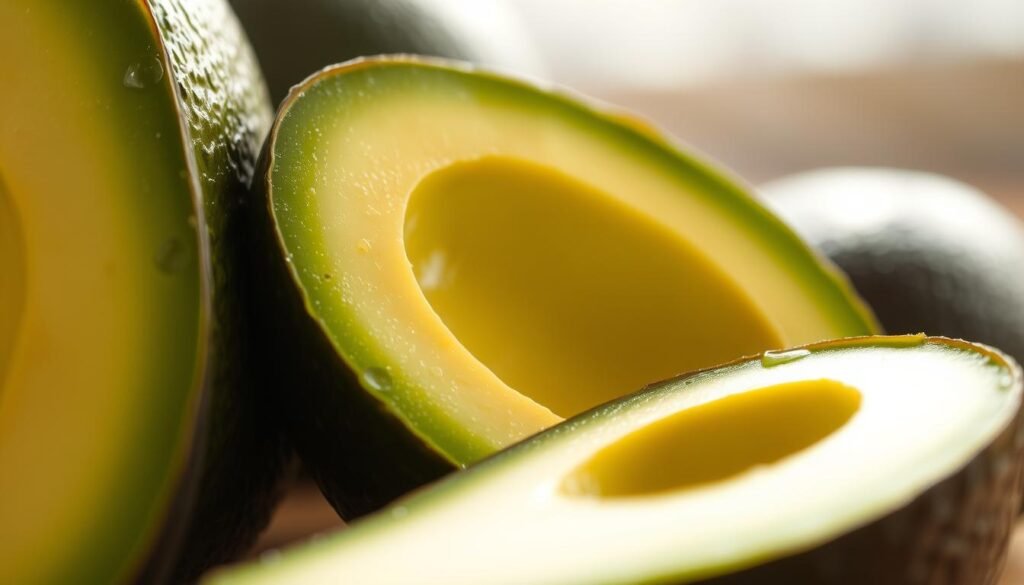
Interestingly, avocados can be paired with unexpected ingredients like octopus in a seafood salad, adding a creamy texture to balance the dish.
Apples: A Classic Favorite
Apples are not just a tasty treat; they’re also packed with nutrients that can boost your overall health. Enjoyed worldwide, apples come in a variety of flavors and textures, making them a versatile fruit for snacking, cooking, and baking.
Health Benefits of Eating Apples
Apples are rich in antioxidants, fiber, and vitamins, making them an excellent choice for a healthy diet. The fiber in apples can help regulate digestion, while the antioxidants may help reduce the risk of chronic diseases. Eating an apple a day can be a simple way to support your overall well-being.
Some of the key health benefits of apples include:
- High in Fiber: Apples contain both soluble and insoluble fiber, aiding in digestion and satiety.
- Antioxidant Properties: Apples are a good source of antioxidants, which can help protect against oxidative stress.
- Boosts Heart Health: The fiber, potassium, and antioxidants in apples may contribute to heart health.
Different Varieties of Apples
With over 7,500 varieties worldwide, apples come in a range of flavors, from sweet to tart, and textures, from crisp to tender. Some popular varieties include Granny Smith, known for their green skin and tart flavor, and Red Delicious, famous for their bright red skin and sweet taste.
| Variety | Description | Best Use |
|---|---|---|
| Granny Smith | Tart flavor, green skin | Baking, cooking |
| Red Delicious | Sweet, bright red skin | Snacking, salads |
| Fuji | Sweet, crisp texture | Snacking, pairing with cheese |
Whether you enjoy apples on their own, paired with oregano for a savory twist, or baked into an oatcake, there’s an apple variety to suit every taste and recipe.
Almonds: A Nutritious Snack
Almonds are a powerhouse of nutrition, making them an excellent choice for those looking for a healthy snack. Rich in essential nutrients, they provide a delicious way to support overall health.
Nutritional Profile
Almonds are an excellent source of healthy fats, protein, and fiber. They are also rich in vitamins and minerals, including vitamin E, magnesium, and potassium. A serving size of about 1 ounce, or 23 almonds, provides 6 grams of protein and 3.5 grams of fiber.
| Nutrient | Amount per Ounce | % Daily Value |
|---|---|---|
| Protein | 6 grams | 12% |
| Fiber | 3.5 grams | 14% |
| Vitamin E | 7.3 mg | 49% |
Just like an orange is rich in vitamin C, almonds are a good source of vitamin E, an antioxidant that supports skin health and immune function.
Creative Almond-Based Recipes
Almonds can be enjoyed in a variety of ways, from snacking on them raw to incorporating them into meals. Try adding sliced almonds to your oatmeal or yogurt, or blend them into a smoothie for added creaminess. Almonds can also be used in savory dishes, such as stir-fries with vegetables and a splash of oyster sauce for added depth of flavor.

For a tasty and healthy snack, consider making almond-based energy balls by mixing ground almonds with honey and shaping into bite-sized balls. These make for a convenient snack on the go.
Artichokes: Unique and Nutritious
Artichokes are not only a tasty vegetable but also a powerhouse of antioxidants and other essential nutrients. Like okra, they are a nutrient-dense food that can add variety to your meals. Whether you’re looking to incorporate more vegetables into your diet or simply want to try something new, artichokes are an excellent choice.
Health Benefits of Artichokes
Artichokes are rich in antioxidants, fiber, and vitamins, making them a great addition to a healthy diet. Some of the key health benefits of artichokes include:
- High in Antioxidants: Artichokes contain a significant amount of antioxidants, which help protect cells from damage and reduce inflammation.
- Rich in Fiber: With their high fiber content, artichokes can support digestive health and help manage blood sugar levels.
- Good Source of Vitamins: Artichokes are a good source of vitamins C and K, among others, contributing to overall health and well-being.
Like olives, artichokes are a Mediterranean staple that can be enjoyed in various dishes, from salads to main courses. Their unique flavor enhances the culinary experience while providing nutritional benefits.
How to Prepare Artichokes
Preparing artichokes can seem intimidating, but it’s quite straightforward. Here’s a simple guide to get you started:
- Rinse the artichokes under cold water, then pat them dry with a paper towel.
- Trim the stem and remove the tough outer leaves.
- Cut off the top quarter of the artichoke and scoop out the choke if it’s fully mature.
- Place the artichokes in a pot of boiling, salted water, or steam them until tender.
- Serve with your favorite dipping sauce, such as olive oil and lemon juice.
Artichokes can be enjoyed in a variety of ways, from being a main ingredient in a dish to adding a unique flavor to your favorite recipes. Experiment with different preparations to find your favorite way to enjoy artichokes.
Asparagus: A Spring Delight
With its tender shoots and vibrant green color, asparagus is a delightful addition to spring meals. Asparagus is not only a treat for the taste buds but also packs a nutritional punch, making it a great choice for health-conscious individuals.
Nutritional Value of Asparagus
Asparagus is low in calories and rich in vitamins and minerals. It’s an excellent source of vitamin C, vitamin K, and folate. Asparagus also contains antioxidants that help protect cells from damage.
| Nutrient | Amount per 100g | % Daily Value |
|---|---|---|
| Calories | 20 | 1% |
| Vitamin C | 5.6 mg | 9% |
| Vitamin K | 41.4 mcg | 51% |
Recipes Featuring Asparagus
Asparagus can be enjoyed in a variety of dishes, from simple steamed sides to complex main courses. Try pairing it with onion and oregano for a flavorful twist. Here’s a simple recipe to get you started:
- Grilled Asparagus with Lemon: Brush asparagus with olive oil, season with salt and pepper, and grill until tender. Serve with a squeeze of lemon.
- Asparagus and Onion Risotto: Sauté chopped onion in olive oil, then add Arborio rice and cook until lightly toasted. Gradually add vegetable broth, stirring constantly, and finish with grated Parmesan and blanched asparagus.

Apricots: The Sweet Summer Fruit
Enjoying apricots in summer is a great way to savor their sweetness and nutritional benefits. Apricots are rich in vitamins and antioxidants, making them a healthy addition to various meals.
Health Benefits of Apricots
Apricots are an excellent source of vitamin A, which is crucial for maintaining healthy vision, immune function, and skin health. They are also rich in dietary fiber, which aids in digestion and helps prevent constipation.
The antioxidants in apricots, such as beta-carotene, help protect the body against free radicals, potentially reducing the risk of chronic diseases like heart disease and cancer.
Delicious Apricot Dishes
Apricots can be enjoyed in a variety of dishes, from sweet treats to savory meals. One delicious way to enjoy apricots is by incorporating them into baked goods, such as an apricot oatcake, which combines the sweetness of apricots with the heartiness of oats.
For a unique breakfast, consider making an apricot omelette. The sweetness of the apricots pairs surprisingly well with the savory flavor of eggs, creating a delightful and nutritious start to the day.
Apricots can also be enjoyed fresh, dried, or cooked in jams and preserves. They add a sweet and tangy flavor to salads, yogurt, and oatmeal. Experimenting with apricots in different recipes can lead to discovering new favorite dishes.
- Add sliced apricots to your morning cereal or oatmeal for added nutrition and flavor.
- Use dried apricots in trail mix or as a healthy snack on their own.
- Incorporate apricots into savory dishes like tagines or stews for a burst of sweetness.
By incorporating apricots into your diet, you can enjoy their numerous health benefits while exploring a variety of delicious recipes.
Anchovies: A Flavorful Addition
Whether you’re a foodie or a health enthusiast, anchovies are worth exploring. These small, oily fish are not only a great source of nutrition but also add a depth of flavor to various dishes, much like the brininess of an oyster or the complexity of an octopus dish.
Nutritional Facts About Anchovies
Anchovies are rich in omega-3 fatty acids, which are essential for heart health and brain function. They are also a good source of protein, calcium, and vitamin D. Incorporating anchovies into your diet can have several health benefits, including reducing inflammation and improving cardiovascular health.
Nutritional Highlights:
- High in Omega-3 Fatty Acids
- Rich in Protein
- Good Source of Calcium and Vitamin D
| Nutrient | Amount per 100g | % Daily Value |
|---|---|---|
| Omega-3 Fatty Acids | 1.5g | 100% |
| Protein | 20g | 40% |
| Calcium | 230mg | 23% |
Cooking with Anchovies
Anchovies can be used in a variety of dishes, from salads and pasta to pizzas and sauces. They add a salty, umami flavor that enhances the overall taste. When using anchovies, it’s often best to start with a small amount and adjust to taste, as they can be quite potent.

Culinary Tips:
- Use anchovies to add depth to your sauces and soups.
- Mix minced anchovies into salad dressings for an umami boost.
- Top pizzas and pasta dishes with anchovies for a salty kick.
Amaranth: The Ancient Grain
For centuries, amaranth has been a vital part of traditional diets, offering a wealth of nutritional benefits. This ancient grain has been a staple in many cultures, particularly in Latin America, where it has been used in various culinary delights. Today, amaranth is gaining popularity worldwide for its impressive nutritional profile and versatility in cooking.
Nutritional Benefits
Amaranth is a nutrient-dense food, rich in protein, fiber, and various minerals. It is an excellent source of manganese, magnesium, and iron, making it a great addition to a balanced diet. The grain is also high in antioxidants, which help protect against oxidative stress and inflammation.
The nutritional benefits of amaranth can be summarized in the following table:
| Nutrient | Amount per 1 cup cooked | % Daily Value |
|---|---|---|
| Protein | 9g | 18% |
| Fiber | 5g | 20% |
| Manganese | 1.3mg | 65% |
Delicious Amaranth Recipes
Amaranth can be incorporated into a variety of dishes, from breakfast porridges to salads and side dishes. Here are a few ideas to get you started:
- Amaranth porridge with fresh fruits and nuts
- Salads featuring amaranth, mixed greens, and a citrus vinaigrette
- Stuffed bell peppers with amaranth, olive oil, and herbs like oregano
Experimenting with amaranth can add a new dimension to your meals, providing not only nutritional benefits but also a unique flavor and texture.
Aromatic Herbs Starting with A
Exploring aromatic herbs that start with A reveals a diverse range of flavors and uses in cooking. These herbs are not just limited to adding flavor; they also bring numerous health benefits and aromatic properties to dishes.
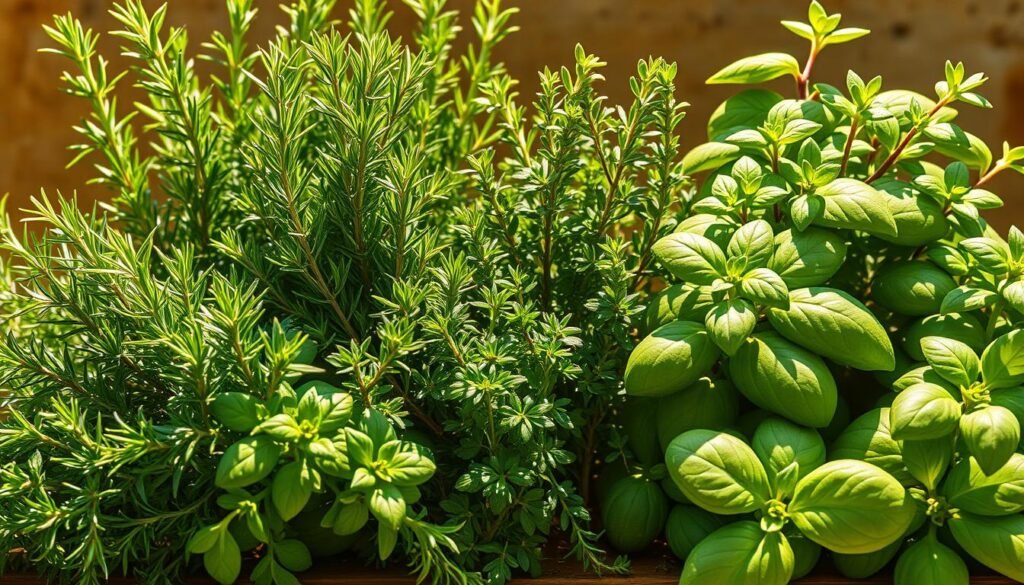
All-Purpose Herbs: Basil and Oregano
Basil is a staple in many cuisines, particularly in Italian and Thai cooking. Its sweet and slightly spicy flavor makes it a versatile ingredient in sauces, salads, and as a garnish. Oregano, on the other hand, is known for its pungent, earthy flavor and is commonly used in Mediterranean dishes, pairing well with ingredients like onion and okra.
Both basil and oregano are rich in antioxidants and have been used for their medicinal properties. They can be used fresh or dried, depending on the recipe, and are essential in many traditional dishes.
The Unique Flavors of Anise and Asafoetida
Anise is known for its distinct licorice flavor and is often used in baking and desserts. It pairs well with sweet ingredients and is a key component in many traditional sweets and drinks.
Asafoetida, also known as hing, has a strong, pungent flavor and is used in small quantities to add depth to dishes, particularly in Indian cuisine. It is known for its digestive benefits and is often used in vegetarian and vegan recipes.
These aromatic herbs starting with A not only enhance the flavor of dishes but also contribute to their nutritional value. Incorporating them into your cooking can elevate your meals and provide a range of health benefits.
Conclusion: The Abundance of Foods That Start with A
Exploring the world of food that starts with A reveals a diverse and vibrant culinary landscape. From the creamy texture of avocado to the sweetness of apricots and the crunch of almonds, there’s a wealth of options to discover.
Embracing this diversity can lead to a more exciting and nutritious diet. Incorporating foods like oatmeal into your breakfast routine or adding a burst of citrus with orange slices can enhance your meals. The variety of foods starting with A ensures that there’s something for every taste and preference.
Diverse Options for Every Palate
The foods starting with A discussed in this article showcase the range of flavors and textures available. Whether you’re in the mood for something savory like artichokes or anchovies, or sweet like apples and apricots, there’s an A food to satisfy your cravings.
Exploring New Flavors
We encourage you to continue exploring the world of foods that start with A. Try incorporating new ingredients like amaranth or aromatic herbs into your recipes to add depth and variety to your cooking. With so many options available, you’re sure to discover new favorites and enjoy the benefits of a diverse and nutritious diet.
FAQ
What are some popular foods that start with the letter O?
Some popular foods that start with O include oatmeal, okra, omelette, orange, oyster, octopus, onion, olive, and oregano.
What are the health benefits of oatmeal?
Oatmeal is high in fiber, which can help lower cholesterol levels and promote digestive health. It’s also a good source of antioxidants and can help with weight management.
How do I cook okra?
Okra can be cooked in a variety of ways, including frying, boiling, and grilling. It’s often used in soups, stews, and stir-fries.
What are some creative ways to use oregano in cooking?
Oregano is a versatile herb that can be used in a variety of dishes, including pizza, pasta sauces, and salad dressings. It pairs well with olive oil, garlic, and lemon juice.
Are oysters a healthy food option?
Yes, oysters are a nutritious food that is high in protein, vitamins, and minerals. They’re also a good source of omega-3 fatty acids.
How do I prepare octopus for cooking?
To prepare octopus, it’s typically cleaned and cut into smaller pieces. It can then be cooked using a variety of methods, including grilling, sautéing, or boiling.
What are some ways to incorporate olives into my diet?
Olives can be enjoyed on their own as a snack, or used in a variety of dishes, including salads, pasta sauces, and tapenades.
Can I grow my own oregano at home?
Yes, oregano is a relatively easy herb to grow at home. It prefers well-drained soil and full sun, making it a great addition to many gardens.